
Divorce still surprises a lot of men, even though the pattern has been consistent for years. In the U.S., women initiate roughly 70% of divorces, and that number isn’t random. It’s tied to daily habits, expectations, and long-term dynamics that build quietly over time. Most divorces don’t start with one big blowup; they start with years of small disconnects. This article isn’t about blaming men or defending women. It’s about understanding why women are more likely to pull the trigger when a marriage stops working.
Unequal Work at Home Wears People Down
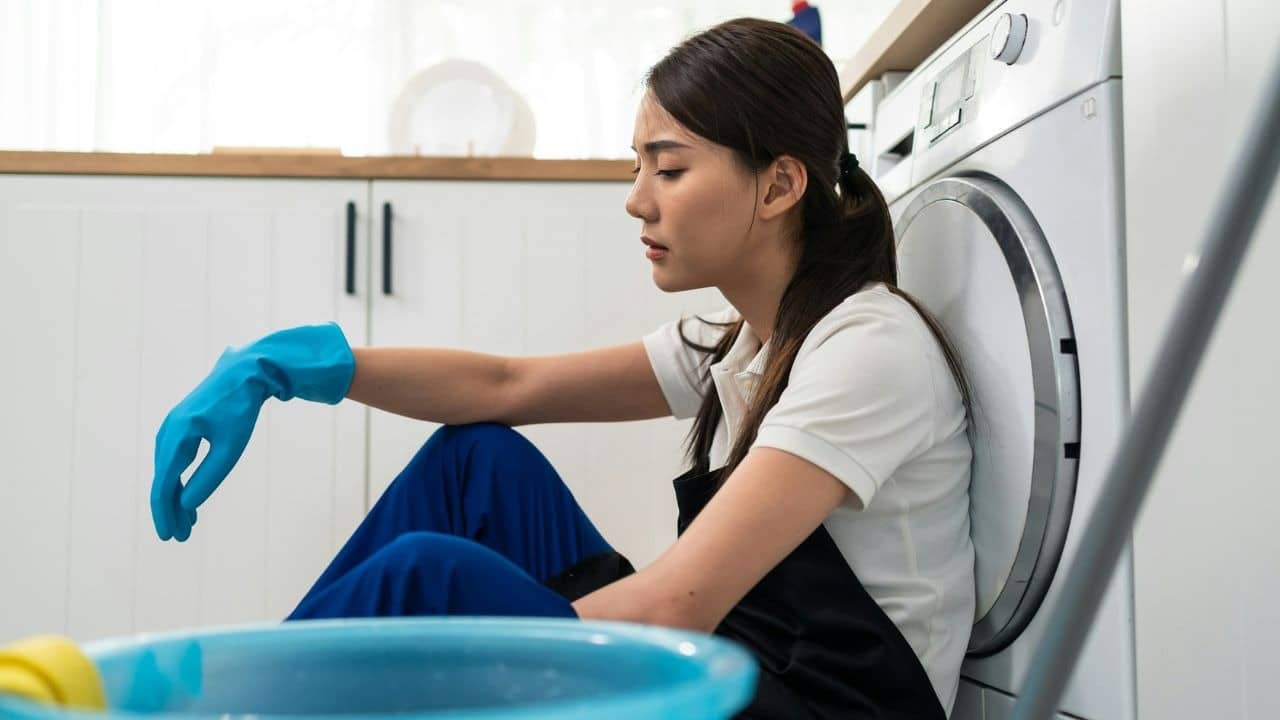
Many marriages still run on an unspoken setup where household work falls mostly on the wife. That includes cooking, cleaning, childcare, scheduling, and remembering everything. Even when both spouses work full-time, the split often isn’t close to even. Over time, that imbalance turns into exhaustion and resentment. It’s hard to feel romantic toward someone who feels like another responsibility.
The Mental Load Usually Isn’t Shared
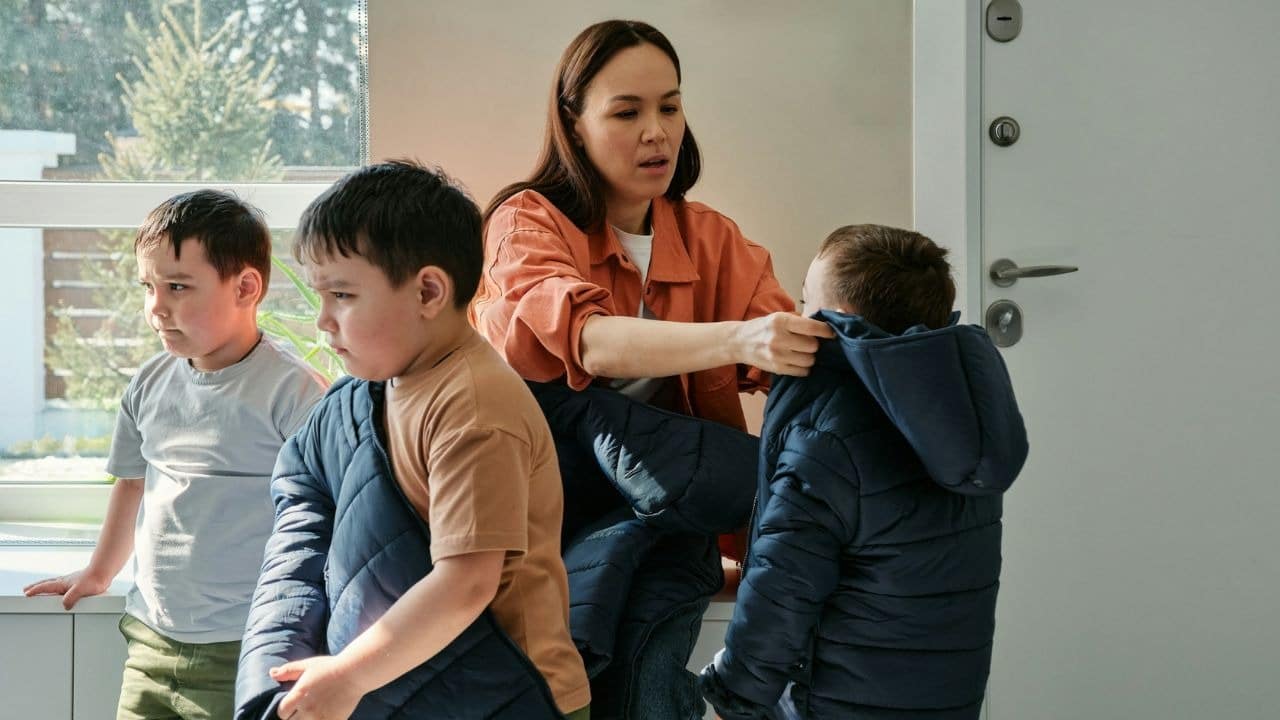
Beyond physical chores, someone has to keep track of everything. School forms, doctor appointments, birthdays, groceries, and emotional temperature checks don’t manage themselves. In most households, women carry that mental load by default. It’s invisible work, which makes it easy to underestimate. Feeling like the only adult running the household eventually pushes people toward drastic decisions.
Emotional Needs Go Unmet for Too Long

Many women leave marriages because they feel emotionally alone inside them. Conversations become shallow, connection fades, and support dries up. Providing financially doesn’t replace emotional presence, even though it can feel like it should. When emotional needs are ignored long enough, people stop asking for them to be met. That silence usually comes right before the exit.
She Spoke Up, and Nothing Changed

Divorce rarely comes without warnings. Most women talk, complain, suggest counseling, or ask for change long before filing. When those conversations lead to defensiveness or short-lived effort, frustration builds fast. After enough cycles of hope and disappointment, stopping the conversation feels easier than continuing it. By the time paperwork shows up, the decision has usually been made internally.
Financial Independence Changes the Math

Modern marriages operate in a different reality than they did decades ago. Many women can support themselves financially and don’t need to stay married to survive. That independence removes a major reason people once stayed in unhappy relationships. When the choice is between stability and peace, peace becomes a real option. That freedom makes leaving feel possible instead of terrifying.
Chronic Disrespect Isn’t Tolerated Anymore

Verbal put-downs, dismissiveness, controlling behavior, or constant criticism add up fast. What might have been normalized in past generations now stands out clearly as unhealthy. Women are less willing to absorb disrespect indefinitely. Once respect erodes, the relationship usually follows. No amount of history fixes ongoing contempt.
Infidelity Breaks the Foundation

Cheating remains one of the clearest lines in a marriage. Men are still more likely to be unfaithful, and discovery often leads straight to divorce filings. Trust is hard to rebuild once it’s broken, especially when deception is involved. For many women, infidelity answers the question of whether to stay. It’s not drama, it’s damage control.
Being Low on the Priority List Hurts

Work, hobbies, and constant distraction can quietly push a spouse to the margins. Many men don’t notice it happening because nothing feels wrong to them. For the other person, it feels like being optional. Feeling consistently second-place doesn’t inspire loyalty. Over time, it convinces someone they’d rather be alone than ignored.
Feeling Like a Parent Kills Attraction

When one partner takes on a caretaker role, the dynamic shifts fast. Managing basic responsibilities, cleaning up messes, or handling finances alone creates resentment. Attraction doesn’t survive in a parent-child setup. Nobody wants to be married to someone they have to supervise. Leaving becomes a way to reclaim adulthood.
Unhappiness Builds Quietly
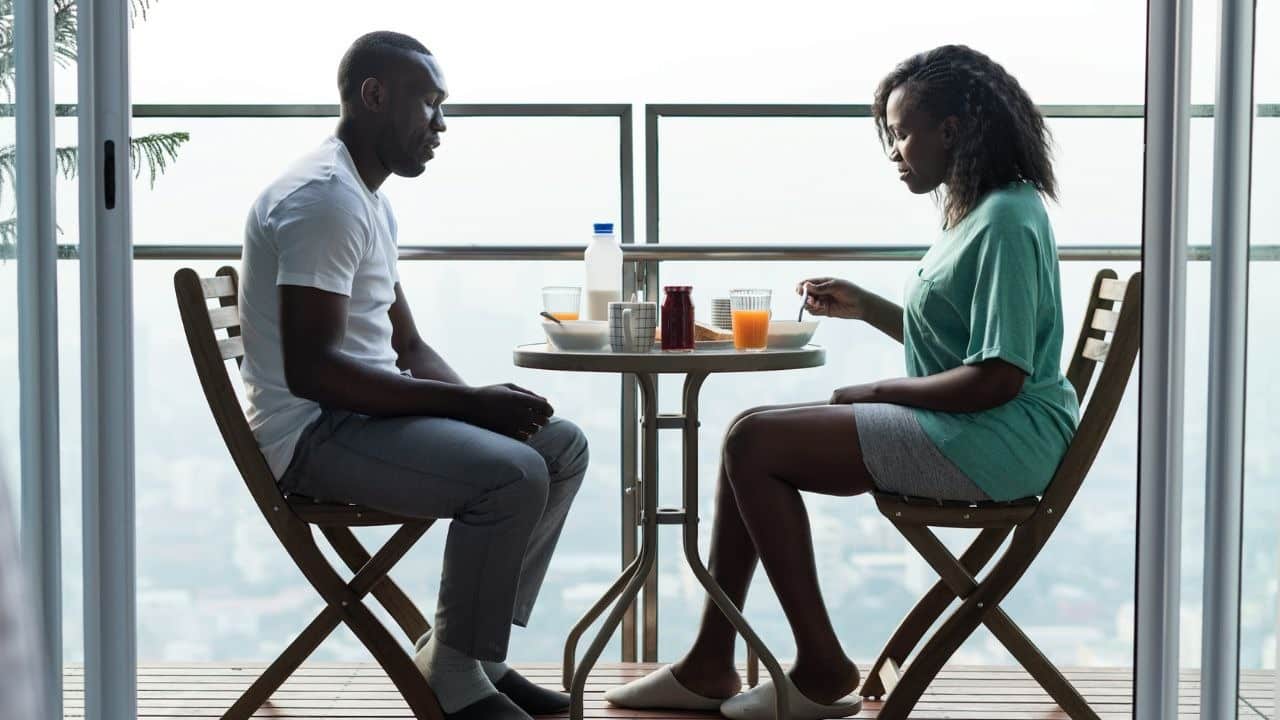
Women often detach emotionally before leaving legally. By the time divorce is mentioned, the emotional exit may be years old. That’s why men often feel blindsided while women feel relieved. The warning signs were there, but subtle. Silence isn’t peace; it’s often resignation.
Friends and Family Reinforce the Decision

Women usually talk about relationship issues with people they trust. Those conversations don’t cause divorce, but they do remove isolation. When multiple people confirm that something isn’t healthy, doubt shrinks. Support makes action easier. Very few people leave a marriage feeling completely alone.
Custody Outcomes Reduce the Fear

In the U.S., mothers are far more likely to retain primary custody. That reality matters when considering divorce. Knowing they won’t lose daily life with their children removes a major barrier. For many women, staying in a bad marriage feels worse than restructuring family life. Practical outcomes shape emotional decisions.
Being Alone Isn’t as Frightening

Single women often report better social support and lower loneliness than single men. That changes how divorce feels on a personal level. The fear of isolation doesn’t carry the same weight. If marriage already feels lonely, leaving doesn’t feel like a downgrade. Sometimes it feels like relief.
Men Often Benefit More from Marriage

Research consistently shows marriage improves men’s health and life stability more than women’s. That gap creates blind spots. A husband may feel satisfied while his wife feels depleted. When the benefits are uneven, tolerance for problems drops. Leaving can feel like a fair trade.
Growth Paths Drift Apart

People change, especially in long marriages. When one person grows and the other resists change, tension builds. Women are less likely to accept stagnation as a permanent state. Feeling held back breeds resentment quickly. Divorce becomes a way to move forward instead of staying stuck.
Equality Is Expected, Not Optional

Modern marriages expect shared decision-making and shared responsibility. When old-school roles linger, friction follows. Being dismissed or overruled chips away at respect. Equality isn’t a talking point; it’s a daily practice. Without it, commitment weakens.
Providing Isn’t the Whole Job

Being a reliable provider still matters, but it’s no longer enough by itself. Emotional availability, involvement at home, and partnership matter just as much. Many men overinvest in work and underinvest in presence. That trade-off feels logical until it costs the relationship. Paychecks don’t replace connection.
Feeling Taken for Granted Ends Things

Appreciation matters more than people admit. When effort goes unnoticed, motivation disappears. Over time, gratitude dries up and resentment takes its place. No one wants to feel invisible in their own marriage. Leaving becomes a way to feel valued again.








Ask Me Anything