
Most resentment is not born from one huge betrayal. It grows from unanswered “what if” questions that keep getting postponed. Couples often assume love will cover the gaps, until real life exposes them. The danger is not the question itself, but the silence around it. Unspoken fears turn into quiet scorekeeping. Then the marriage feels tense even when nobody is fighting. These are the “what ifs” people avoid because they feel awkward—until ignoring them becomes expensive.
What if one person changes faster than the other?

Growth is healthy, but uneven growth creates distance. One person may develop emotionally, spiritually, or professionally while the other stays the same. That mismatch can turn admiration into frustration. The growing partner feels held back, while the other feels judged. Without conversation, the gap becomes a story: “You’re not coming with me.” Resentment forms when progress becomes lonely.
What if “helping” becomes one person’s permanent job?

Many marriages start equal, then slowly drift into one-sided effort. One person becomes the planner, fixer, and emotional stabiliser. The other becomes the receiver and “I didn’t know” partner. The imbalance usually builds quietly through habits, not intention. Over time, the helper feels used instead of loved. Resentment hits when support turns into obligation.
What if bedroom activity becomes a bargaining chip?
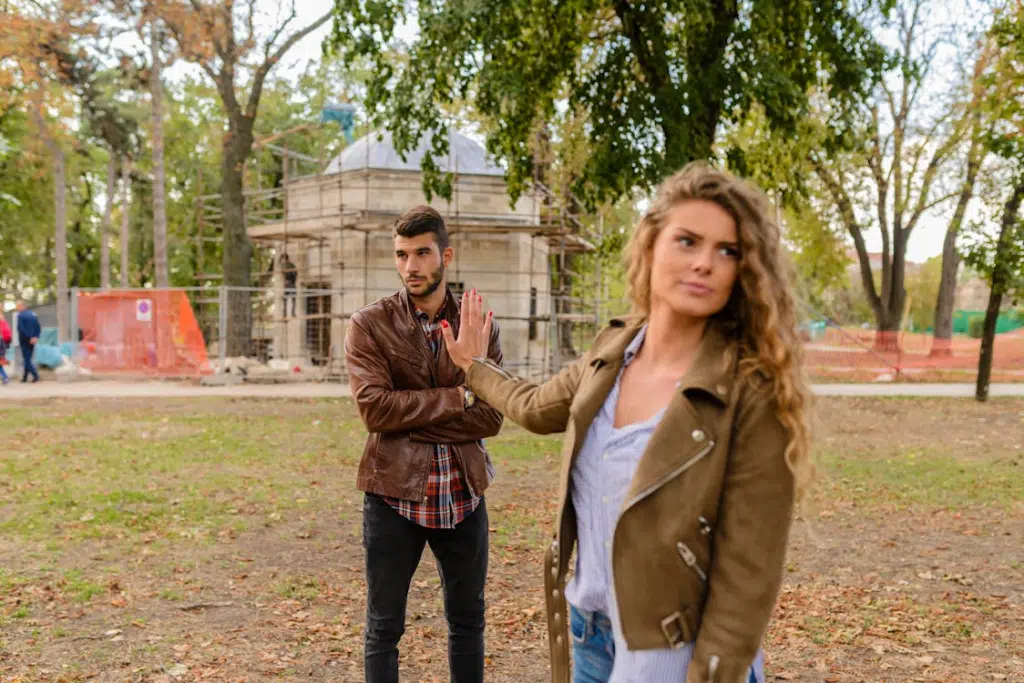
When intimacy becomes conditional, it stops feeling safe. Bedroom intimacy can get tied to chores, moods, or power struggles. That creates pressure for one partner and resentment for the other. Desire does not survive when it is treated like currency. Avoiding the topic makes it worse because assumptions fill the gap. Resentment forms when intimacy becomes leverage instead of connection.
What if “we’re fine” is really avoidance?

Some couples use peace as proof of health, even when issues are buried. They do not fight, but they also do not resolve anything. Problems get stored, not solved. The marriage looks calm, but feels emotionally distant. Over time, both partners stop sharing real thoughts. Resentment grows when silence replaces honesty.
What if one partner’s family becomes the third person in the marriage?

In-laws and extended family can add support or constant stress. If one partner cannot set boundaries, the marriage becomes a negotiation with outsiders. This includes advice, criticism, money pressure, or loyalty tests. The other partner starts feeling like an outsider in their own home. Resentment grows when partnership feels secondary. A marriage needs a clear “us” to survive.
What if money becomes a control tool instead of a team tool?

Financial tension is rarely just about income. It is often about secrecy, power, or unequal decision-making. One partner may spend freely while the other carries anxiety. Or one partner may use money to dictate choices. Avoiding money talk creates fear and assumptions. Resentment forms when finances feel unsafe. Team money requires transparency and shared planning.
What if kids become the relationship’s excuse to stop trying?

Parenting can shift energy away from the couple, but it should not erase the couple. Some marriages turn into a household partnership only. Dates disappear, affection fades, and the couple stops being curious about each other. Years pass and they wonder why they feel like strangers. Resentment grows when effort goes only to the children. A strong marriage protects the family long-term.
What if one partner becomes chronically “checked out”?

A partner can be physically present but emotionally gone. They may escape into work, screens, hobbies, or constant distraction. This leaves the other person lonely even while married. Asking for connection starts feeling like begging. The checked-out partner often calls it stress, but the effect is abandonment. Resentment grows when loneliness becomes normal. Emotional absence is still absence.
What if “I’m just tired” becomes the default answer to everything?

Everyone gets tired, but chronic low effort changes the marriage climate. When tiredness becomes a shield, nothing improves. The other partner starts doing more to compensate, which breeds resentment. It also makes attraction harder because partnership feels unequal. Eventually, tired becomes a personality instead of a season. Resentment forms when excuses replace solutions. Fatigue needs care, not denial.
What if respect slowly fades even without big fights?

Respect can die through tone, sarcasm, eye-rolls, and dismissal. It does not require screaming to be damaging. Many couples normalise small contempt until it becomes the culture. Once respect drops, love feels unsafe and attraction weakens. People stop assuming good intent. Resentment grows when everyday interactions feel degrading. Respect is not optional in marriage.
What if one partner always “wins” disagreements?

When someone must win, the marriage loses. The other partner learns that honesty will be punished by conflict or shutdown. Over time, they stop bringing things up and start withdrawing. The “winner” thinks the marriage is peaceful because nothing is said. But silence is often surrender, not agreement. Resentment forms when one voice dominates. Healthy couples solve, not conquer.
What if personal health becomes neglected until it affects the relationship?

Health is not only physical; it includes mental, emotional, and lifestyle choices. Poor sleep, stress, addiction patterns, or ignoring medical issues can change personality and patience. The partner often becomes caretaker, which kills romance. Neglect creates preventable crises and constant strain. Resentment grows when avoidable problems become shared burdens. Health habits are relationship habits.
What if ambition creates two separate lives?

Work and goals can enrich a marriage, but they can also divide it. One partner may prioritise career growth while the other carries home life. Or both may chase goals and stop building shared time. The relationship becomes a side project instead of the main partnership. Then both feel unsupported in different ways. Resentment grows when success replaces connection. Shared vision matters more than busy schedules.
What if loyalty becomes assumed, not protected?

Many couples assume loyalty is automatic once married. But loyalty is maintained through boundaries, honesty, and avoiding emotional drift. Small behaviours like secrecy, flirty “harmless” interactions, or private venting to outsiders can erode trust. Betrayal often starts as a slow boundary leak, not a sudden affair. Resentment grows when trust feels fragile. Trust requires protection, not complacency.
What if one person secretly doubts the marriage but stays quiet?

Some partners carry doubts for years because they fear conflict or guilt. They act normal while emotionally detaching. The other partner senses distance but cannot name it. This creates confusion, insecurity, and eventually anger. When the truth finally comes out, it feels like a trap. Resentment grows when reality is hidden. Honesty early is kinder than silence late.
Why Couples Avoid These Questions

These “what ifs” feel threatening because they suggest the marriage is not invincible. People fear that asking will create conflict or reveal incompatibility. Some also assume love should make these issues disappear. But avoiding hard questions does not protect love, it delays clarity. Silence feels safer short-term and costs more long-term. Resentment is often the invoice for avoidance. Difficult talks are often preventative, not destructive.
The Best Time to Ask Is Before You’re Angry

When resentment is high, every question sounds like an accusation. When resentment is low, questions sound like teamwork. Early conversations create options: adjustment, boundaries, new systems, and better expectations. Waiting until someone is exhausted turns the discussion into a crisis. Couples who ask early do not avoid problems, they reduce damage. Small alignment beats big repair. Prevention is the quiet skill of strong marriages.
How to Ask Without Starting a Fight

Use curiosity instead of blame. Ask for shared solutions, not confessions. Keep the focus on patterns and future, not character attacks. Simple prompts work: “What would make this feel fair?” or “What needs to change before it becomes resentment?” Agreements should be specific and measurable, not emotional promises. The goal is clarity, not dominance. When both people feel safe, honesty becomes easier.
Unasked “What Ifs” Become Unspoken Grudges

Marriage does not collapse because questions exist. It collapses because questions get ignored until they become resentment. These “what ifs” are not pessimism, they are maintenance. Couples who face them early create more safety, not less. The goal is not to predict failure, but to prevent slow drift. Honest conversations turn fears into plans. Resentment usually fades when both people stop avoiding the truth.








Ask Me Anything