
Most relationships do not break because of one fight. They change when small hurts stop getting repaired. Repair is what keeps conflict from turning into distance. When both people stop expecting repair, they also stop expecting closeness. The relationship becomes functional, but emotionally thinner. Partners may still live together, talk, and handle responsibilities. But warmth becomes inconsistent, and trust becomes fragile. This shift often looks like “peace,” but it is actually resignation. These reasons show how relationships change when repair is no longer part of the culture.
The End of Safety: When “Talking It Out” Stops Working

Repair requires trust that honesty will not be punished. When that trust fades, people stop taking emotional risks. They speak less, share less, and ask for less. Eventually, the relationship becomes quieter, but not closer. Both partners adapt by lowering expectations. Lower expectations reduce conflict, but also reduce intimacy. Over time, this creates emotional loneliness inside the relationship. The first major change is the loss of safety. Without safety, repair becomes unlikely.
Conflicts Stop Being About the Issue and Start Being About Power

When repair feels impossible, conflict becomes less productive. Partners argue to win or protect themselves rather than solve problems. This shifts the relationship into a defensive posture. Each person becomes more concerned with being right than being close. The original issue gets buried under tone, history, and resentment. Over time, conversations feel like battles instead of teamwork. That makes future repair even harder. Power struggles replace partnership. Once that happens, conflict stops being useful.
Apologies Start Feeling Meaningless

When repair is no longer expected, apologies lose weight. “Sorry” starts sounding like noise rather than change. Partners stop believing words because behavior stays the same. This creates cynicism and emotional fatigue. The person who apologizes may feel hopeless, and the person receiving it may feel numb. Eventually, no one asks for accountability because it feels pointless. Without accountability, problems repeat. Repetition builds resentment quickly. Meaningful apologies require belief in change.
The Relationship Shifts From “Us” to “Me”

Repair is what restores the team mindset. Without it, each person starts operating like an individual managing risk. They prioritize self-protection over connection. The relationship becomes more transactional: who does what, who owes what, who is at fault. This reduces generosity and warmth. People stop giving the benefit of the doubt. Trust becomes conditional. Conditional trust creates distance. Distance makes repair feel even less realistic.
Emotional Bids Stop Getting Answered

Healthy couples respond to small bids for connection: a story, a joke, a sigh, a request for attention. When repair dies, bids start getting ignored or dismissed. One partner reaches out, the other stays neutral. Over time, the reaching partner stops trying. This creates a quiet collapse of intimacy. Many couples do not notice it until it feels too late. Love often fades through missed moments, not dramatic fights. Bids are the daily glue of connection. Without responses, the bond weakens.
Effort Becomes Conditional and Minimal

When repair is not expected, effort becomes guarded. People stop doing extras because they fear it will not be appreciated. They also fear being vulnerable. The relationship becomes a baseline of responsibilities only. Romantic gestures feel risky or pointless. Even kindness can feel unsafe because it is interpreted as weakness. This creates a cold, neutral atmosphere. Neutral relationships often feel lonely. Minimal effort becomes the new normal. Once effort drops, reconnection becomes harder.
Trust Turns Into Surveillance or Silence

When repair disappears, trust does not just fade, it changes form. Some people respond by monitoring, checking, or interrogating. Others respond by giving up and going silent. Both are signs that trust is no longer stable. Surveillance creates tension and resentment. Silence creates emotional distance and confusion. Neither builds closeness. Trust needs repair to recover after damage. Without repair, trust becomes a defensive strategy. Defensive trust is not real trust. It is self-protection.
Emotional Intimacy Gets Replaced by Routine

Routine can be healthy, but it becomes a problem when it replaces emotional connection. Couples still function: bills, chores, schedules, parenting. But the relationship becomes all logistics. There is less sharing, less affection, and fewer meaningful conversations. Partners can live in the same home and still feel emotionally separate. This is one of the most common outcomes when repair disappears. It is also one of the hardest to explain to outsiders. The relationship “looks fine,” but it feels empty. Routine becomes a shield from emotion.
The “Unspoken Rules” Start Controlling Everything

When repair stops, couples often develop silent rules. Certain topics become off-limits. Certain feelings become unacceptable. Certain needs become “too much.” These rules are not discussed, but they are enforced through reactions and withdrawal. Over time, both partners become careful and guarded. Guarded relationships lose spontaneity and play. People start editing themselves constantly. Editing creates emotional distance. Emotional distance kills closeness. Silent rules create a smaller relationship.
Resentment Becomes the Default Emotional Climate

Unrepaired conflict turns into stored resentment. Resentment changes how everything is interpreted. A neutral comment feels like criticism. A simple request feels like control. Partners assume bad intent because they are emotionally tired. This creates a negative cycle where even good moments feel fragile. Resentment also reduces generosity and empathy. It becomes harder to give grace. When resentment is the baseline, kindness feels suspicious. That suspicion blocks repair. A resentful relationship becomes emotionally heavy.
Affection Starts Feeling Awkward or Unsafe
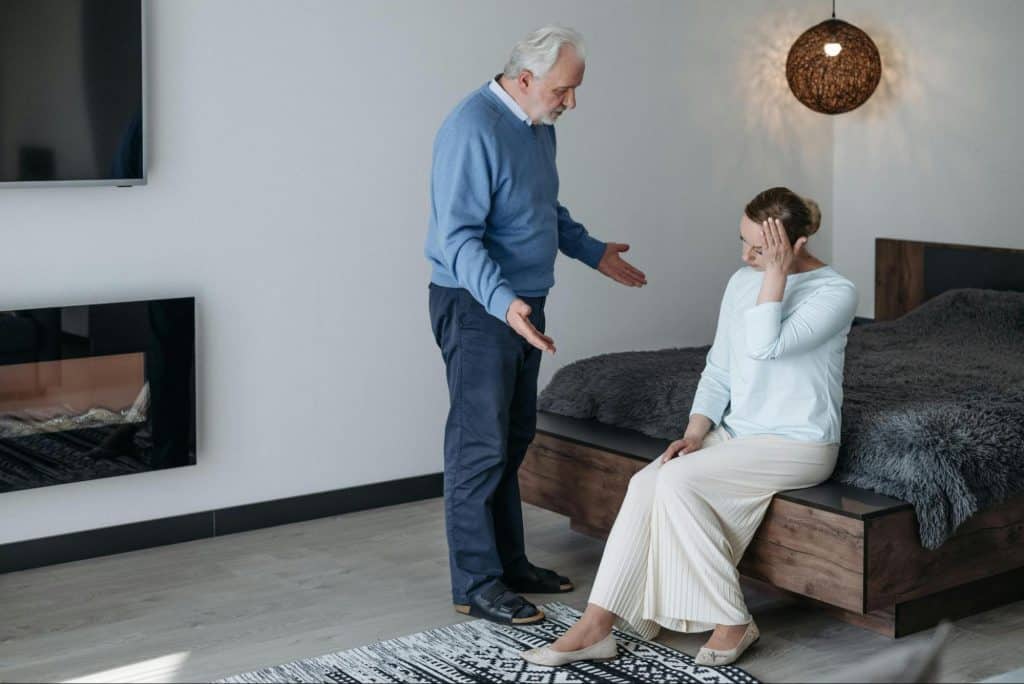
When repair is not expected, affection can feel confusing. Physical touch may feel forced or risky. Compliments may feel empty or manipulative. Partners may avoid affection to avoid mixed signals. This creates a colder dynamic even when attraction still exists. Over time, lack of affection reduces closeness. Reduced closeness makes affection feel even harder to reintroduce. It becomes a self-reinforcing cycle. Many couples lose warmth because it stops feeling safe to be tender. Tenderness requires trust.
Both People Start Keeping Score

Scorekeeping often appears when fairness feels broken and repair feels impossible. People track who does more, who cares more, who sacrifices more. This turns love into a ledger. A ledger kills generosity. It also keeps conflict alive because every new issue adds to the record. Scorekeeping makes partners feel judged rather than supported. Over time, it turns the relationship into a competition. Competition reduces vulnerability. Without vulnerability, intimacy fades. A team cannot exist when everyone is auditing each other.
Conflict Avoidance Becomes a Lifestyle
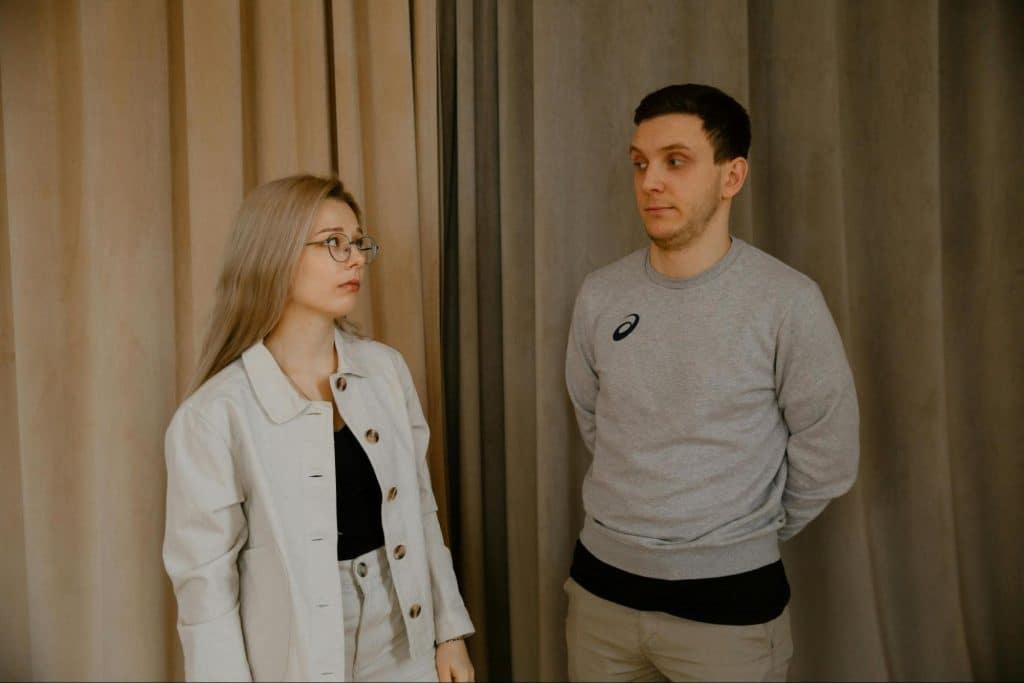
Some couples stop repairing because conflict feels exhausting. They choose avoidance to preserve daily peace. But avoidance does not remove problems; it freezes them. Frozen problems shape the relationship silently. Partners stop bringing up needs. They stop asking for changes. They settle into emotional distance and call it stability. Over time, avoidance becomes identity: “This is just how it is.” That identity blocks improvement. Improvement requires discomfort. Without repair, discomfort never gets used for growth.
One Person Stops Hoping and the Other Stops Noticing

A major shift happens when hope dies. The partner who has tried to repair stops believing it will work. They stop initiating, stop explaining, and stop asking. The other partner may not notice at first because conflict decreases. They interpret the silence as peace. But it is often a resignation. Resignation looks calm but feels empty. Once hope is gone, small improvements do not feel meaningful. Hope is what makes effort feel worth it. Without hope, repair feels pointless.
Outside Life Starts Feeling Better Than Home

When repair is absent, the home becomes emotionally tense or emotionally empty. People start seeking relief elsewhere: work, friends, hobbies, screens, or new validation. This is not always betrayal, but it is disconnection. The relationship stops being the safest place. When outside life feels more rewarding, partners invest less at home. Less investment creates more distance. More distance reduces repair. The cycle becomes self-reinforcing. A relationship needs to feel emotionally rewarding to compete with distractions. Repair is what restores reward.
The Relationship Becomes “Stable,” But Not Secure

Some couples confuse stability with health. They stop fighting, stop discussing problems, and stop expecting change. It looks stable because nothing dramatic happens. But it is not secure because emotional safety is low. Secure relationships can handle tension and repair it. Stable-but-insecure relationships avoid tension and live with distance. This often leads to long-term loneliness. It also makes the relationship fragile under stress. Security comes from repair. Without repair, stability is just quiet dysfunction. Quiet dysfunction still hurts.
People Stop Believing They Are Chosen

Repair communicates, “This matters enough to fix.” When repair stops, people feel less chosen. They feel tolerated rather than valued. That feeling can be subtle, but it changes everything. It reduces desire, effort, and emotional openness. Partners stop reaching because they expect nothing back. That expectation becomes reality. Feeling chosen is one of the deepest relationship needs. Repair is how couples keep choosing each other after mistakes. When choosing stops, the bond weakens. Love can exist, but it feels far away.
Repair Is the Relationship’s Immune System
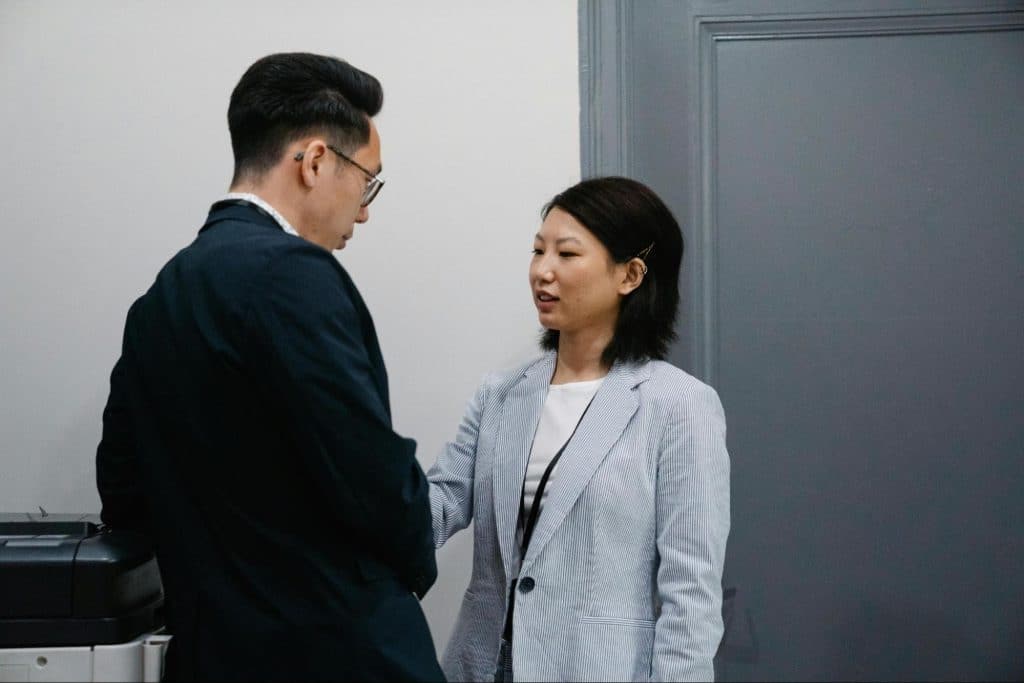
Relationships change when both people stop expecting repair because unrepaired hurt becomes the new normal. The bond shifts from teamwork to self-protection. Emotional bids get ignored, effort becomes minimal, and intimacy turns into routine. The relationship may look calm, but it often feels lonely. The most important takeaway is that repair is not a luxury. It is how trust, closeness, and safety are maintained over time. Repair does not mean endless talking; it means returning, owning, and adjusting. Couples who repair stay emotionally alive. Couples who stop repairing often drift into quiet distance. When repair returns, hope returns. And when hope returns, connection becomes possible again.








Ask Me Anything