
Prenups are often painted as cold, cynical, or unromantic, when in reality they belong in the same category as insurance and estate planning. You hope you never need them, but you would be reckless to ignore them. Many men avoid the conversation because they fear tension, awkwardness, or being seen as planning for divorce before the wedding even happens. That hesitation is understandable, but silence does not remove risk; it just delays dealing with it. Refusal is not automatically a dealbreaker, yet the reasoning behind it often exposes deeper views about money, responsibility, and partnership that matter far beyond the contract itself.
Avoidance Of Hard Conversations

Marriage forces discussions most couples would rather postpone. Money, debt, assets, family obligations, and long-term goals all land on the table whether you like it or not. When someone refuses a prenup without discussion, it often signals discomfort with adult negotiation. You learn a lot about a partner by how they handle uncomfortable topics. Do they shut down, deflect, or get defensive? If hard conversations are avoided before marriage, they rarely get easier after. A prenup talk becomes an early stress test for communication maturity, and resistance can hint that conflict-resolution skills are still underdeveloped.
Treating Planning As Distrust

Some people interpret a prenup as an accusation rather than preparation. That reaction frames financial structure as emotional betrayal. Yet marriage already involves contracts, from mortgages to joint accounts. Planning does not mean you expect failure; it means you respect reality. If your partner equates asset protection with a lack of love, it shows emotions are steering financial judgment. Healthy partnerships hold space for both trust and structure. When practical planning gets labeled as disloyalty, it becomes difficult to build anything requiring long-term financial coordination.
Entitlement To Future Assets

Refusal sometimes reveals assumptions about shared ownership that have not been earned yet. You might be building businesses, investments, or intellectual property that do not exist today. A prenup defines how future growth is handled. Pushback can signal an expectation of automatic access to whatever you create later. That mindset shifts marriage from a partnership to a claim. It raises a simple question worth asking privately: are they invested in building wealth with you, or are they positioned to benefit from it regardless of their contribution?
Lack Of Risk Awareness
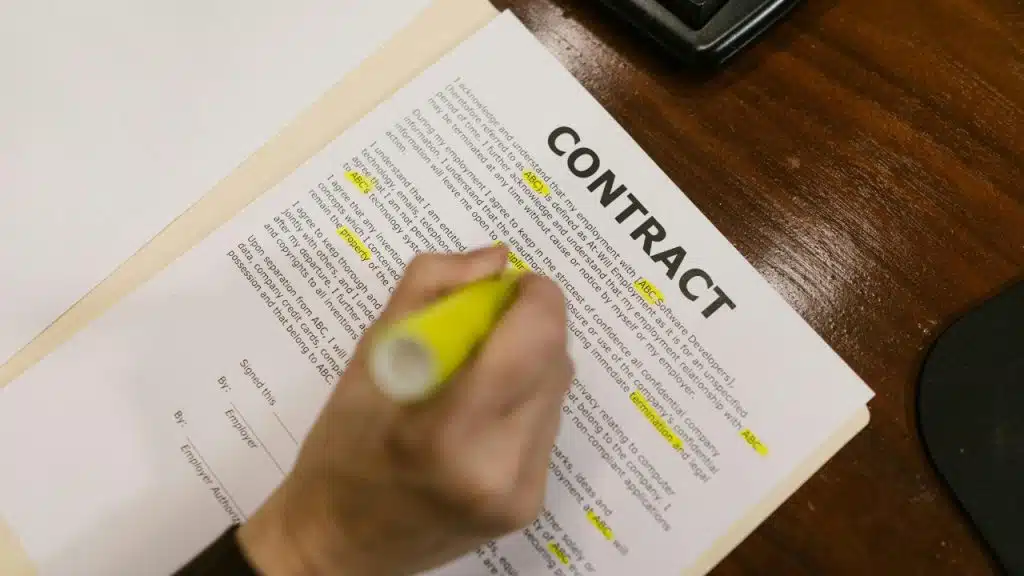
Divorce statistics are not rare or abstract. Legal fees, asset division, and alimony reshape financial lives every year. Ignoring that reality does not make it pessimistic; it makes it uninformed. When someone refuses even basic protection, it often reflects a limited understanding of legal exposure. Professionals ensure income, property, and health because risk exists. Marriage is no different financially. A partner unwilling to acknowledge downside scenarios may also struggle with other forms of planning, from investing to retirement strategy.
Hidden Debt Or Financial Secrets

Strong emotional resistance sometimes masks practical concerns. Debt, tax issues, poor credit, or undisclosed obligations often surface during prenup disclosures. Transparency becomes mandatory when lawyers and documents enter the picture. Refusal can be a way to avoid financial visibility. It is not always deception, but it should prompt curiosity. Financial honesty is foundational to marriage. If full disclosure feels threatening to them, you have to ask what remains unspoken.
Short-Term Thinking

A prenup is future-focused by design. It asks both partners to think 10, 20, or even 30 years ahead. Refusal often keeps the conversation anchored in present emotions. Love today feels strong, so planning for worst-case scenarios feels unnecessary. Yet most major life decisions require long-range thinking. Buying property, starting companies, or having children all involve forecasting risk. A partner unwilling to plan beyond the honeymoon phase may struggle with other long-term responsibilities as well.
Asymmetrical Financial Risk

Not all partners enter marriage with equal exposure. One may hold more assets, have a higher income, or business ownership. Without a prenup, the downside risk is uneven. Courts divide based on law, not personal fairness. Refusal to formalize terms keeps that imbalance in place. You carry more to lose while having less clarity on protection. Balanced partnerships acknowledge uneven starting points and address them directly rather than pretending equality exists where it does not.
Conflict Resolution Test

The prenup discussion is rarely smooth, and that is precisely why it matters. It introduces negotiation, emotional stakes, and legal complexity. Watching how your partner navigates that process is revealing. Do they listen, counter reasonably, and seek mutual comfort? Or escalate, personalize, and threaten withdrawal? Marriage guarantees future disagreements about money, parenting, and lifestyle. The prenup conversation offers an early preview of how those disputes may unfold.
Outside Influence Pressure

Sometimes resistance does not originate from your partner alone. Family members, friends, or even cultural narratives shape their stance. You may hear phrases that sound rehearsed or externally sourced. This raises boundary questions. Who ultimately shapes financial decisions inside your marriage? External voices are unavoidable, but they should not dominate contractual choices. A partner unable to separate outside opinions from internal decision-making may struggle to protect the relationship from external interference later.
Misunderstanding Modern Marriage Economics

Marriage today looks very different from past generations. Dual incomes, remote businesses, stock compensation, and side ventures complicate financial structures. Asset ownership is layered and often digital. A prenup accounts for that complexity. Refusal sometimes reflects outdated views of how money flows inside marriage. If one partner underestimates the financial architecture you are building, alignment becomes difficult. Shared life requires a shared understanding of economic reality.
Strategic Divorce Positioning

While uncomfortable to consider, refusal can occasionally be tactical. Leaving divorce terms undefined benefits the lower asset partner in many jurisdictions. Courts default to a broad division when agreements are absent. That possibility does not mean your partner is planning a divorce, but incentives still exist. Clear agreements remove ambiguity for both sides. Resistance to clarity invites questions about long-term financial intent.
Resistance To Financial Transparency

Prenups require full disclosure from both parties. Assets, liabilities, income streams, and ownership stakes must be documented. That level of openness can feel invasive to someone who is not used to financial accountability. Refusal may signal discomfort with mutual visibility rather than the agreement itself. Transparency is not optional in marriage. If clarity is difficult before the wedding, it rarely improves once finances merge.
Second Marriage Realities

For men entering second marriages, prenups often protect more than personal wealth. Children, inheritance plans, and prior obligations enter the equation. Asset division affects legacy, not just lifestyle. Refusal in this context can signal disregard for preexisting family responsibilities. Protecting children’s financial future is not a lack of commitment; it is a parental duty. Alignment here is essential before remarriage proceeds.
Emotion Over Practical Balance

Love is emotional, but marriage is structural. Strong partnerships respect both dimensions. When someone rejects planning purely on emotional grounds, it shows an imbalance in decision weighting. Feelings matter, yet they cannot carry legal and financial realities alone. You want a partner who can hold affection and pragmatism in the same hand. Resistance suggests discomfort operating in that dual mindset.
Precedent For Future Financial Conflict

How you handle the prenup sets the tone for every financial discussion that follows. Investments, property purchases, business funding, and retirement planning all require agreement. If consensus cannot be reached under calm, pre-marriage conditions, the stakes only rise later. Legal disputes during divorce are far more expensive than negotiations before marriage. Early alignment reduces future friction, both emotionally and financially.








Ask Me Anything