
By the time you’re over 50, marriage doesn’t feel romantic in the abstract anymore. It feels practical, personal, and loaded with history. You’ve lived enough life to know how good companionship can be, and how expensive the wrong decision becomes.
For a lot of men, the idea sits in a gray zone between comfort and risk. This isn’t about fairytales or warnings from people who’ve never done it. It’s about the real reasons marriage after 50 can quietly improve your life, or complicate it in ways you didn’t expect.
Companionship Without the Games

At this stage, companionship tends to be straightforward. There’s less posturing, fewer mind games, and more shared reality. Many men find it grounding to have someone who knows their routines, moods, and history without needing constant explanation. It can make daily life feel steadier, especially after years of doing everything solo. The flip side is that constant presence can feel suffocating if you’ve grown used to your own space.
A Calmer Kind of Love

Love after 50 often shows up without the emotional chaos of earlier decades. People usually know what they want and what they don’t tolerate anymore. That clarity can make relationships feel easier and more respectful. But calm can also slide into complacency if both people stop putting effort in. Stability is good, but boredom still exists at any age.
Less Pressure, More Appreciation

Many men report appreciating marriage more the second time around. You’re not chasing milestones or trying to prove anything. Being chosen later in life can feel validating in a quiet, steady way. At the same time, expectations can still sneak in, especially if one partner sees marriage as a fix for loneliness or dissatisfaction.
No Small Kids, Fewer Chaos Points

Marriage after 50 usually doesn’t involve raising toddlers together. That removes a major stressor that breaks many younger marriages. Time, energy, and money aren’t constantly pulled in ten directions. Still, adult children and ex-spouses can create their own version of chaos, just with better vocabulary.
Shared Life Experience Helps

When both people have lived full lives, there’s often more empathy. Loss, career setbacks, divorce, and aging parents aren’t abstract ideas anymore. That shared understanding can make conflicts easier to navigate. It can also mean both partners bring emotional scars that don’t always stay quiet.
Financial Teamwork Can Be a Win
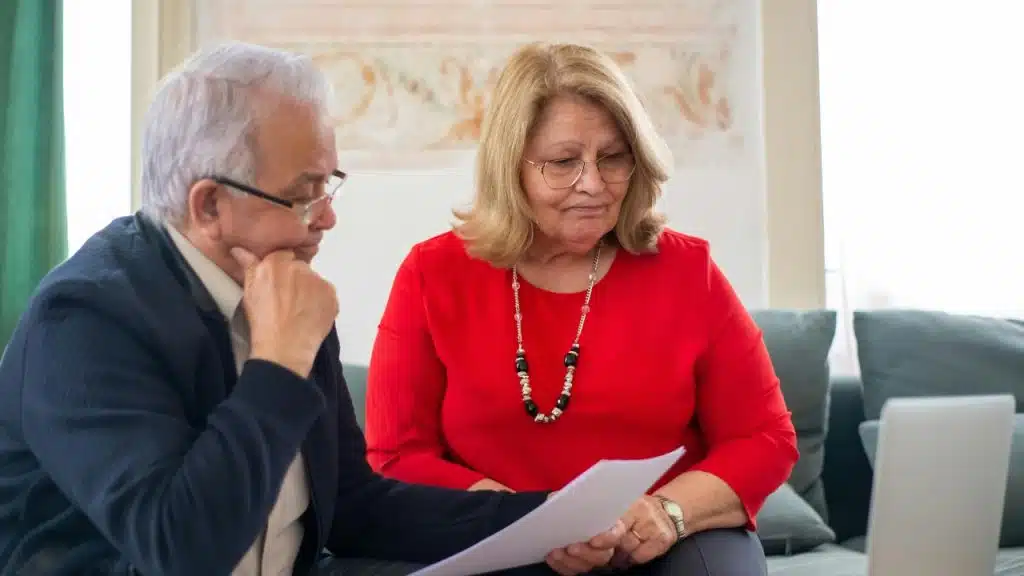
Two established adults can build a strong financial setup together. Shared expenses, combined planning, and mutual backup can reduce stress. It feels good to face retirement or unexpected costs as a team. But finances also become more complex, especially with assets, prenups, or uneven income.
Health Support Matters More Now

Having someone who notices changes in your health matters more in your 50s than it did at 30. A partner can be a quiet accountability system without turning into a drill sergeant. That support can improve quality of life in small but meaningful ways. On the other hand, health issues can shift the relationship dynamic faster than expected.
Life Feels Less Fragmented

Marriage can bring a sense of continuity to daily life. Meals, weekends, and holidays feel less improvised. That structure can be comforting after years of independence. It can also feel restrictive if routines harden into expectations.
Independence Is Hard to Give Up

Living alone for years builds strong habits. Sharing space, time, and decisions isn’t always smooth. Things like TV volume, sleep schedules, or how clean the kitchen should be suddenly matter again. Small compromises add up, and not everyone adjusts easily.
Money Entanglements Are Real

Later-life marriage often involves more financial baggage. Retirement accounts, property, alimony, or prior agreements don’t disappear. Even when both people are responsible, blending finances takes patience and transparency. Ignoring this part is one of the fastest ways to turn marriage into a problem.
Adult Kids Have Opinions
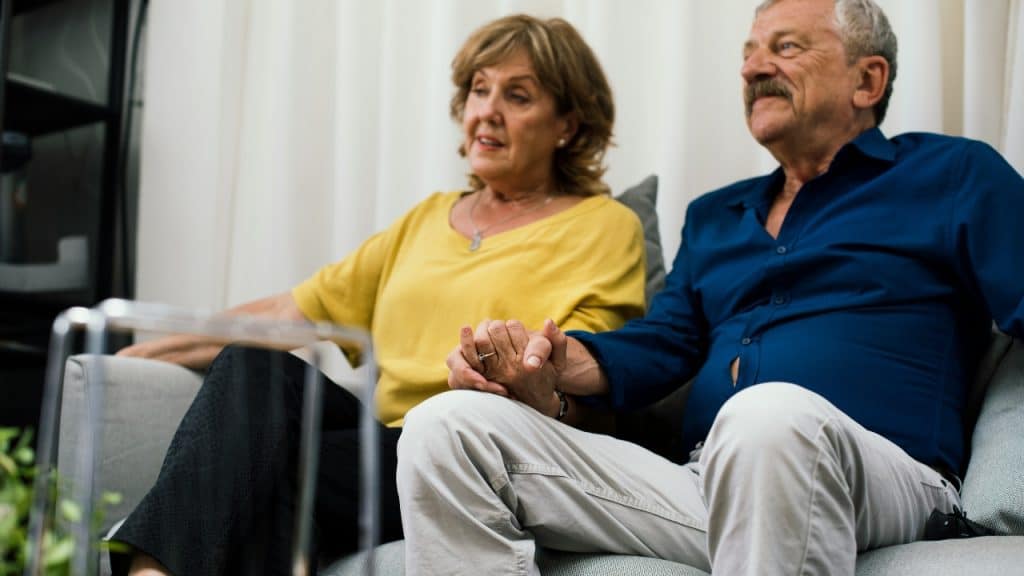
Grown children don’t always celebrate their parent’s remarriage. Concerns about inheritance, loyalty, or family dynamics can create tension. Even supportive kids may struggle with change. Navigating those relationships requires effort that some men underestimate.
Health Can Redefine the Relationship

Illness doesn’t ask for permission. A marriage that starts with shared travel plans can shift into caregiving unexpectedly. Some men find purpose in that role, others feel trapped by it. This reality doesn’t make marriage bad, but it does make it heavier.
Habits Clash More Than Expected

By 50, habits are deeply ingrained. How you relax, socialize, or manage stress may not line up with someone else’s patterns. These differences aren’t dramatic, just persistent. Over time, they can wear down patience if ignored.
Old Wounds Don’t Stay Quiet

Past relationships leave marks. Trust issues, conflict styles, and emotional defenses often resurface under stress. Marriage amplifies unresolved issues rather than fixing them. Without awareness, history starts driving reactions.
Stubbornness Gets Louder With Age

Flexibility doesn’t always improve with experience. Many men are used to making decisions solo and defending them. Marriage requires negotiation, not management. When both people dig in, progress slows fast.
Motivation Matters More Than Timing

Some men marry because they’re afraid of being alone. Others do it because it feels expected. Those reasons don’t age well. Marriage after 50 works best when it’s a choice, not a reaction.
It’s Not a Shortcut to Fulfillment

Marriage can enhance a good life, but it rarely fixes an unsatisfying one. Expectations matter more now because there’s less runway for reinvention. When marriage becomes a solution instead of a partnership, disappointment usually follows.








Ask Me Anything