
Human relationships are rarely shaped by a single moment. Instead, they develop through repeated interactions, everyday reactions, and patterns that form over time. Small emotional responses, habits, and unspoken expectations gradually influence how people connect and communicate. Ego develops in a similar way, shaped by personal experiences, social feedback, and self-perception rather than sudden change.
In romantic relationships, ego can quietly influence emotional pacing, communication style, and comfort with vulnerability. In many situations, partners may notice shifts in tone or behavior before men recognize these changes internally. Exploring these patterns helps explain why certain behaviors are often misunderstood and why awareness supports emotional balance over time.
Ego in Men’s Romantic Relationships

Ego refers to a person’s sense of self, including identity, confidence, and perceived personal value. For many men, ego is closely linked to ideas about competence, reliability, and emotional control. Within romantic relationships, this can influence how emotions are shared or withheld. Reactions may be guided by a desire to protect self-respect rather than to create distance. These responses often occur automatically, without deliberate intent. Over time, ego becomes part of how men approach closeness and emotional exchange.
Ego as a Form of Emotional Self-Protection

Ego often functions as a stabilizing force during emotionally vulnerable moments. For many men, it helps manage uncertainty and emotional exposure. Emotional restraint may provide a sense of control when feelings feel intense or unclear. This behavior usually reflects self-regulation rather than emotional withdrawal. Internal processing often takes priority over outward expression. These protective patterns tend to form gradually through repeated emotional experiences.
Early Social Influences on Male Ego

Social expectations often play a role in shaping ego from an early age. Many men are exposed to messages that emphasize independence, resilience, and emotional strength. Over time, these messages can become closely tied to identity. Emotional restraint may feel natural rather than learned. Romantic relationships can activate these patterns without conscious awareness. The influence of early reinforcement often remains subtle but consistent.
Ego and Emotional Expression in Men
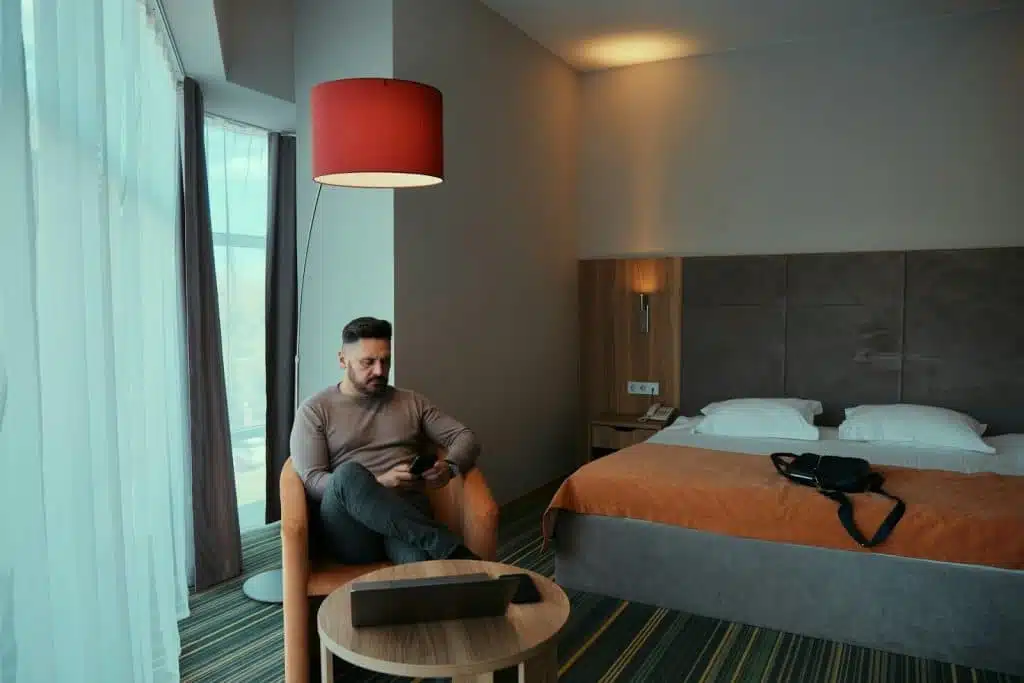
Emotional expression varies widely among men. Ego can influence how comfortable emotional visibility feels. Feelings may be processed internally before being shared, if they are shared at all. This can make emotional engagement harder for others to recognize. Limited expression does not indicate lack of emotion. It reflects a learned approach to managing emotional experience.
Communication Patterns Shaped by Ego

Ego often influences how men communicate within romantic relationships. Some men prioritize control and clarity when discussing emotional topics. Conversations may stay focused on facts rather than feelings. This approach can help maintain emotional balance internally. At the same time, it may limit emotional depth in communication. Partners may interpret this as distance rather than pacing.
Ego and Conflict Response

Conflict situations tend to make ego more visible. Many men respond by trying to resolve issues efficiently or logically. Emotional discussion may feel secondary during disagreement. This can create a mismatch when emotional reassurance is expected. The focus on resolution often reflects discomfort with emotional escalation. Over time, conflict responses can become predictable patterns.
Identity Sensitivity in Romantic Situations

Romantic relationships can activate concerns related to identity. Feedback may feel personal even when not intended that way. Ego may respond by reinforcing boundaries or reducing emotional exposure. This response often happens automatically rather than intentionally. Temporary emotional distance can follow moments of perceived threat. These reactions usually stabilize once emotional safety returns. Identity sensitivity plays a quiet but ongoing role.
Emotional Independence and Ego

Emotional independence is often valued among men. Ego can reinforce the belief that emotions should be managed privately. Support may be expressed through actions rather than verbal reassurance. Needs may be handled internally before being shared. This style can appear distant to partners. In reality, it reflects learned self-management. Emotional presence may exist without visible expression.
Ego and Vulnerability Timing

Vulnerability often develops slowly for men. Ego may delay emotional openness until trust feels established. Early restraint can function as emotional caution. Over time, consistency and reliability support increased sharing. Emotional disclosure tends to follow comfort rather than urgency. This pacing can differ from partner expectations. The difference often reflects style rather than intent.
Social Comparison and Self-Perception

External comparison can influence how men view themselves in relationships. Expectations around roles or performance may affect confidence. Ego may adjust behavior to protect self-image. This can shape responsiveness and emotional engagement. These adjustments are often subtle and unspoken. Over time, comparison influences relationship dynamics. The impact accumulates gradually.
Ego and Romantic Expectations

Expectations about responsibility and contribution often shape behavior. Ego may guide how men define their role within a relationship. Emotional effort may be expressed through consistency or problem-solving. Verbal reassurance may feel less central. This difference can affect perceived balance. Over time, expectations become familiar routines. Patterns stabilize through repetition.
Emotional Distance and Misinterpretation

Ego-driven emotional restraint may be misread as disengagement. Outward calm can mask internal processing. Partners may assume emotional withdrawal has occurred. In many cases, emotions are still present internally. Differences in emotional timelines create misunderstanding. Context helps explain these gaps. Interpretation improves with awareness.
Ego During Relationship Transitions

Transitions often increase emotional uncertainty. Ego may respond by strengthening self-protection. Emotional clarity can fluctuate during these periods. Men may become more reserved temporarily. These changes often reflect adjustment rather than avoidance. Stability tends to return over time. Transitions highlight existing coping patterns.
Feedback Sensitivity in Close Relationships

Feedback can feel amplified in emotionally close settings. Ego may filter how feedback is received. Responses may aim to preserve confidence or self-worth. Tone and timing can shift as a result. Sensitivity varies between individuals. Repeated interactions shape response habits. Over time, feedback patterns become familiar.
Ego and Emotional Responsibility

Men often interpret emotional responsibility differently. Ego may emphasize self-regulation over emotional expression. Support may be shown through reliability or presence. Emotional labor may not always be visible. This can affect how effort is perceived. Differences in expression can create confusion. Understanding styles reduces misinterpretation.
Identity Stability and Relationship Security

A stable sense of identity supports emotional security. As trust grows, ego may soften. Emotional openness often increases gradually. Reduced self-protection allows for deeper connection. Stability develops through repeated emotional safety. Changes tend to occur incrementally. Security reshapes emotional behavior.
External Stress and Ego Activation

External stress can intensify ego-driven responses. Emotional capacity may narrow during pressure. Communication may become more task-focused. Emotional availability may temporarily decrease. This shift often reflects stress rather than relational change. Patterns usually adjust once stress eases. Context remains important.
Awareness of Ego Patterns

Awareness helps make ego-driven patterns easier to recognize. Behavior becomes less personalized when context is understood. Emotional reactions feel less confusing. Awareness supports balanced interpretation. Patterns become clearer over time. Understanding improves emotional clarity. Insight reduces unnecessary conflict.
Ego as a Dynamic Process

Ego is not fixed or permanent. It adapts through experience and emotional feedback. Romantic relationships influence how ego is expressed. Change usually occurs gradually rather than suddenly. Emotional safety encourages flexibility. Patterns evolve with time. Growth remains possible.
Ego in Romantic Dynamics

Ego provides useful context for recurring relationship behaviors. It helps explain emotional pacing and communication style. Viewing behavior through this lens reduces blame. Patterns feel less personal when understood. Awareness supports healthier interpretation. Emotional balance improves with understanding. Insight strengthens relational clarity.








Ask Me Anything