
A husband who feels emotionally safe at home doesn’t just feel relaxed—he shows up differently in every area of his life. Safety at home creates steadiness, confidence, and a quiet sense of belonging that no outside success can replace. It’s not about having a perfect marriage or never arguing; it’s about knowing that home is a place of understanding, repair, and emotional rest.
These signals often go unnoticed because they feel “normal” once they’re present. But when you know what to look for, they’re powerful indicators of a deeply secure partnership.
1. He Speaks Freely Without Bracing for Backlash
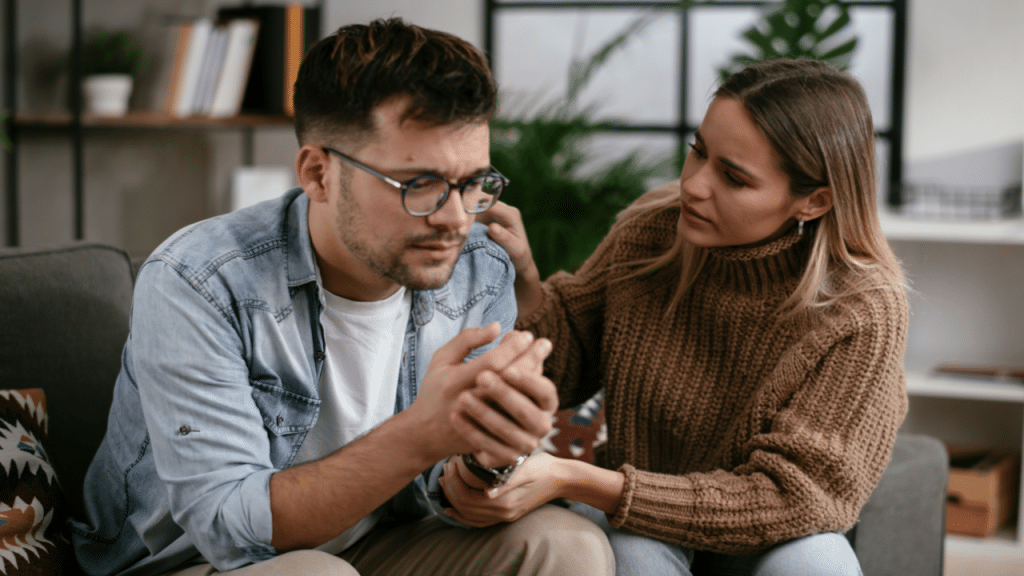
A husband who feels safe doesn’t mentally rehearse every sentence before speaking. He can share half-formed thoughts, concerns, or even mistakes without fearing ridicule or escalation. This doesn’t mean he never filters himself—it means he trusts that his words won’t be used against him later. Over time, this creates more honest conversations and fewer emotional shutdowns. Practical takeaway: respond to vulnerability with curiosity instead of correction, especially in everyday conversations.
2. He Unwinds Quickly When He Gets Home

When home feels safe, his nervous system settles almost immediately. His shoulders drop, his tone softens, and he doesn’t need long decompression rituals to feel okay. This is a strong sign that home isn’t another performance space. If he consistently relaxes within minutes of walking in, it means home feels emotionally predictable. Creating simple, calm arrival routines can reinforce this sense of ease.
3. He Doesn’t Feel the Need to Escape Constantly
Safe husbands enjoy time outside the home—but they don’t need to escape it. Excessive work hours, constant hobbies, or endless scrolling can be signs of avoidance, not ambition. When home feels good, being there isn’t draining. If he chooses to stay in without resentment, it’s because home restores him. Balance independence with warmth so togetherness feels like a choice, not an obligation.
4. He Can Admit When He’s Wrong Without Defensiveness

Emotional safety allows humility. A husband who feels secure can say “I messed up” without immediately protecting his ego. He trusts that accountability won’t turn into character assassination. This keeps conflicts shorter and more productive. The key is separating behavior from identity—address the issue without labeling the person.
5. He Laughs More, Especially at Himself

Laughter is a strong signal of psychological safety. When a husband jokes, teases gently, or laughs at his own flaws, it means he doesn’t feel constantly judged. Humor thrives where there’s emotional breathing room. Couples who laugh together also recover from conflict faster. Protect playfulness—it’s not trivial, it’s stabilizing.
6. He Initiates Physical Affection Naturally

Safe husbands don’t overthink touch. They initiate hugs, casual contact, or closeness without worrying about rejection or mixed signals. Physical affection becomes a language of comfort, not negotiation. When affection flows both ways, it reinforces emotional trust. Even small gestures—like a hand on the shoulder—build this safety daily.
7. He Shares Stress Without Fear of Burdening You
A husband who feels safe doesn’t hide stress to “stay strong.” He knows he won’t be dismissed or overwhelmed responses won’t follow. This doesn’t mean emotional dumping—it means shared emotional load. Listening without immediately fixing builds trust faster than advice ever will.
8. He Doesn’t Feel Compared to Other Men
Nothing erodes safety faster than constant comparison. Safe husbands feel accepted for who they are, not measured against someone else’s highlight reel. When comparison disappears, effort increases naturally. Affirm progress, not perfection, and appreciation becomes fuel instead of pressure.
9. He Recovers Faster After Conflict

Conflict still happens—but repair is quicker. He doesn’t withdraw for days or emotionally shut down. That’s because he trusts resolution is possible. The presence of repair rituals—apologies, humor, or calm check-ins—signals deep safety. Focus on how you reconnect, not just who was right.
10. He Makes Long-Term Plans Without Hesitation
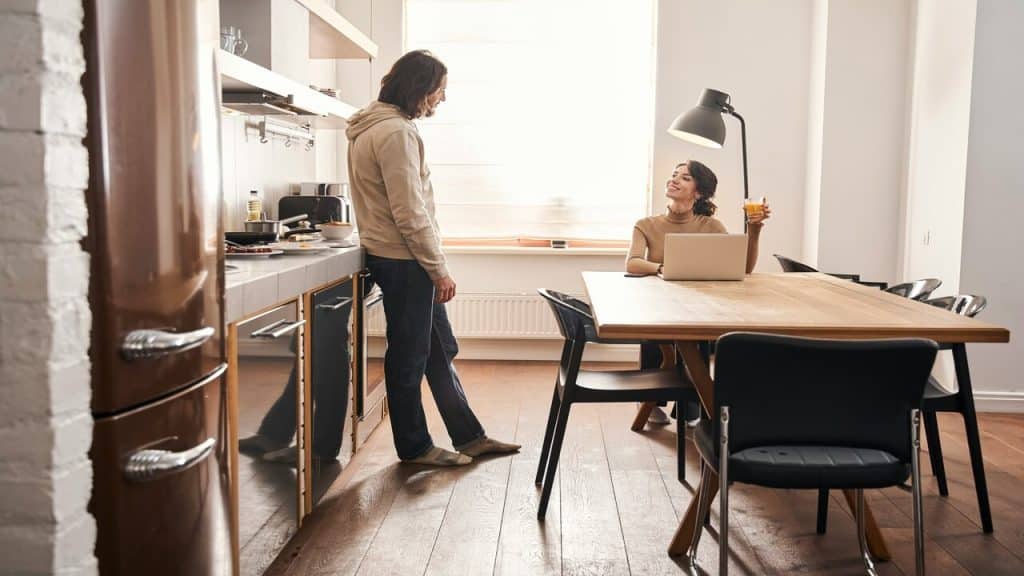
A husband who feels safe thinks long-term. He talks about the future naturally because the present feels stable. Emotional unpredictability kills future thinking. If he includes you in plans years ahead, it’s a strong indicator that home feels secure and reliable.
11. He Maintains His Identity Without Guilt

Safety doesn’t require self-erasure. A secure husband keeps friendships, interests, and individuality without fear of conflict. When autonomy is respected, resentment stays low. Encourage independence—it strengthens intimacy rather than threatening it.
12. He Accepts Comfort During Hard Moments

Unsafe environments teach men to self-soothe alone. Safe homes allow comfort. If he lets you support him emotionally or physically, it means he trusts your presence. This is often quiet and subtle, but deeply meaningful. Don’t rush these moments; let them unfold naturally.
13. He Doesn’t Keep Emotional Score
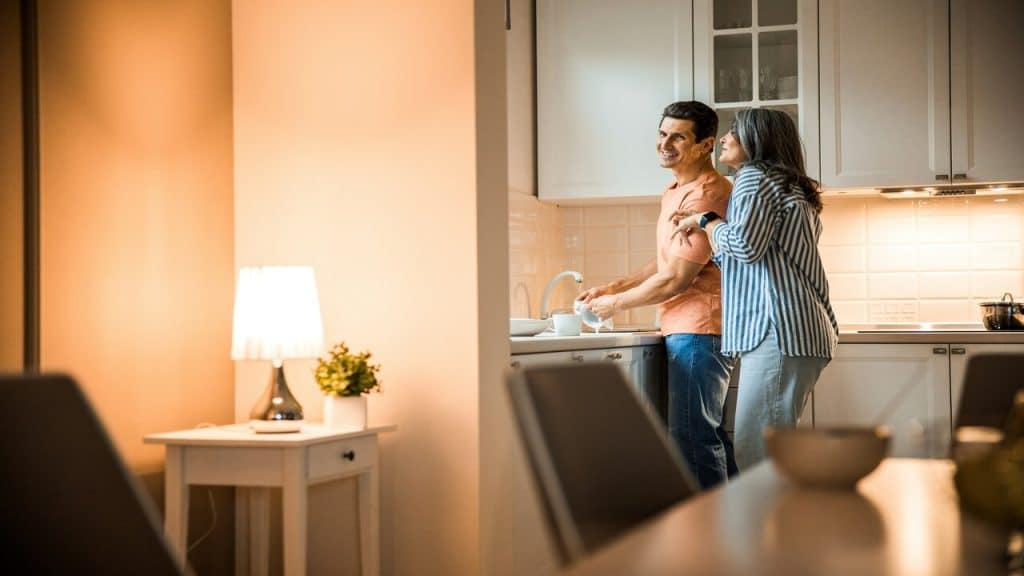
When a husband feels safe, he doesn’t tally sacrifices or store resentment. That’s because issues are addressed before they fester. Emotional scorekeeping thrives in environments where concerns aren’t heard. Regular, low-stakes check-ins prevent silent buildup.
14. He Shows Consistency Instead of Emotional Whiplash

Safe husbands are emotionally steady. You don’t get extreme highs followed by shutdowns. This consistency comes from knowing where he stands at home. Predictability isn’t boring—it’s calming. Consistent responses build trust faster than grand gestures.
15. He Seeks Your Opinion Genuinely
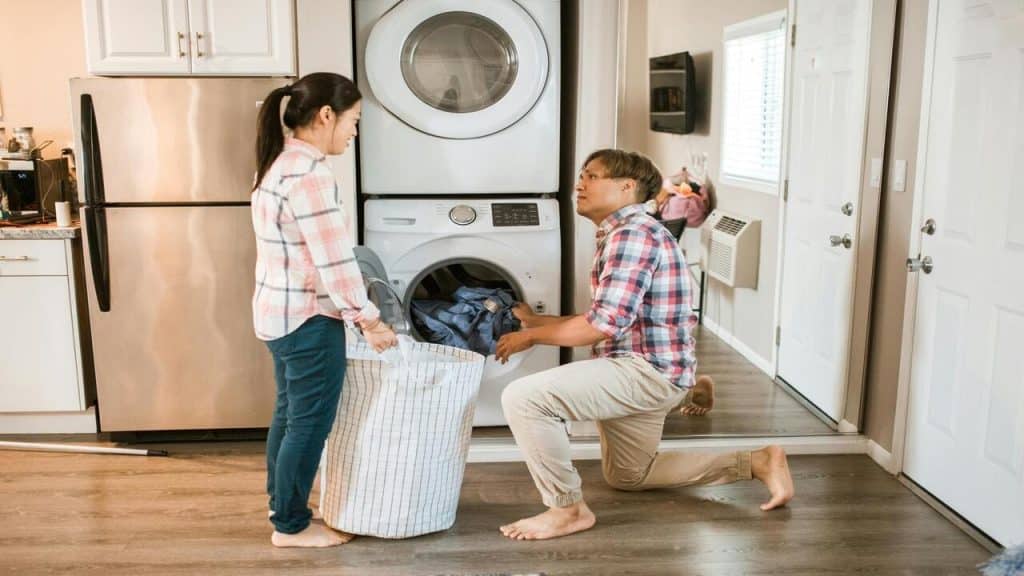
This isn’t about permission—it’s about partnership. A husband who feels safe values your perspective because it feels supportive, not controlling. He knows disagreement won’t equal disapproval. Offer opinions with respect, not authority, to keep this dynamic healthy.
16. He Sleeps Better at Home

Sleep is one of the clearest indicators of safety. A regulated nervous system rests more deeply. If he sleeps well beside you, it means his body associates home with calm. Emotional tension often shows up as restlessness long before words do.
17. He Expresses Gratitude Without Being Prompted

Gratitude flows naturally when someone feels secure. He notices small things and says thank you without being reminded. Appreciation isn’t forced—it’s organic. This is one of the clearest signs that home feels emotionally nourishing, not transactional.








Ask Me Anything