
Trust is an important part of a healthy relationship. It helps people feel safe, respected, and emotionally secure with each other. When trust weakens, it usually does not happen because of one big mistake. More often, it fades slowly through small habits and repeated behaviors that seem harmless at first. These patterns can quietly change how partners talk, rely on each other, and understand intentions. In many relationships, one partner notices these changes earlier, while the other may not realize what is happening. The following slides explore common patterns that slowly break trust, why they matter in daily life, and how early awareness can help protect the relationship.
Small Broken Promises Add Up
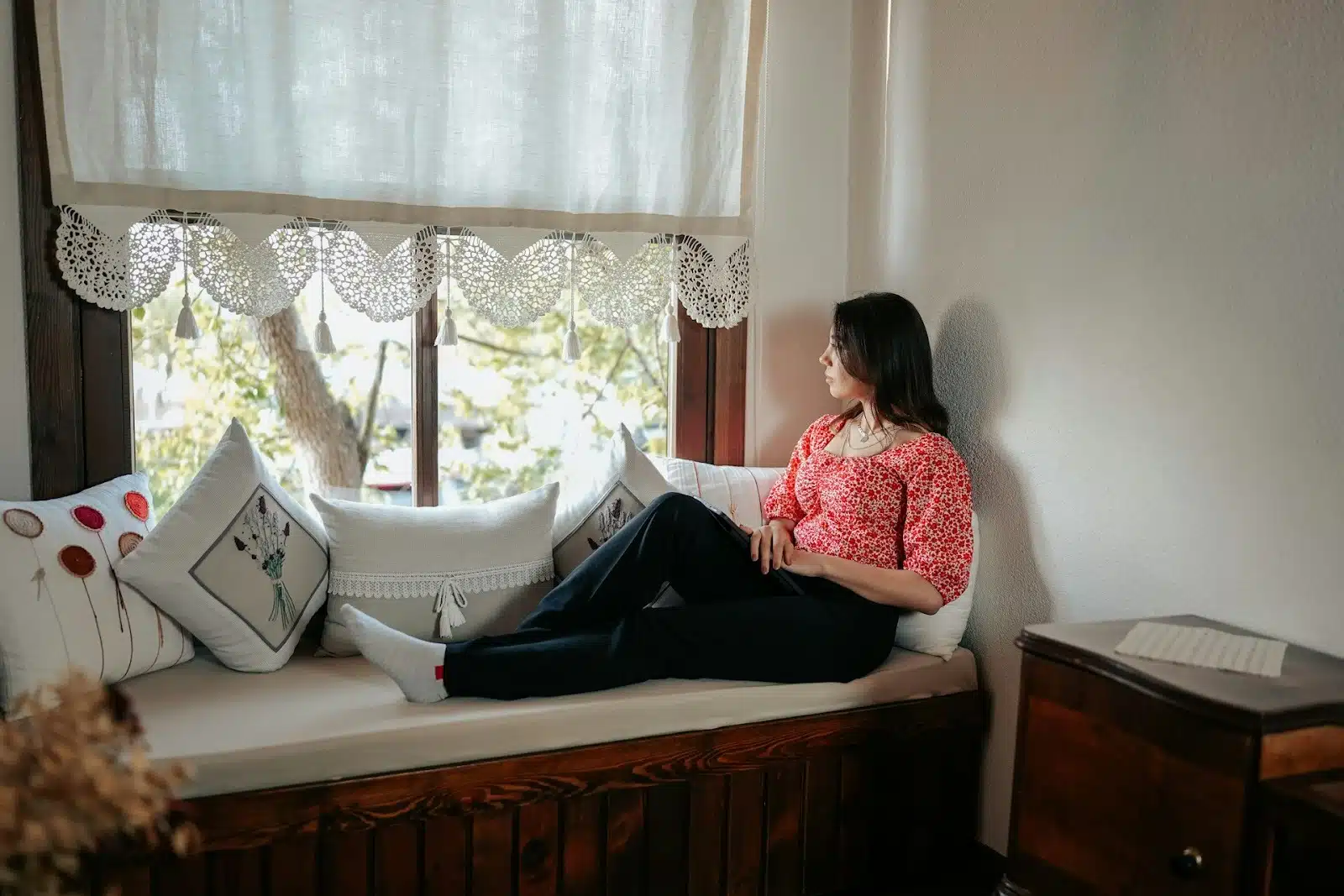
Trust can slowly weaken when small promises are missed again and again. Being late, forgetting plans, or not following through can seem unimportant in the moment. When these things happen often, a partner may start to feel unsure about what to expect. This uncertainty can lead to doubt about reliability and dependability. Even small letdowns can add up and affect how words are trusted. Over time, actions may matter more than intentions. Trust grows when behavior is consistent and predictable.
Avoiding Difficult Conversations

Avoiding uncomfortable topics can feel like a way to keep peace in the moment. Silence may stop arguments from happening right away. However, issues that are not talked about often remain unresolved. These hidden concerns can slowly build tension beneath the surface. Over time, avoiding difficult conversations can create emotional distance between partners. Trust is strengthened when concerns are shared openly. Honest communication helps both people feel understood and secure.
Being Emotionally Unavailable

Emotional availability helps partners feel close and supported. When one person often pulls away or shuts down, the other may feel alone. This can create doubt about whether support will be there when it is needed. The partner who feels shut out may stop sharing thoughts or feelings. Emotional distance can slowly replace openness. Trust is harder to maintain when emotional connection feels uncertain.
Inconsistent Communication

Trust depends on feeling emotionally safe and informed. When communication becomes irregular, such as delayed replies or sudden shifts in tone, it can create uncertainty. A partner may begin to wonder what has changed or whether something is being hidden. Even small changes can feel meaningful when they happen often. With time, this confusion can weaken trust. Consistent communication helps partners feel secure and connected.
Dismissing Feelings as Overreactions

When someone’s feelings are brushed aside, trust can slowly weaken. A partner may feel that their emotions do not matter or are not taken seriously. If this happens again and again, they may stop sharing how they feel. Emotional openness can fade as a result. Over time, this creates distance between partners. Feeling heard and respected helps trust stay strong.
Choosing Comfort Over Honesty

Avoiding honesty to keep the peace can seem caring at first. It may feel easier than risking disagreement or hurt feelings. However, holding back true thoughts can slowly weaken trust. A partner may sense that something is not being shared, even if they cannot name it. This lack of openness can create uncertainty and distance. Trust grows when honesty is shared gently and respectfully, not when it is avoided.
Lack of Follow-Through After Apologies

Apologies help repair trust when they are followed by real change. When the same behavior keeps happening after an apology, trust can start to weaken. A partner may feel that the apology is only words, not commitment. This can lead to doubt and disappointment. Actions become more important than promises. Trust grows when effort matches what is said.
Keeping Emotional Distance During Stress

Stress can change how a person responds emotionally. Pulling back during stressful times may feel like a way to cope or stay in control. When this happens once, it may not cause concern. When it happens often, a partner may start to feel shut out or unsupported. This pattern can create emotional distance. Trust can weaken when support feels absent during difficult moments.
Prioritizing Everything Else First

Work, friendships, and personal interests are important parts of life. Problems can start when these areas always take priority over the relationship. If a partner often feels placed last, they may begin to feel unimportant or overlooked. This can slowly weaken trust and emotional closeness. Balance helps partners feel valued and secure. Feeling consistently considered is an important part of maintaining trust.
Being Defensive Instead of Listening
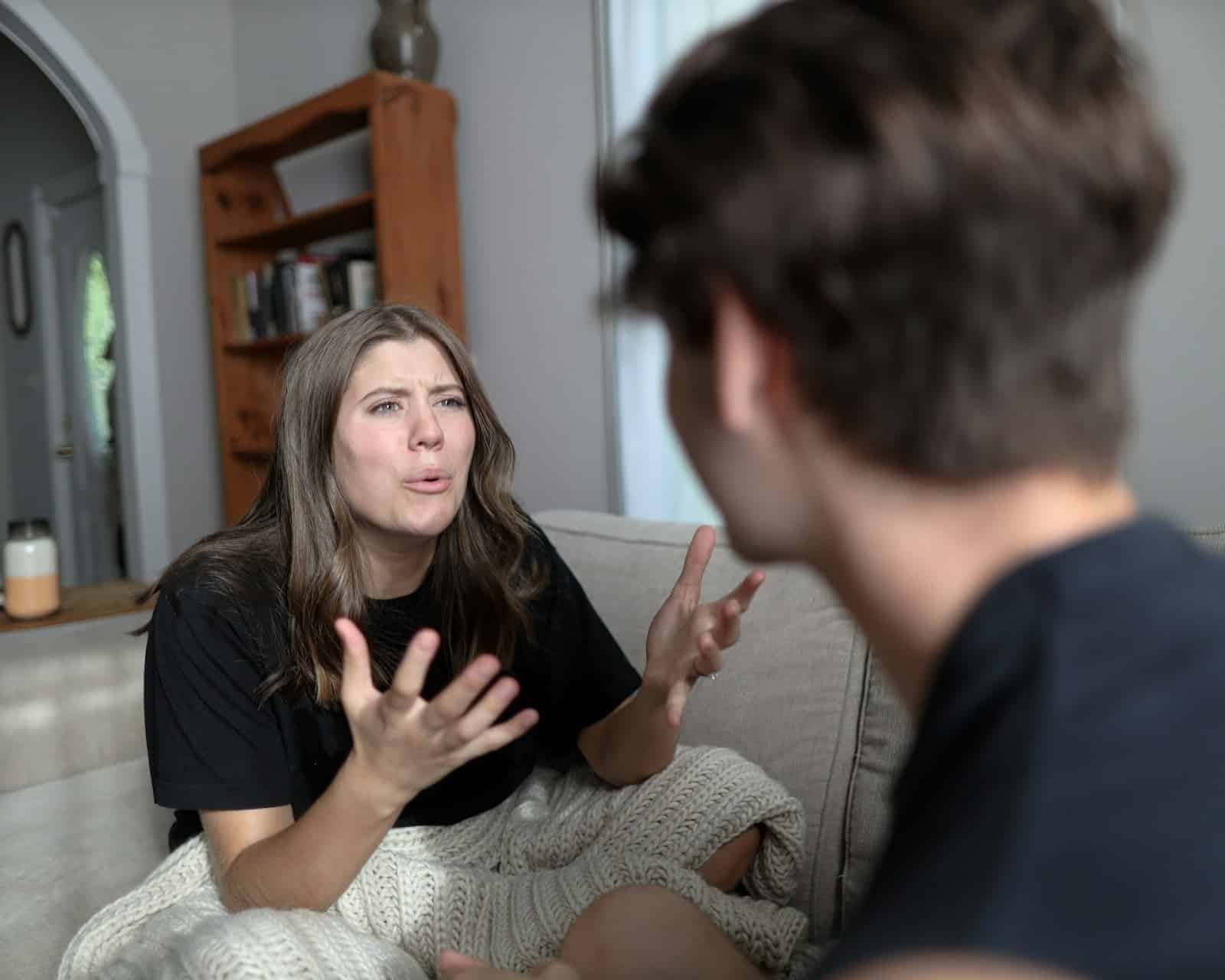
Defensiveness can make communication difficult. When simple feedback feels like an attack, partners may stop sharing their thoughts. Conversations can become tense or avoided altogether. This limits understanding between partners. Trust can weaken when openness is replaced by self-protection. Feeling heard and listened to helps create emotional safety and keeps trust strong.
Hiding Feelings to Avoid Conflict

Holding feelings inside can seem like a way to keep things calm. Avoiding emotional talk may feel easier than risking conflict. However, unspoken feelings do not disappear and often show up later in other ways. A partner may sense distance or tension without knowing the reason. When emotions feel hidden, trust can slowly weaken. Open and clear expression helps both partners understand each other better and keeps the relationship grounded.
Inconsistent Emotional Support

Support works best when it feels steady and dependable. When someone is caring one day and distant the next, it can feel confusing to a partner. This inconsistency may lead to uncertainty about when emotional support will be available. That uncertainty can weaken trust. Emotional consistency helps people feel safe and secure in a relationship. Knowing support will be there makes it easier to open up and stay connected.
Making Assumptions Instead of Asking

When assumptions take the place of clear communication, misunderstandings can slowly build. One partner may believe they understand the other without checking in. This can lead to feeling misread or overlooked. Small misunderstandings may grow into larger issues if they are not clarified. Trust can weaken when intentions and feelings are guessed rather than discussed. Clear communication helps keep both partners on the same page.
Letting Resentment Build Quietly

Unspoken resentment usually builds little by little. Small frustrations may seem easier to ignore at first. When they are not addressed, they can slowly affect mood, tone, and behavior. A partner may sense tension without knowing the cause. This can weaken trust and emotional safety. Talking about concerns early helps prevent resentment from quietly damaging the relationship.
Avoiding Responsibility for Impact

A person may not mean to hurt their partner, but the hurt can still be real. When the pain is brushed off or not acknowledged, trust can slowly fade. The partner may feel that their feelings do not matter. Simply recognizing the impact of an action helps the other person feel seen. Taking responsibility shows care and respect. This helps rebuild and protect trust.
Keeping Important Thoughts Private

Privacy can be a normal and healthy part of a relationship. Everyone needs personal space and independent thoughts. Problems begin when privacy turns into secrecy about important things. When thoughts, feelings, or decisions are kept hidden, a partner may feel shut out. This can create distance and uncertainty over time. Sharing what matters helps both people feel included and connected. Trust grows when partners feel emotionally informed, not left guessing.
Repeating the Same Hurtful Patterns

Repeated actions often matter more than single moments. A small behavior may seem harmless on its own, but when it happens again and again, it can start to hurt. These repeated patterns shape how a partner feels about trust and reliability. Explanations may help in the moment, but they do not replace consistent change. Trust grows when behavior improves and stays steady. Consistency over time is what rebuilds confidence and security in a relationship.
Not Noticing Emotional Changes

Emotional changes in a relationship usually happen slowly, not all at once. One partner may begin to notice small signs, such as less warmth, shorter conversations, or reduced interest. The other partner may not notice these changes at first and may feel surprised when concerns are raised. This difference in awareness can delay honest conversation and repair. When early signs are missed, distance has more time to grow. Noticing emotional shifts early makes it easier to address issues before trust is affected.
Accepting Distance as Normal

When emotional distance builds little by little, it often blends into everyday routine. Daily life keeps moving, so the change does not always stand out. One partner may begin to feel disconnected but struggle to explain why. The other partner may see everything as normal because nothing obvious has changed. When distance feels familiar, it is less likely to be questioned or addressed. This delay can allow the gap to grow wider. Becoming aware of these small changes early makes it easier to reconnect and adjust before trust is affected.
Awareness Helps Protect Trust

Trust rarely breaks all at once. It usually weakens through small, repeated patterns that feel unimportant at first. When these habits go unnoticed, they can slowly change how safe and connected a relationship feels. Awareness helps bring these patterns into view before they cause deeper damage. Understanding what is happening is not about assigning blame, but about seeing how everyday behavior affects trust. Noticing these habits early creates space to adjust, communicate, and reconnect. With attention and understanding, trust can be supported and protected over time.








Ask Me Anything