
Emotional connection is an important part of a healthy relationship. Over time, small changes in communication, attention, or closeness can slowly create emotional distance. These changes usually happen little by little, not because of one big moment. Men and women often notice and understand these changes in different ways, which can cause confusion. In many relationships, one partner feels the distance earlier, while the other may think it is temporary or not serious. The following slides looks at how emotional distance is often understood from both sides and why these differences matter in everyday relationships. Noticing these patterns early can help prevent deeper emotional disconnection.
Emotional Distance Often Develops Gradually

Emotional distance usually does not happen all at once. It often grows through small changes in communication or emotional presence. This may include fewer conversations, less sharing, or reduced attention. Because these changes happen slowly, they can be easy to miss. Over time, they can create a feeling of disconnection. This gradual process helps explain why partners may disagree on when it began.
Men and Women May Notice Distance at Different Times

Men and women may notice emotional distance at different points. Women often sense small emotional changes early, such as shifts in tone or attention. Men may notice later, especially if daily routines have not changed. This difference in timing can lead to different views about how the relationship is going. One partner may feel worried while the other sees no problem. Even when both care, this gap in awareness can cause misunderstanding.
Communication Styles Influence Perception

Men and women often express emotions in different ways. Women may use words and conversation to feel emotionally close. Men may show connection through actions or spending time together. When these styles do not match, emotional distance can be misunderstood. One partner may miss verbal reassurance, while the other believes they are showing care in a different way. These differences affect how emotional closeness is noticed and understood.
Emotional Expression Is Not Always the Same

People express emotions in different ways. Many women tend to show feelings through words, tone, and emotional sharing. Men are often taught to limit emotional expression, especially during stressful moments. This difference can make women feel that emotional closeness has faded. At the same time, men may see their behavior as normal or practical. These different styles can lead to misunderstandings about emotional connection.
Stress Can Be Mistaken for Emotional Distance

Stress can reduce emotional availability in a relationship. Pressure from work, finances, or family responsibilities can leave less energy for connection. Men often respond by turning inward or focusing on tasks. Women may notice the emotional shift before recognizing stress as the cause. Without this context, the change can feel like emotional distance. Understanding the role of stress helps explain why this distance is often temporary.
Silence Can Mean Different Things
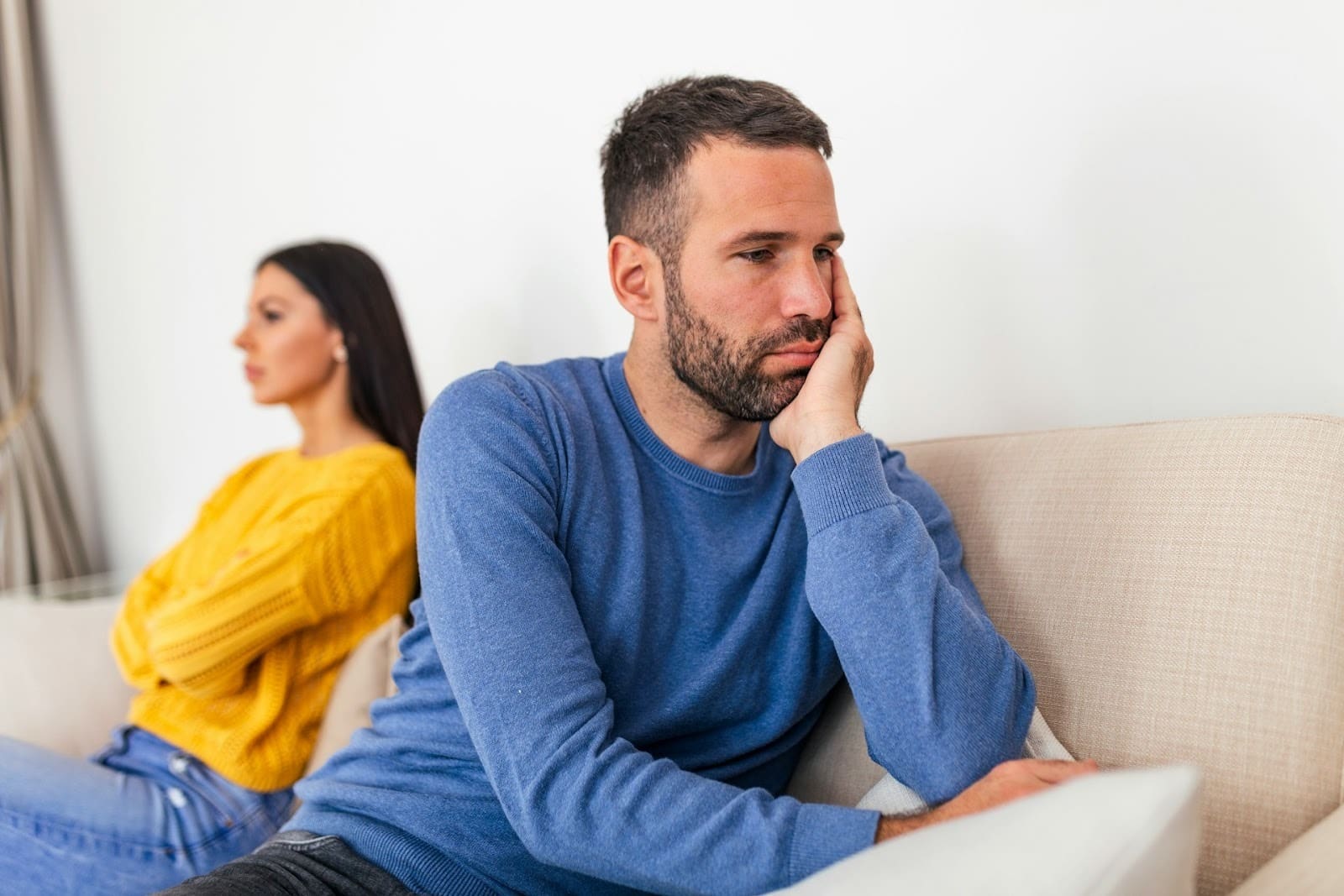
Silence does not have the same meaning for everyone. Many men use silence to think and sort through their feelings. Many women may see silence as a sign of emotional distance or loss of interest. This difference can lead to worry or frustration. What feels normal to one partner can feel hurtful to the other. Understanding these differences helps explain intentions more clearly.
Emotional Distance Often Depends on Interpretation

Emotional distance can feel different depending on perspective. Women may see reduced communication or warmth as a sign that something is wrong emotionally. Men may view the same change as temporary, practical, or unrelated to feelings. This difference in interpretation can create worry on one side and confusion on the other. Both partners may care deeply but understand the situation in different ways. Recognizing these differences helps explain why emotional distance can feel uneven.
Men Often Focus on Stability More Than Emotional Changes

Many men understand a relationship by looking at how steady daily life feels. If work routines, shared responsibilities, and everyday habits stay the same, they may believe the relationship is stable. Emotional changes, such as less warmth or fewer meaningful conversations, may not feel urgent to them. Women often notice these emotional shifts sooner because they pay closer attention to connection and tone. This difference can lead one partner to feel concerned while the other feels unaware. These patterns usually come from past experiences and social expectations, not from lack of care.
Women Often Notice Emotional Patterns Over Time
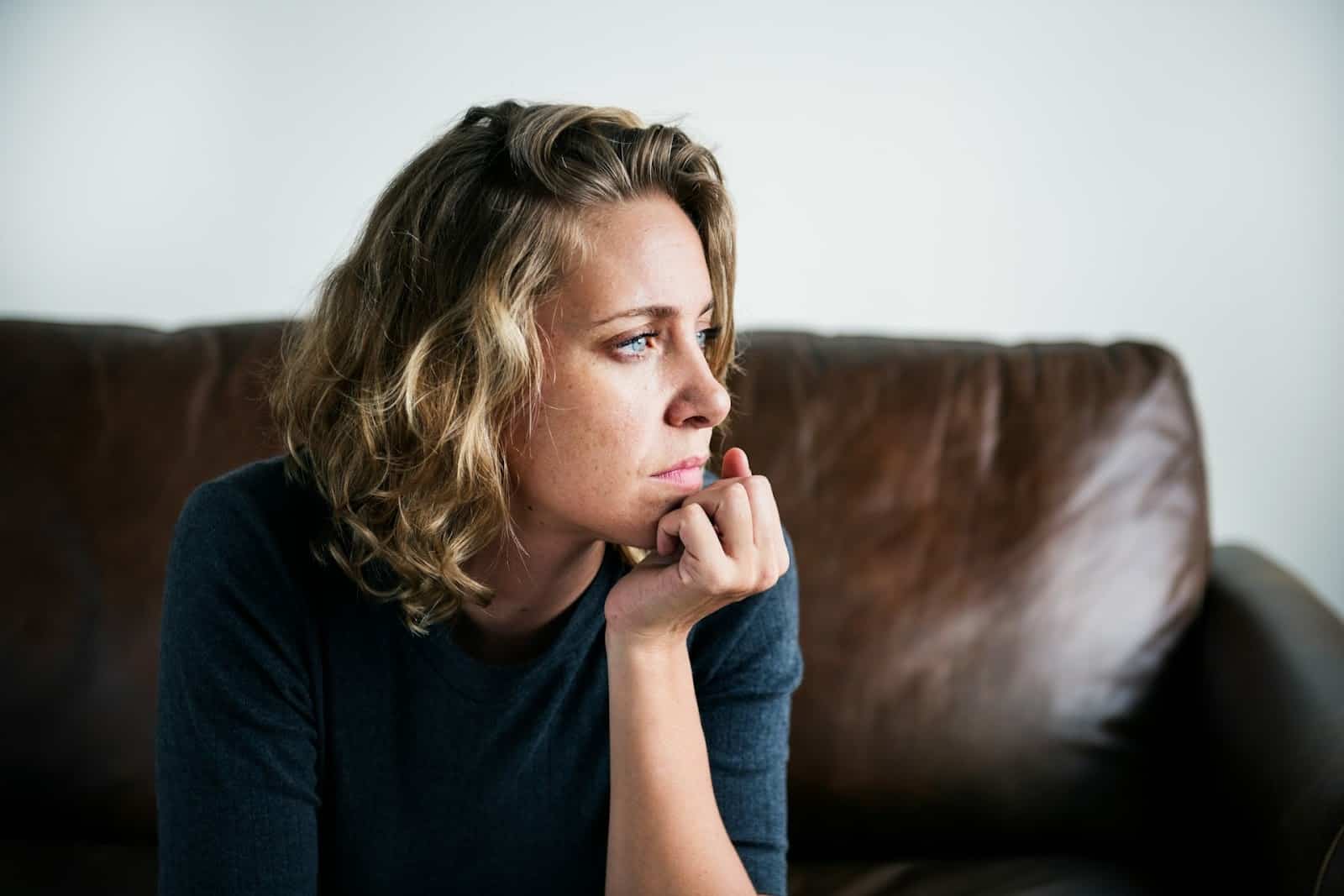
Women often pay close attention to how emotional connection changes over time. Small shifts, such as less warmth, shorter conversations, or reduced attention, may stand out early. These repeated changes can feel like signs of growing emotional distance. Men may see the same changes as small or temporary and not connect them to the relationship. Because of this, partners may reach different conclusions about how things are going. Understanding this difference helps explain why concerns do not always appear at the same time.
Actions and Words Can Mean Different Things

Men and women often place different values on actions and words. Men may show care through actions like helping, fixing problems, or being reliable. Women often feel connected through words, such as reassurance or emotional conversation. When these styles do not match, emotional distance can be felt. One partner may feel unheard, while the other believes they are showing care. These differences influence how emotional connection is understood.
Conflict Can Make Distance Feel Stronger

Conflict can make emotional distance feel more noticeable. During disagreements, men may pull back to calm the situation or avoid making it worse. Women often want to talk things through to feel emotionally close again. These opposite reactions can increase the feeling of distance. Each partner may believe they are helping the relationship in their own way. Understanding these patterns helps explain why conflict can feel emotionally intense.
Emotional Distance Is Often Unintentional

Emotional distance is not always a deliberate choice. In many cases, it happens without either partner meaning for it to occur. Stress, habits, or different coping styles often play a role. Men may not realize they are missing emotional signals. Women may believe the distance is intentional when it is not. Understanding this helps reduce blame and unnecessary hurt feelings.
Past Experiences Affect How Emotional Distance Is Understood

Past experiences play a strong role in how emotional distance is perceived. Previous relationships and family environments shape emotional expectations. Women may be more sensitive to emotional changes because of earlier experiences. Men may rely on coping habits learned earlier in life. These backgrounds influence how each person understands emotional signals. Knowing this context helps explain why reactions can differ.
Emotional Distance Can Feel Uneven

Emotional distance is often experienced differently by men and women. Women may feel a growing disconnect through changes in emotional closeness or communication. Men may feel the relationship is stable if daily routines and responsibilities remain unchanged. This difference can create confusion and emotional strain. The partner who notices the distance first may feel unheard or dismissed. The other partner may feel surprised by the concern and unsure where it is coming from. These uneven experiences can make open communication harder.
Awareness Often Builds Through Repeated Moments

Emotional distance is usually not caused by one single moment. It develops through repeated experiences over time. Small patterns, such as less communication or emotional presence, can slowly create concern. Women often notice these patterns earlier because they track emotional changes closely. Men may become aware later, once the pattern is more clear. Awareness of emotional distance usually grows through repetition, not isolated events.
Emotional Distance Does Not Always Mean the Relationship Is Failing

Emotional distance does not always mean a relationship is in trouble. It can happen during busy or stressful periods. Men and women may view this distance in different ways. One partner may worry it will affect the relationship long term. The other may see it as temporary and not serious. Understanding this difference helps reduce unnecessary worry and tension.
Cultural Norms Shape How Emotional Distance Is Interpreted

Cultural expectations influence how emotions are expressed and understood. Men are often taught to limit emotional display. Women are often encouraged to talk about feelings more openly. These differences affect how emotional distance appears in relationships. What feels normal to one partner may feel concerning to the other. Understanding cultural influences helps explain gaps in emotional interpretation.
Emotional Distance Can Change Everyday Interaction

When emotional distance is present, daily behavior often changes. Partners may talk less or keep conversations brief. Sharing feelings can start to feel uncomfortable or avoided. One person may try to connect more, while the other stays focused on routine. These differences can make the distance feel larger over time. Understanding this pattern helps explain why emotional distance can continue if it is not recognized.
How Interpretation Affects Emotional Reactions

How emotional distance is understood shapes how each partner reacts. When distance is seen as a problem, feelings of worry or frustration may grow. Women often respond by seeking reassurance or emotional conversation. Men may respond by pulling back or focusing on tasks and responsibilities. These different reactions can increase the feeling of separation. In many cases, the meaning given to behavior has a bigger impact than the behavior itself.
Understanding Differences Helps Reduce Misunderstanding

Men and women often understand emotional distance in different ways. These differences usually come from how they communicate and how they notice emotions, not from a lack of care. One partner may feel something is wrong, while the other feels the relationship is steady. This gap can create confusion if it is not understood. Recognizing these differences helps partners avoid personal assumptions. Over time, this awareness supports clearer communication and a stronger emotional connection.








Ask Me Anything