
Healthy relationships take communication, trust, and steady effort. Problems usually do not start all at once. They often grow slowly through everyday habits and repeated behaviors. These patterns affect how partners talk, handle stress, and react during conflict. The changes can be subtle and easy to miss at first. Often, one partner notices emotional distance before the other does. The following slides explain common ways men respond to relationship challenges and how these patterns influence connection over time.
Men Respond to Relationship Challenges in Different Ways

Relationship problems are a normal part of long-term partnerships. People handle these problems in different ways. Many men respond based on how they were raised, what they were taught, and their life experiences. These influences affect how they communicate, deal with stress, and respond during conflict. Understanding these patterns helps reduce confusion between partners. It can also make conversations calmer and more respectful. Recognizing these differences early helps both partners respond with more understanding.
Men Are Often Taught to Hide Emotions

Many boys grow up learning that showing emotions is a sign of weakness. They are often encouraged to stay strong, independent, and in control. As adults, this can make talking about feelings feel uncomfortable or unsafe. In relationships, this may affect how men respond during stress or conflict. These habits are usually learned, not done on purpose. Understanding this background helps partners better understand their reactions and reduces frustration.
Men Often Focus on Solving Problem First

Many men respond to relationship issues by trying to fix the problem right away. They often look for practical steps before talking about emotions. This approach can be useful when a clear solution is needed. However, it may feel unsupportive if a partner wants understanding or reassurance first. People often have different ideas of what support looks like. Recognizing this difference can improve communication and reduce tension.
Men Often Show Care Through Actions Instead of Words

Some men show care through actions more than words. They may help by fixing problems, taking responsibility, or offering practical support. During stressful times, these actions can take the place of verbal reassurance. A partner may feel confused when emotional reassurance is expected instead.This difference can lead to misunderstanding. Recognizing that actions can be a form of care helps improve understanding and connection.
Men Often Need Time to Process Emotions

Many men need time to think about their feelings before talking about them. Quiet moments or pulling back often mean they are processing, not that they do not care. This time helps them sort out thoughts and emotions. A partner may feel ignored if they are unaware of this need. When space is respected, conversations are often clearer later. Recognizing this pattern helps reduce confusion and tension.
Men May Step Back to Manage Strong Emotions

Some men deal with strong emotions by stepping back from conflict. Taking space can help prevent arguments from becoming more intense. This pause is often used to regain calm and control. However, the main issue may still need to be discussed later. A partner may see this as pulling away or not caring. In many cases, the goal is to avoid saying something harmful. Understanding this pattern can help keep conversations calmer and more productive.
Men May Find It Hard to Talk About Feelings

Many men are not used to talking openly about their emotions. They may struggle to find the right words to explain how they feel. This can be confusing for partners who expect verbal reassurance. Difficulty with emotional language does not mean a lack of care. Feelings may still be present but unspoken. Understanding this difference helps reduce misinterpretation. It also supports clearer and calmer communication.
Stress Can Affect How Men Respond in Relationships

Stress from work, money, or daily responsibilities can affect how men react to relationship issues. When stressed, they may focus on practical concerns over emotional ones. Emotional conversations may feel harder to handle during these times. This can come across as distance or reduced involvement. In many cases, the stress comes from outside the relationship. Understanding this context helps explain changes in behavior. It can also reduce confusion and tension between partners.
Men Often Handle Relationship Problems on Their Own
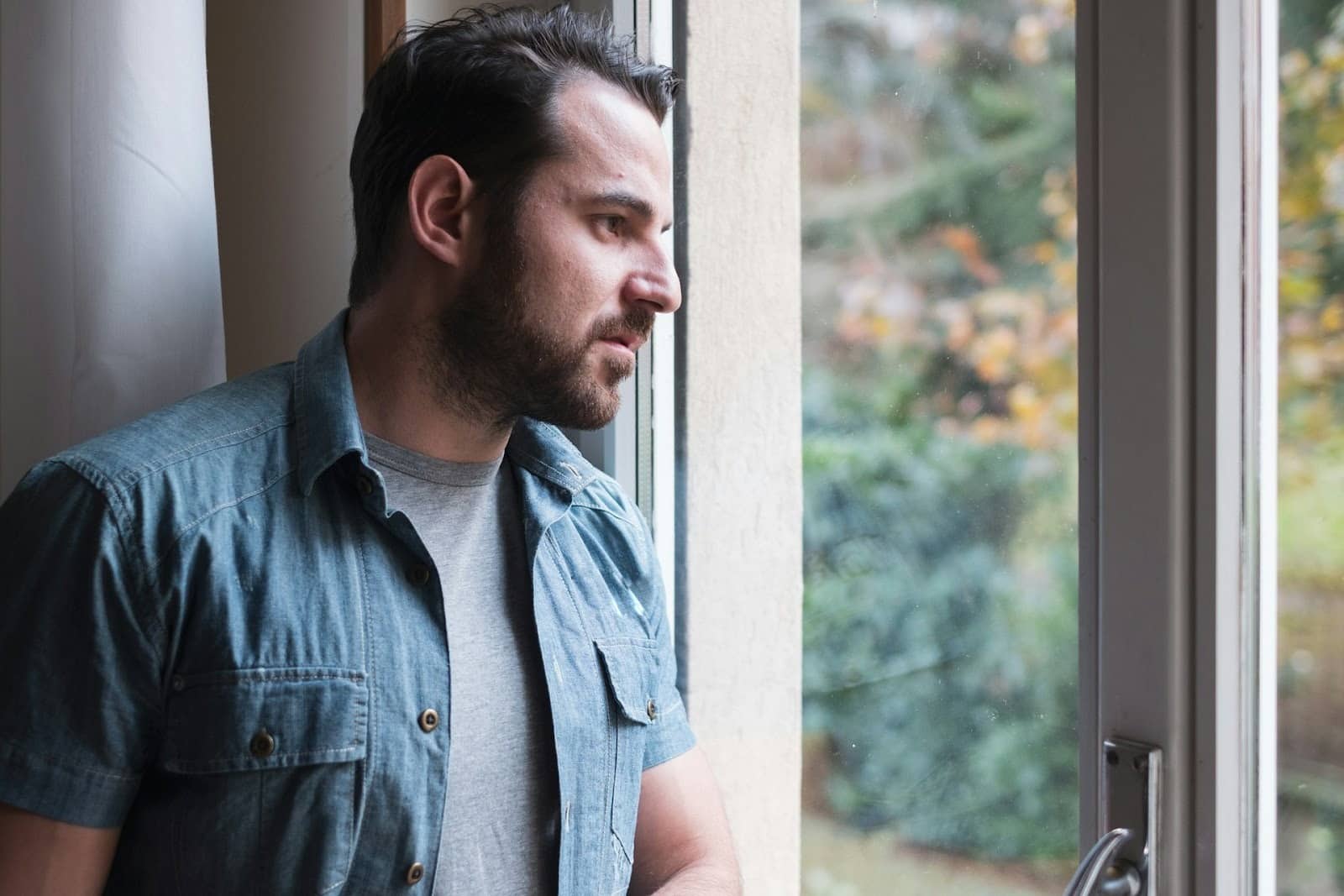
Some men prefer to deal with problems privately instead of talking about them openly. They may choose not to ask friends or family for advice. This can make them appear distant, even when they are still invested in the relationship. Handling issues alone often feels more comfortable or familiar to them. When this need for space is understood, patience becomes easier. Over time, this approach can still support mutual respect and understanding.
Men Often Find It Difficult to Ask for Emotional Support

Asking for emotional support can be hard for many men. They may worry about appearing weak or dependent. Instead, they try to manage problems alone. Partners may misinterpret this as emotional distance. Understanding this pattern helps explain these behaviors. It makes it easier to respond with patience and empathy. This understanding also helps keep the relationship connected during difficult times.
Men May See Conflict as a Sign Something Is Wrong

Some men see conflict as a sign that the relationship is in trouble. This belief can create stress or worry during disagreements. As a result, they may try to calm the situation quickly or avoid the topic. The goal is often to restore peace rather than talk deeply about emotions. Partners may mistake this response for lack of interest or concern. In many cases, it reflects a desire to protect the relationship. Understanding this view can help reduce tension during conflict.
Men May Shut Down Emotionally During Intense Arguments

During very stressful arguments, some men may become quiet or pull back emotionally. This reaction often happens when emotions feel overwhelming. Shutting down is usually a way to protect themselves, not a sign of indifference. Taking time to cool down can make later conversations clearer and calmer. Partners may feel confused if they do not understand this response. Recognizing this pattern helps reduce frustration. It also supports more thoughtful communication once emotions settle.
Men Often Start With Logic Instead of Feelings

When relationship problems come up, many men focus first on facts and solutions. Thinking about what went wrong and how to fix it can feel clear and manageable. Emotions may be set aside or addressed later. This approach can help with practical issues. However, a partner may feel that emotional needs are being overlooked. The difference usually comes from how each person approaches the problem. When one looks for solutions and the other looks for emotional understanding, conversations can feel uneven.
Men Tend to Open Up When They Feel Safe

Men are more willing to share their feelings when they feel accepted and respected. Feeling safe lowers the fear of being judged or criticized. When trust is strong, conversations often become more open and honest. When trust feels weak, men may hold back or become more guarded. These differences in openness often reflect the level of emotional safety. Understanding the role of trust helps explain changes in communication and connection.
Men Often Learn Emotional Communication Skills Over Time

Emotional communication is something many men learn gradually. As children, some men were not taught how to talk openly about feelings. Over time, real-life experience helps them improve. Watching healthy relationships and having open conversations can make a difference. These skills usually develop slowly, not all at once. Understanding this growth helps partners be more patient and supportive.
Personal Experiences Influence How Men Respond

Every man comes into a relationship with his own life experiences. Family background, past relationships, and personal history shape how he reacts to challenges. Some men grow more open with time, while others stay more guarded. These differences affect how comfort, stress, and conflict are handled. Recognizing this helps explain why reactions can vary. Understanding personal differences encourages patience and clearer communication.
Men’s Coping Styles Are Often Misunderstood

Men and their partners may cope with challenges in different ways. Silence can look like withdrawal, even when it is a way to think or calm down. Focusing on fixing problems can feel dismissive if emotional support is expected first. These differences can create tension without meaning to. Understanding that each response has a purpose helps reduce confusion. It allows partners to see intent more clearly. This awareness supports calmer and more respectful communication.
Healthy Communication Helps Men Improve Coping

Seeing healthy communication in action can help men develop better ways to cope. This can happen through counseling, learning resources, or watching how others communicate well. Change usually happens slowly through practice and experience. Listening carefully and sharing feelings more clearly can improve understanding. These skills help both partners feel heard and respected. Over time, healthier communication supports a more stable relationship.
Men’s Coping Patterns Influence Relationship Outcomes

How men handle challenges can shape the direction of a relationship. When partners understand common coping styles, difficult moments are easier to manage. This awareness reduces blame and encourages empathy. Knowing the reasons behind certain behaviors helps set more realistic expectations. Different coping styles are normal and do not mean someone cares less. Understanding these patterns supports clearer communication and stronger, more stable relationships.
Healthy Relationships Grow Through Mutual Understanding

Strong relationships are built on learning how each partner thinks and responds. Differences in emotional expression and coping styles are natural. When both partners stay curious instead of critical, communication improves. Small adjustments in understanding can prevent many misunderstandings. Over time, this creates a sense of teamwork rather than conflict. Mutual effort helps relationships grow stronger and more secure.








Ask Me Anything