
Nobody wakes up one day and decides to feel invisible in their own marriage. It builds slowly. You start feeling like your presence is optional instead of essential. Conversations get shorter, appreciation gets rarer, and the effort you once gave freely starts to feel one-sided. From the outside, everything can still look stable, especially to friends, family, and even your wife. But internally, something shifts. When you feel unseen, your behavior changes in ways you might not even notice at first.
Pulling Back Emotionally Instead of Talking It Out

You stop explaining how you feel because it seems pointless. At first, you try to open up, but when your words feel ignored or minimized, you retreat. You convince yourself that staying quiet keeps the peace. Deep down, you also fear sounding needy or dramatic. So you bottle things up and keep conversations surface-level. Your wife may notice the distance but not understand the cause. Over time, emotional silence becomes your default setting.
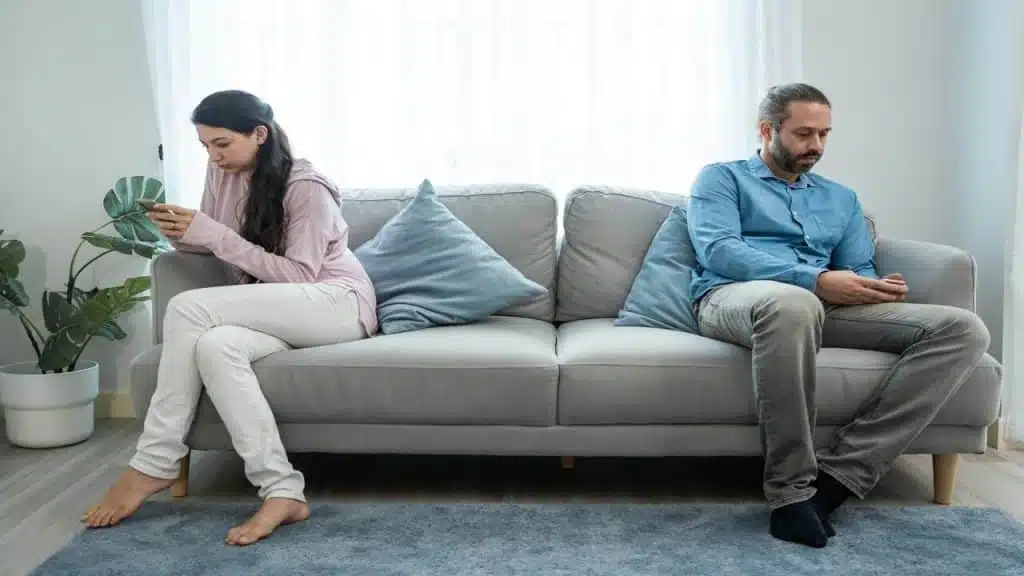
Spending More Time on Your Phone Than With Her

Your screen becomes your escape. Scrolling feels easier than navigating tension at home. You tell yourself you are just unwinding, but it turns into emotional avoidance. Social media, group chats, and random videos start filling the connection gap. You might even linger on dating content or relationship advice more than usual. It is not always about cheating. Sometimes it is just about feeling seen somewhere, even digitally.
Investing Energy Into Work More Than the Marriage

Work starts feeling like the one place where you are valued. You get recognition, progress, and clear wins. That validation can become addictive when home feels emotionally flat. So you stay longer hours or bring work home mentally. You justify it as providing for the family. But part of you knows you are also avoiding disconnection at home. Your ambition grows while your presence in the marriage shrinks.
Becoming Less Affectionate Without Realizing It

You do not plan to stop being affectionate. It just fades. Hugs get shorter, kisses become routine, and physical touch loses intention. When you feel emotionally unseen, physical closeness can feel forced. You start waiting for her to initiate instead. If she does not, the distance widens. For female readers, this shift often feels sudden, but for you, it has been building quietly for months.
Craving Validation From Outside Sources

You notice compliments more. Whether it is from coworkers, friends, or even strangers, appreciation hits differently now. It reminds you that you are still desirable and valued. You might not act on it, but you think about it. That mental shift alone signals emotional hunger. Validation fills a void that marriage used to fill naturally. It becomes dangerous when it starts feeling better than the connection at home.
Becoming Irritable Over Small Things

Little issues start triggering big reactions. It is rarely about the dishes or the noise. It is about accumulated emotional neglect. When you feel unseen, patience drops. You feel like you give more than you receive. So frustration leaks out sideways. Your wife may see anger, but underneath it is hurt.
Fantasizing About a Different Life

You catch yourself daydreaming about freedom. Sometimes it is about being single again. Other times, it is about being with someone who “gets you.” You imagine conversations that flow more easily. You picture respect, admiration, and peace. These thoughts do not always mean you want out. They often mean you want your current marriage to feel alive again.
Withdrawing From Shared Activities

Date nights feel forced instead of fun. Conversations feel like obligations. So you start opting out. You would rather stay home, game, watch sports, or go out with friends. It is not that you hate spending time with her. It is that the emotional reward feels gone. Shared joy turns into shared silence.
Putting More Effort Into Your Appearance

You start grooming better, dressing sharper, or hitting the gym more consistently. On the surface, it looks like self-improvement. And part of it is. But another part is about reclaiming lost confidence. Feeling unseen at home makes you want to feel visible elsewhere. You want to remind yourself that you still “have it.”
Keeping Thoughts to Yourself More Often

You stop sharing random thoughts, jokes, or daily updates. Communication becomes functional instead of relational. You talk about bills, schedules, and responsibilities. But the playful and vulnerable side of you goes quiet. It feels safer that way. Emotional risk feels pointless when the connection feels low.
Feeling Resentful About Doing Husband Duties
Things you once did gladly now feel heavy. Providing, fixing things, planning, and leading all of it start feeling unappreciated. You begin keeping score internally. You wonder if your efforts even matter. Resentment builds when contribution feels invisible. It changes the tone of everything you do.
Escaping Into Hobbies or Solo Interests

You start diving deeper into hobbies. Gaming, fitness, cars, business, sports, anything that gives you identity outside marriage. These spaces feel rewarding and controllable. You feel competent and respected there. It becomes less about passion and more about refuge. Time spent there increases as the connection at home decreases.
Flirting With the Idea of Emotional Affairs

You may not cross physical lines, but emotional lines start blurring. Conversations with other women feel refreshing. You feel heard, admired, and interesting again. It often starts innocently. Advice, jokes, casual chats. But emotional intimacy can grow quietly if your needs stay unmet at home.
Questioning Your Role and Value in the Marriage

You start asking yourself hard questions. Do you matter here or just function here? Are you loved or just relied on? You reflect on how you are spoken to and treated. Self-doubt creeps in. Feeling unseen often turns into feeling replaceable.
Detaching to Protect Your Peace

Eventually, emotional numbness can set in. You stop expecting appreciation. You stop seeking deep talks. Detachment feels safer than disappointment. You still show up physically, but emotionally you operate on low battery. It is not that you stopped caring. It is that caring started to hurt.








Ask Me Anything