Dating apps sell a clean story: better matches, smarter filtering, and a bigger pool than real life could ever offer. On paper, it sounds like the efficient, modern way to date—especially if time is tight and the goal is simple: meet someone solid. But the lived experience for a lot of men is messier: streaks of silence, strange matches, and the sense that effort doesn’t scale the way it should. That gap between promise and reality isn’t just bad luck. It’s the product of how these platforms are designed and how people behave inside them.
Below are sixteen “lies” dating apps quietly teach about compatibility and choice. We’re not saying these apps are evil. We’re simply pointing that their incentives aren’t the same as yours.
“More options means better odds.”
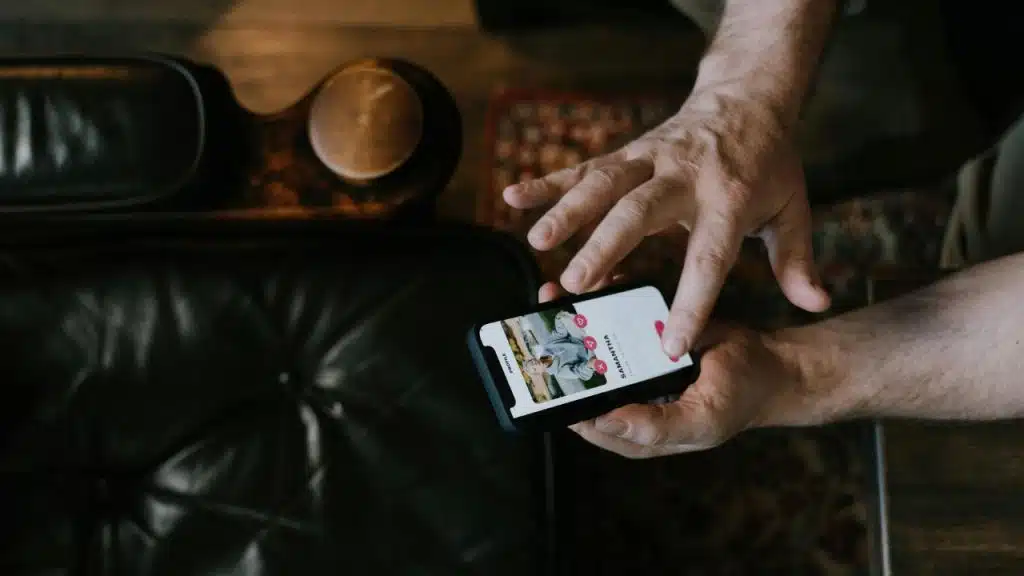
More profiles feels like more opportunity, but it also turns dating into constant comparison. When the next option is always a thumb-swipe away, it’s harder to feel confident in any choice. Even when a match is decent, the mind starts negotiating: “Maybe there’s someone slightly better two swipes from now.” That mindset doesn’t create clarity; it creates friction. It’s like browsing a menu for so long you’re no longer hungry—just annoyed.
“The algorithm can find your best match.”

Compatibility scores look scientific, but they’re not a guarantee of anything meaningful. Algorithms can sort for stated preferences and basic patterns, yet they can’t measure presence, humor, warmth, or how someone handles stress. Many platforms also optimize for engagement—keeping people active—because activity is their lifeblood. That doesn’t require great matches; it requires just enough hope to keep checking. A “high match” is often more like a promising lead than a reliable forecast.
“The app is built to get you into a relationship.”

Apps market outcomes, but businesses run on retention. If the average user pairs up quickly and leaves, that’s not a growth story. So the platform nudges behavior that keeps the loop spinning: more browsing, more messaging, more “just one more swipe.” That doesn’t mean you can’t meet someone great there. It does mean the system won’t always behave like a loyal friend who wants you off it.
“Just keep swiping and it’ll click.”

Swiping feels productive because it’s action, but it’s also a shallow decision made fast. Most of what matters long-term doesn’t show up in a photo set and three prompts. The faster the pace, the more people become interchangeable, and the easier it is to dismiss a potentially good fit. A steady stream of “almost” can make real connection feel rarer than it is. The swipe habit trains quick judgments, not strong decisions.
“Profiles tell the truth.”

A profile is marketing, even when someone is well-intentioned. Photos are chosen, angles are curated, and the bio is either polished or lazy—neither guarantees accuracy. Some people stretch the truth on age, lifestyle, or availability because the incentives reward attractiveness, not honesty. And even when everything is accurate, it’s still incomplete. A résumé can’t tell you what it’s like to work with the person.
“Everyone wants the same thing.”
Apps mix people who want marriage, casual dating, validation, attention, and a distraction from their own life. Some are clear about it; others aren’t honest even with themselves. “Open to a relationship” can mean “open if someone amazing shows up with zero effort required.” That mismatch creates a lot of the weirdness: hot starts, slow fades, and conversations that go nowhere. It’s not always personal—it’s often incompatible intent.
“Compatibility on paper equals chemistry.”

Shared interests and aligned values help, but they don’t replace in-person energy. Two people can match on lifestyle and still feel nothing across a table. Chemistry is partly timing, temperament, and how someone makes you feel in the moment. Apps can’t measure that well, so they lean on proxies like preferences and profile similarity. A strong match score can be a good reason to meet, not a reason to assume it will work.
“You can figure out chemistry over texting.”

Good texting can be real, but it can also be a mirage. Text removes tone, timing, and body language, and it gives everyone time to craft the best version of themselves. That’s fine for getting a baseline, but it’s not the same as a live conversation. Long messaging phases often build expectations faster than reality can support. If the in-person vibe is flat, all that clever banter turns into sunk cost.
“Apps save time.”

They can reduce the time spent finding candidates, but they can also add hours of low-value effort. Swiping, rewriting openers, managing multiple chats, and dealing with flakiness isn’t efficient—it’s just digital. Many men end up spending more time “dating” on the phone than actually going on dates. The process can feel like networking without the referrals. And unlike business networking, the ghost rate is impressive in a bad way.
“There’s always someone better.”
The endless feed teaches a quiet habit: never fully choose. Even after a good date, the app makes it easy to keep scanning for upgrades, like relationships are a product category. That can create a loop where nothing is ever good enough, even when it’s good. Standards matter, but the “upgrade mindset” isn’t the same as having standards. It’s just indecision dressed up as high taste.
“It’s just a fun game.”

The interface is playful on purpose, but outcomes still hit like outcomes. A match can raise hopes; silence can sting; repeated rejection can mess with mood and confidence. Treating it like a game doesn’t protect anyone from the emotional wear of constant evaluation. The dopamine loop is real: small rewards, unpredictable timing, and the urge to check “just in case.” It’s a slot machine that occasionally hands out a conversation.
“Paying for premium fixes it.”

Premium can improve visibility and give more tools, but it doesn’t change the quality of the pool or the reality of intent mismatch. Boosts can create a temporary spike, yet spikes don’t equal compatibility. Some platforms also create pressure by implying there are hidden likes or better matches behind the paywall. Sometimes that’s true, sometimes it’s just a nudge to spend. Paying can improve the funnel, not the outcome.
“Being ultra-picky is smart.”

Apps make pickiness feel logical because filtering is built into the experience. But rigid checklists can block real compatibility, especially when they focus on surface traits. When someone seems “almost right,” the app trains the brain to discard instead of explore. That’s convenient, but it can be self-defeating. A person can miss one preference and still be a strong fit where it counts.
“Ghosting is normal, so it doesn’t matter.”
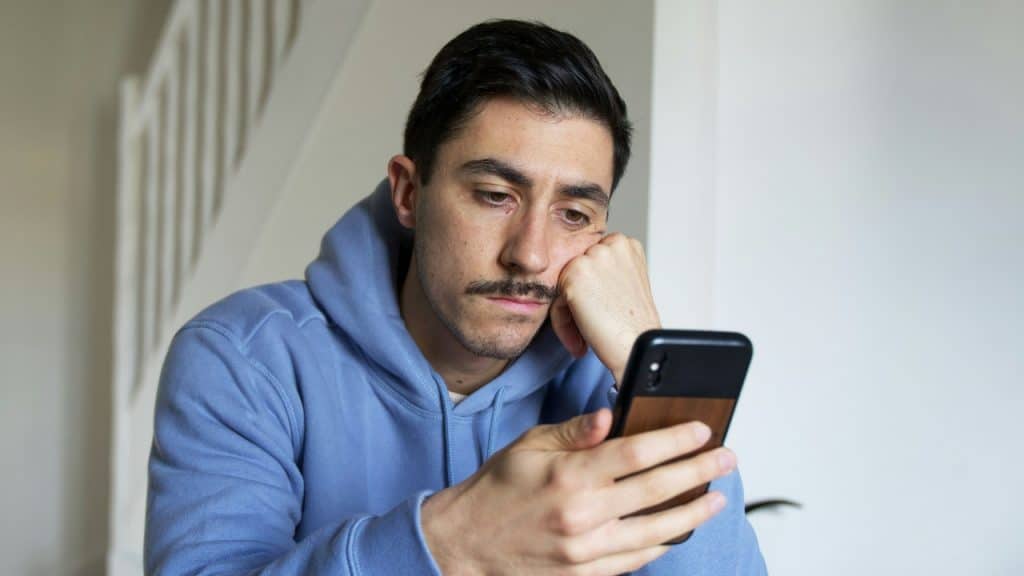
Ghosting is common, but that doesn’t make it harmless. It’s a short, sharp kind of disrespect that leaves the other person filling in blanks. Over time, it teaches people to expect disappointment and to keep emotional investment low. That creates colder behavior across the board, which then makes the app experience worse for everyone. “Normal” isn’t the same as “healthy,” even if the culture shrugs.
“The playing field is level.”

Dating apps aren’t a fair marketplace; they’re a high-competition attention economy. Many platforms amplify already-popular profiles, which concentrates attention on a smaller set of people. Men and women also tend to experience the environment differently: one major survey found 54% of women felt overwhelmed by messages, while 64% of men felt insecure about how few they received. That mismatch shapes behavior on both sides and creates frustration that feels personal. Often it’s math, not morality.
“Apps are the only real way to meet someone now.”
Online dating is common, but it’s not the default path for most couples. Another major survey found only about 1 in 10 partnered adults met their current partner through online dating, which means the majority still meet elsewhere. Apps are one channel, not the whole landscape. Treating them as the only option can make their ups and downs feel bigger than they are. The best approach is usually plural: apps plus real-world routines that naturally put good people in range.








Ask Me Anything