
Love does not usually disappear overnight. It fades in volume when life becomes repetitive and crowded with responsibilities. Many couples assume boredom means the relationship is failing, when it often means connection is no longer being protected. Routine is not the enemy by itself. The real issue is when routine replaces curiosity, play, and emotional presence. Attraction needs oxygen, and routine can accidentally remove it. This is why couples can love each other and still feel flat. These reasons explain how routine dulls romance and what is actually happening underneath.
The Routine Trap: When Life Starts Running the Relationship

Most couples do not choose to become boring; they become busy. Days fill up with work, errands, schedules, and screens, leaving little room for intimacy. When the relationship becomes one more task, emotional energy drops. People stop noticing each other and start managing life. That shift turns romance into logistics. Logistics are necessary, but they are not bonding. Without bonding, love feels quiet. Quiet love can still be real, but it needs deliberate care to stay alive.
The Disappearing Novelty Problem

Novelty fuels excitement because it creates fresh attention. Routine removes novelty, so the brain stops “lighting up” the same way. This does not mean the partner is less attractive. It means the environment has become predictable. Predictability can feel safe, but it can also feel dull if nothing new is introduced. When dates become the same place, the same talk, and the same timing, desire can flatten. Novelty does not require chaos. It requires change, surprise, and play. Without it, love can feel like a loop.
Life Gets Over-Scheduled and Connection Gets Left Behind

When calendars get full, connection often becomes optional. Couples start prioritizing obligations over quality time. The relationship becomes something that happens in between tasks, not something that gets protected. This can create emotional distance even while living together. It also creates a sense of being “together but not close.” Over time, partners can feel like coworkers running a household. Intimacy needs unhurried time. Without it, romance becomes rushed. Rushed love often feels boring.
Energy Drains Before Desire Does

Bored love is often tired love. Chronic stress, poor sleep, and constant pressure reduce emotional and physical interest. When the body is exhausted, affection can feel like effort. This creates a cycle where partners stop initiating and then feel rejected. The relationship becomes quieter not because attraction is gone, but because energy is gone. Many couples misinterpret fatigue as loss of love. In reality, the nervous system is overloaded. Desire often returns when rest and support return. Energy is a hidden ingredient of romance.
Conversations Become Logistics Instead of Intimacy

Many couples talk all day but do not connect. Conversations become schedules, bills, errands, and coordination. That kind of communication is necessary, but it does not build closeness. Without emotional conversation, partners stop feeling known. Feeling known is one of the biggest drivers of intimacy. When the relationship becomes only management, it starts feeling flat. Partners may still communicate constantly but feel emotionally alone. Emotional intimacy requires curiosity and real listening. Without that, routine feels like boredom.
The “Same Roles Every Day” Problem

Over time, partners can become fixed roles: provider, caretaker, planner, fixer, cleaner. Roles are useful, but they can dominate identity. When someone is only seen in a role, attraction can fade. It is hard to feel romantic toward someone who feels like a coworker. The relationship begins to feel transactional. Partners may stop seeing each other as individuals with depth and mystery. Mystery is not secrecy; it is ongoing discovery. When roles become rigid, discovery stops. When discovery stops, love can feel boring.
Screens Replace the Small Moments That Build Romance

Many couples lose romance to invisible habits. Phone scrolling, streaming, and constant notifications steal micro-moments of connection. Those micro-moments are where affection usually grows: eye contact, teasing, talking, and small touch. When screens fill the quiet spaces, closeness gets crowded out. Partners start feeling less noticed. Being physically present is not the same as being emotionally present. Routine plus screens creates a quiet disconnect. Over time, intimacy feels harder to access. Love can feel boring because attention is elsewhere.
The Relationship Stops Feeling Chosen

Early love feels intentional. Later love can start feeling assumed. When effort becomes automatic and unspoken, partners stop feeling actively chosen. Feeling chosen is not about grand gestures. It is about consistent attention, appreciation, and pursuit. Without those signals, the relationship feels like default living. Default living can feel emotionally flat. People want to feel desired, not just included. Routine can remove the signals that make someone feel special. When specialness fades, boredom grows. The fix is intentionality, not intensity.
Avoiding Conflict Creates Emotional Distance

Some couples become routine-driven because they avoid hard topics. They keep things “fine” to preserve peace. But unspoken issues create low-grade tension. That tension reduces playfulness and closeness. Partners may stop being vulnerable because it feels risky. Emotional distance then looks like boredom. In reality, it is self-protection. Conflict avoidance often looks mature, but it can block intimacy. Honest repair creates closeness. Without repair, routine becomes emotional silence.
Sex Becomes Scheduled, Predictable, or Pressured

Intimacy can turn into a routine too. When sex becomes predictable or pressured, it can feel like another task. Desire often needs emotional warmth and novelty. If affection is rare during the day, intimacy at night can feel disconnected. Some partners stop initiating to avoid rejection. Others initiate with frustration, which creates pressure. Either way, the vibe shifts from playful to performance-based. Routine intimacy can be comforting, but it can also become stale. The goal is connection, not just frequency.
One Partner Carries the Mental Load

When one person manages everything, resentment builds. Resentment is a desire killer. It turns romance into frustration and exhaustion. The overloaded partner often feels unseen and unsupported. The other partner may not notice the imbalance until distance becomes obvious. Routine makes imbalance worse because it repeats daily. Over time, the relationship feels like work, not partnership. When partnership feels unfair, affection cools. Fairness is not a romantic concept, but it protects romance. Balanced effort keeps love lighter.
The Relationship Stops Having “New Chapters”

Some couples live the same year repeatedly. The same weekends, the same habits, the same conversations. Without new chapters, the relationship feels stagnant. New chapters do not require huge changes. They can be new goals, shared hobbies, or fresh experiences. Growth creates shared meaning. Meaning makes love feel alive. Without growth, love can feel like repetition. Repetition can feel safe, but it can also feel dull. Couples need movement, not just maintenance.
Small Disappointments Stack Into Emotional Flatness

Boredom can be disguised disappointment. Little moments of feeling ignored, dismissed, or unappreciated stack over time. The partner may stop bringing it up because it feels pointless. That creates emotional numbness. Numbness looks like boredom but feels like detachment. Detachment protects someone from hope and hurt. Routine makes these disappointments repeat quietly. The relationship starts feeling less emotionally rewarding. When emotional reward drops, effort drops too. That is how love goes flat without a big crisis.
Individual Identity Shrinks, and Attraction Shrinks With It
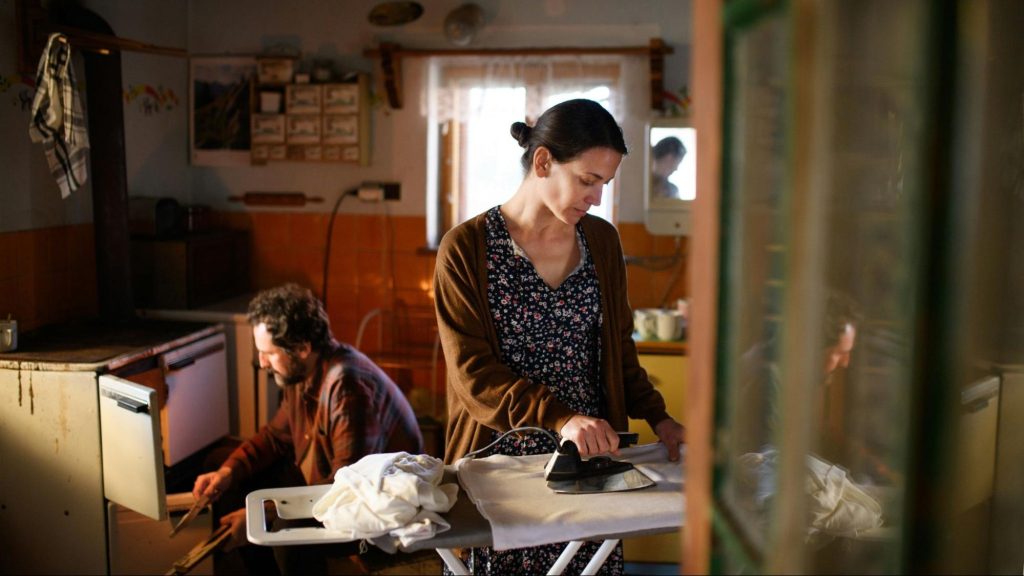
People often lose themselves in routine. They stop doing hobbies, seeing friends, and growing as individuals. When identity shrinks, energy shrinks. Attraction often thrives when both partners feel alive as individuals. A relationship needs two full people, not two exhausted roles. When personal growth stops, the relationship can feel stale. It becomes difficult to bring fresh energy into the bond. Individual vitality feeds couple vitality. Routine can quietly drain personal vitality. Then love feels boring because life feels boring.
Touch and Playfulness Fade Out

Many couples stop touching casually. They stop teasing, flirting, and being playful. Without play, the relationship feels serious and heavy. Touch is not only sexual; it is an emotional connection. Playfulness signals safety and closeness. Routine often makes people efficient, not affectionate. Efficiency is useful, but it is not romantic. When play disappears, love can feel dull. Many couples wait for vacations to feel playful again. The best move is small daily play.
Appreciation Gets Replaced by Assumption

When people assume love is understood, they stop expressing it. The absence of appreciation makes effort feel invisible. Over time, one or both partners stop trying because it feels unrewarded. Appreciation does not need to be dramatic. It needs to be specific and consistent. Routine makes people forget to acknowledge what their partner does. That silence can be interpreted as being taken for granted. Feeling taken for granted cools desire. Appreciation is emotional fuel. Without fuel, love feels flat.
Tips: How to Make Routine Feel Romantic Again

Routine becomes romantic when it includes intention. Protect one weekly connection ritual that is not about chores or logistics. Add small novelty: a new place, a new question, a new shared activity. Bring back daily touch and playful moments, even for thirty seconds. Reduce screen time during key connection windows like meals and bedtime. Make appreciation specific and frequent, not vague. Address small issues early so they do not harden into distance. Romance is built in small habits, not only big plans.
Tips: How to Know if It’s Boredom or Disconnection

Boredom often improves with novelty and shared experiences. Disconnection often requires deeper repair and emotional conversation. Notice whether quality time restores warmth or whether it still feels distant. Pay attention to whether there is unresolved resentment or avoidance. Look at emotional safety: can both partners share needs without conflict spiraling? Also check energy levels, stress, and sleep, because fatigue can mimic loss of love. If affection returns after rest and connection, it was likely routine dullness. If affection stays absent despite effort, deeper issues may be present. Honest check-ins reveal the difference faster than guessing.
Routine Does Not Have to Kill the Spark
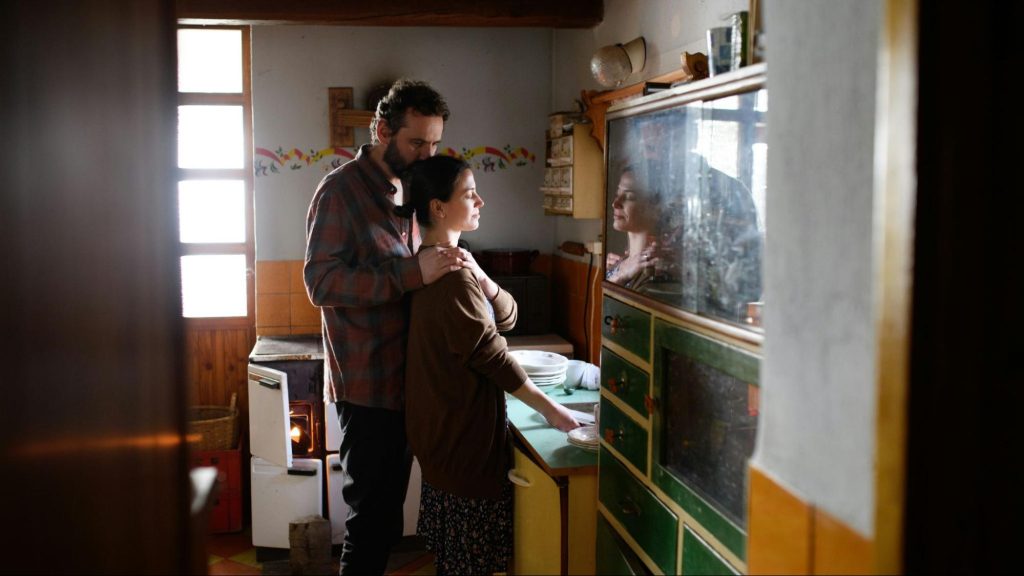
Routine can make love feel boring, but it does not have to. Most couples lose spark because life becomes repetitive and connection becomes unprotected. The good news is that boredom is often a signal, not a sentence. Small changes in attention, novelty, and emotional presence can bring warmth back quickly. Romance is not only a feeling; it is a habit. Habits can be rebuilt. When partners feel chosen, appreciated, and emotionally safe, desire usually returns. Love thrives when it is treated as something to grow, not something to assume. Routine can be the foundation of stability. But connection is what keeps it alive.








Ask Me Anything