
You meet someone, and there’s this pull. You see their potential, what they could be if they just worked through a few things. Maybe they’ve been hurt before, maybe they’re dealing with something heavy, and you think, “I can help with this.” But here’s what nobody tells you. Love isn’t a repair kit. It’s not some magical force that rewires someone’s brain or undoes years of patterns they’ve built up. You can care about someone deeply and still watch them stay exactly where they are.
And the worst part? While you’re pouring everything into trying to “save” them, you’re the one who ends up losing the most. Your energy, your time, your sense of self. It all gets funneled into this project that was never yours to complete.
There Are People Out There Who Will Treat You Better

When you’re caught up trying to fix someone, you don’t even notice the opportunities passing you by. There are people out there who’ve already done their work, who won’t need you to play savior. But you’ll never meet them if you’re too busy being someone’s emotional contractor.
And yeah, it feels noble at first. Like you’re being loyal, patient, and understanding. But what you’re really doing is settling. You’re accepting a one-sided dynamic and calling it love, when really it’s you doing all the heavy lifting while they coast along.
You’ll Lose Touch With What Real Partnership Feels Like

Partnership means two people showing up equally. It means sharing responsibilities, supporting each other, and taking turns being the strong one when life gets messy. But when you’re trying to fix someone, that balance never exists. You become the giver, the fixer, the one who always has to be “on,” and they become the person who takes without ever giving back.
Over time, you forget what it feels like to be met halfway. You start thinking this is what relationships are supposed to be. Exhausting, one-sided, full of excuses. And when someone eventually treats you with actual reciprocity, it’ll feel foreign.
They’ll Start Using You as a Crutch

At first, they might lean on you a little, and that feels fine, even sweet. But then it becomes their default. Instead of working through their problems, they offload them onto you. You become the person they call when things fall apart, the one who talks them down, the one who fixes what they won’t fix themselves.
The problem is, crutches don’t help people heal. They prevent them from learning how to walk on their own. So while you think you’re helping, you’re actually enabling them to stay stuck. And they’ll keep using you as long as you let them.
Their Dependence Becomes Your New Normal

Once someone gets used to leaning on you, it’s hard to break that pattern. Their dependence stops feeling like a phase and starts feeling like the relationship itself. You can’t make plans without considering their emotional state. You can’t have a bad day because they need you to be strong.
And the scary part? You might not even realize it’s happening. It creeps in slowly. One crisis at a time, one conversation at a time until you’re completely consumed by it. By the time you notice, you’ve already lost yourself in the process.
Things Are Off-Balance From Day One

When you start a relationship with someone who needs “fixing,” the imbalance is baked in from the beginning. You’re already in the role of helper, and they’re already in the role of the one who needs help. That power dynamic doesn’t go away. It only gets stronger.
And sure, you might tell yourself it’ll balance out eventually. “Once they get through this, things will be different.” But that day never comes, because the relationship was built on this dynamic. Changing it would mean dismantling everything you’ve created together.
The Dynamic Slowly Erodes Mutual Respect
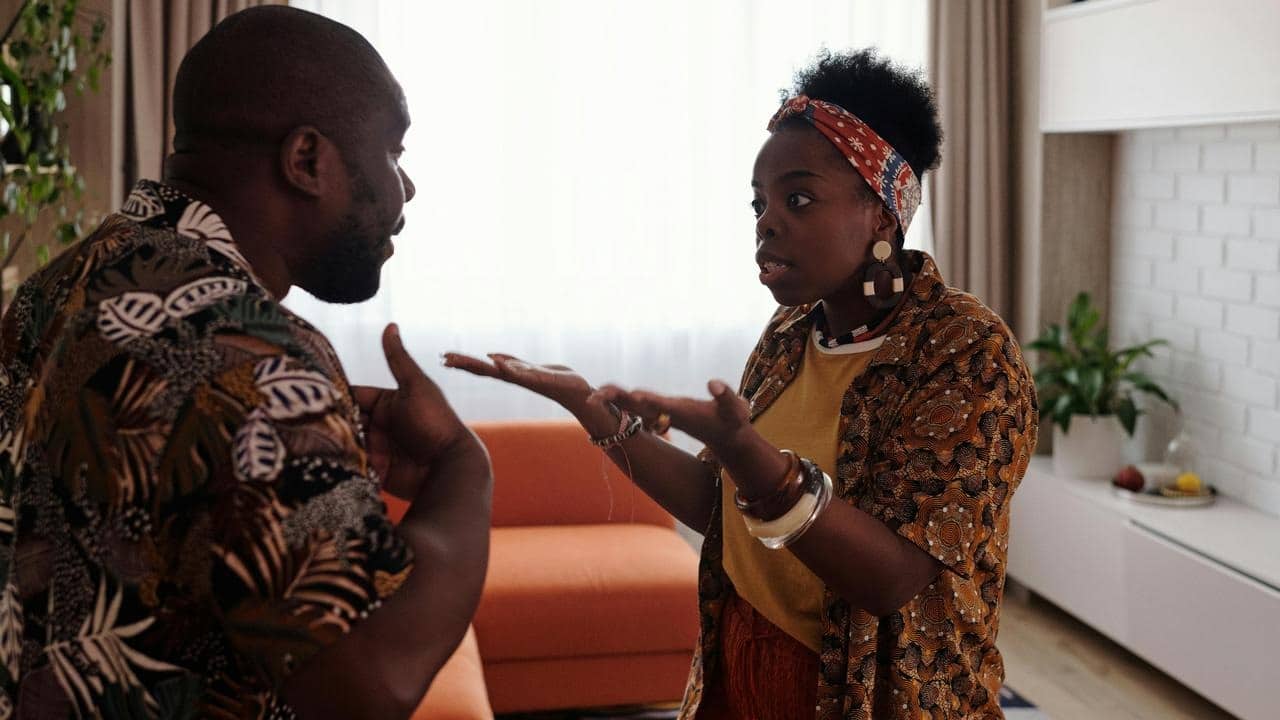
When you’re always the one solving problems, making sacrifices, and holding things together, respect starts to slip. Not all at once. It’s subtle. But over time, they stop seeing you as an equal. You become the person who “handles things,” the one who’s always got it together, the one who’ll clean up their messes.
Meanwhile, you start losing respect for them, too. You see how they avoid responsibility, how they fall back on the same excuses, how they could change but choose not to. And once mutual respect is gone, what’s left?
You’ll Start Feeling Taken for Granted
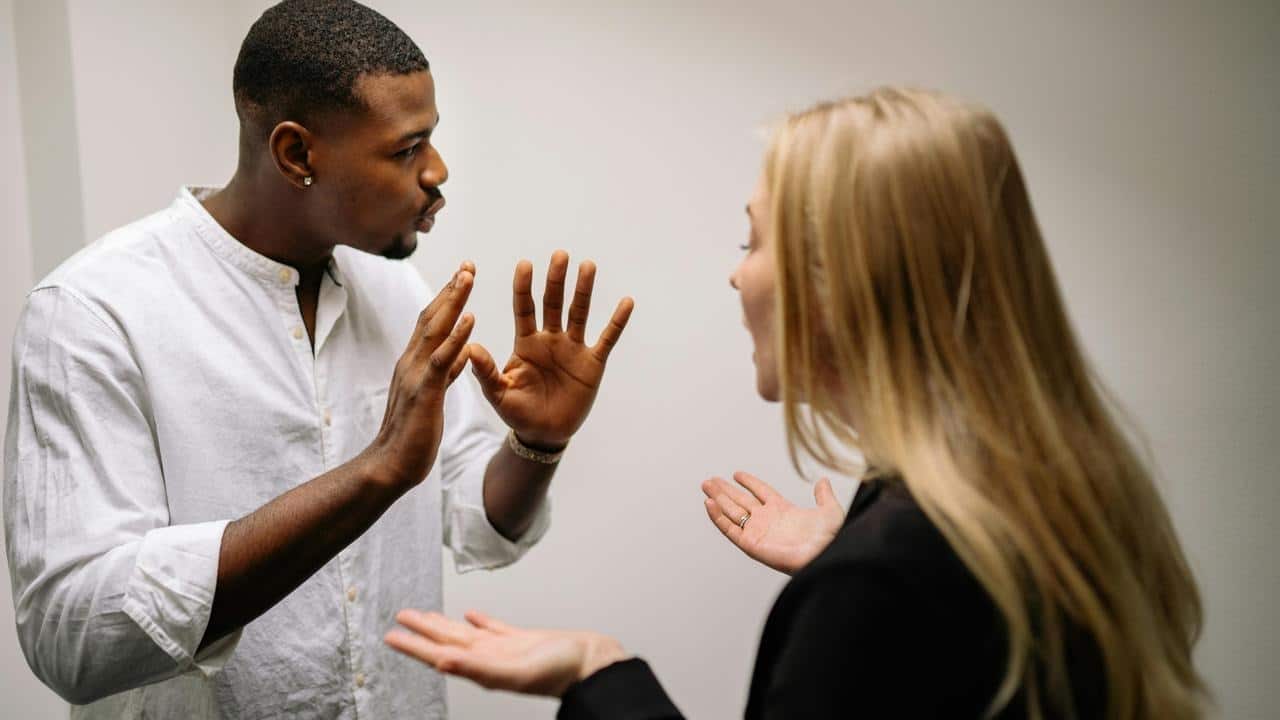
There’s a point where your effort becomes expected rather than appreciated. They stop thanking you for being patient, for listening, for picking up their slack. And when you do need something? When you’re the one falling apart? They won’t know how to show up for you, because they’ve never had to before.
That’s when the loneliness really hits. You realize you’ve been giving and giving and giving, and there’s nothing coming back. You’re not seen, not valued, not even noticed half the time. You’re taken for granted in the most painful way possible.
Your Personal Development Takes a Backseat

While you’re focused on someone else’s growth, yours gets put on hold. You stop pursuing your goals because their crisis always takes priority. You stop investing in yourself because all your energy goes to them. Your hobbies, your friendships, your career. Everything takes a backseat to the project of fixing them.
And what’s worse, they’re not asking you to do this. You’re choosing it. You’re sacrificing your own progress for someone who may never even get better. So while they stay the same, you’re stuck in place, watching your own potential slip away.
You’ll Carry Burdens That Were Never Yours

Their trauma, their insecurities, their unresolved issues. They all become your problem. You start carrying emotional baggage that you didn’t pack, that you didn’t choose, that you have no business hauling around. Your brain is constantly occupied by someone else’s mess.
And the worst part? They’re not carrying yours. When you have a hard day, when you need support, they’re either unavailable or incapable of giving it. The exchange is completely lopsided, and you’re the one paying the price.
You Lose Sight of the Actual Person You’re Dating

At some point, you stop seeing them as a whole person and start seeing them as a problem to solve. You’re so focused on their flaws, their issues, their “potential” that you miss who they actually are. And maybe who they are isn’t someone you’d even want to be with if you saw them clearly.
You’ve built this entire fantasy version of them in your head. The person they could be if they changed. And you’re in love with that fantasy, not the reality. Meanwhile, the real person is still doing the same things, making the same mistakes, refusing to grow.
The Mental Load Will Drain You Completely

Managing someone else’s emotional life on top of your own is unsustainable. You’re constantly strategizing. “How do I bring this up without upsetting them? When’s the right time to talk about this?” Your brain never gets a break because you’re always three steps ahead.
And this mental labor is invisible. They don’t see it, they don’t appreciate it, and they definitely don’t reciprocate it. You’re running yourself into the ground trying to keep everything afloat, and they’re oblivious to the effort.
Resentment Builds Without You Realizing It

You think you’re fine. You think you’re being patient and understanding. But underneath, resentment is piling up. Every time they cancel plans because they’re “not in the right headspace.” Every time they make the same mistake you’ve addressed a hundred times. It adds up.
And by the time you notice, it’s already poisoned everything. You can’t even do nice things for them anymore without feeling bitter about it. What started as love has curdled into frustration, anger, and regret.
You Might Confuse Pity With Genuine Affection

Sometimes what feels like love is actually pity dressed up in softer language. You feel bad for them. For what they’ve been through, for how they struggle. And you mistake that sympathy for romantic feelings. But pity isn’t a foundation for a relationship.
And they can feel it too. Nobody wants to be someone’s charity case, but that’s exactly what this becomes. You’re staying because you feel sorry for them, not because you’re actually happy.
It Becomes About Proving Something to Yourself

Maybe you want to prove you’re patient enough, loyal enough, strong enough. Maybe you want to be the one who succeeds where others failed. Whatever the reason, this stops being about them and starts being about your ego.
You’re more invested in the outcome than in the actual relationship. You’re using another person’s life as a proving ground for your own self-worth, and that’s not love. You deserve more than that, and you know it deep down.
What You Need Gets Pushed Aside

Your needs become negotiable. Your feelings become secondary. Your boundaries become suggestions that get ignored whenever they’re inconvenient. Because in a dynamic like this, there’s only room for one person’s issues, and it’s never yours.
And over time, you forget what it’s like to have needs at all. You become so used to deprioritizing yourself that it feels selfish to ask for anything. And when you do, it backfires right in your face.
They Refuse to Change For The Better

You can want it for them all you want. You can encourage, support, suggest, or plead. But if they’re not willing to do the work, none of it matters. Change doesn’t happen because someone loves you hard enough. It happens because you decide you’re ready and willing to put in the effort.
So you’re left waiting for a transformation that’s never coming. You keep giving them chances, making excuses, convincing yourself that this time will be different. But it won’t be.
You Become Their Therapist Instead of Their Partner

You’re not trained to fix people. You’re not equipped to handle deep-seated trauma, mental health issues, or patterns that need professional intervention. But when you’re in this role, you end up playing therapist anyway. Listening to the same stories, offering the same advice, absorbing the same pain over and over again.
Therapists get paid, and they get to go home at the end of the session. You? You’re on call 24/7, emotionally drained, and getting nothing in return except more problems to solve. That’s not a relationship. That’s unpaid labor with a side of emotional burnout.








Ask Me Anything