
Marriage after 40 isn’t about grand romantic gestures or dramatic makeups anymore. It’s about emotional efficiency, mutual respect, and knowing which battles are simply not worth the energy. By this stage of life, most couples aren’t trying to “win” the relationship—they’re trying to protect their peace, their health, and their shared future.
The happiest long-term marriages often run on quiet, unspoken agreements that rarely get discussed but deeply matter. These rules aren’t flashy, but they’re powerful. And once you see them, you’ll start noticing how much calmer your marriage can feel when you actually follow them.
1. Pick Peace Over Being Right

After 40, constantly proving a point starts to feel exhausting instead of satisfying. Peaceful couples learn that being “right” rarely improves the relationship—it usually just escalates tension. They pause and ask themselves whether this argument will matter next week, next month, or next year. Most of the time, it won’t. Choosing peace doesn’t mean suppressing your needs; it means knowing when to let ego step aside so connection can stay intact.
2. Don’t Keep Score on Who Does More

Healthy marriages quietly retire the mental spreadsheet. Couples who last stop counting chores, favors, and sacrifices like a competition. Life ebbs and flows—some weeks one partner carries more, other weeks it reverses. When you trust that effort balances out over time, resentment has far less room to grow. Peace comes from teamwork, not tally marks.
3. Handle Problems Privately, Not Publicly

Long-married couples understand that venting to friends, family, or social media can quietly damage trust. They keep conflicts inside the relationship or with a neutral professional. Public complaints may feel validating in the moment, but they often harden positions and invite outside judgment. Protecting your marriage’s privacy protects its dignity. What stays between you builds safety.
4. Assume Good Intentions First

After decades together, it’s easy to interpret mistakes as personal slights. Peaceful marriages actively resist that habit. They pause before reacting and ask, “Is it possible this wasn’t intentional?” Giving your partner the benefit of the doubt lowers defensiveness and invites calmer conversations. Most issues soften immediately when intent isn’t automatically assumed to be malicious.
5. Respect Each Other’s Need for Space

Time apart isn’t a threat—it’s maintenance. Couples who thrive after 40 allow each other hobbies, friendships, and quiet time without guilt. They understand that individuality keeps attraction alive and resentment low. Closeness feels better when it’s chosen, not enforced. Space creates breathing room for appreciation to return.
6. Don’t Rehash Old Arguments

Peaceful couples don’t keep dragging old battles into new disagreements. They understand that revisiting past conflicts rarely leads to resolution—it just reopens emotional wounds. Once something is resolved, it stays in the past. This rule alone prevents countless unnecessary blowups. Forward motion requires letting old chapters stay closed.
7. Speak Calmly, Especially When It’s Hard

Tone matters more than content in long-term marriages. Couples who last learn that how something is said often determines how it’s received. Raised voices and sarcasm may release frustration, but they erode safety. Calm speech keeps discussions productive instead of combative. Emotional regulation becomes a relationship superpower.
8. Protect Sleep at All Costs

Exhaustion turns small issues into major conflicts. Peaceful couples prioritize rest and understand that tired people argue worse. They avoid late-night confrontations and choose to revisit issues after sleep. This simple rule prevents countless unnecessary fights. A well-rested marriage is a calmer marriage.
9. Don’t Try to “Fix” Every Complaint

Sometimes your partner wants empathy, not solutions. Long-married couples learn to ask, “Do you want advice or just support?” Jumping into problem-solving can feel dismissive. Listening without fixing often defuses tension faster. Feeling understood matters more than feeling corrected.
10. Keep Criticism Specific and Short

Vague or global criticism breeds defensiveness. Peaceful couples address issues clearly and briefly, without character attacks. They focus on behaviors, not personality flaws. This keeps conversations constructive instead of emotionally damaging. Precision prevents escalation.
11. Let Small Annoyances Go

Not everything deserves a conversation. Couples who stay peaceful understand that minor irritations are part of sharing a life. They mentally discard what doesn’t truly matter. Saving emotional energy for real issues keeps the relationship lighter. Constant nitpicking slowly poisons goodwill.
12. Show Appreciation Out Loud

Gratitude doesn’t age out of marriage—it becomes more important. Peaceful couples regularly acknowledge effort, even for things that feel routine. Feeling seen reduces defensiveness and increases generosity. Appreciation acts as emotional lubrication for daily life. What gets acknowledged gets repeated.
13. Avoid Ultimatums Unless You Mean Them

Ultimatums create fear, not cooperation. Long-term couples use them sparingly and only when boundaries truly matter. Empty threats erode trust and credibility. Peace comes from honest communication, not emotional pressure. Say what you mean—and mean what you say.
14. Accept That You’ll Never Fully Change Each Other

Trying to remodel your partner after decades together is a losing game. Peaceful marriages shift from control to acceptance. They focus on adapting rather than correcting. Letting go of unrealistic expectations frees both people. Acceptance often creates the change control never could.
15. Protect the Friendship, Not Just the Partnership

Romance evolves, but friendship sustains. Couples who remain peaceful invest in shared laughter, inside jokes, and everyday companionship. They talk about more than logistics and responsibilities. Friendship acts as a buffer during stressful seasons. When friendship is strong, conflict feels less threatening.
16. Address Issues Early, Not Explosively

Avoidance doesn’t equal peace—it just delays tension. Calm couples speak up early, before resentment builds. Small conversations prevent big blowups. They treat communication as routine maintenance, not emergency repair. Early honesty keeps emotions manageable.
17. Remember You’re on the Same Side
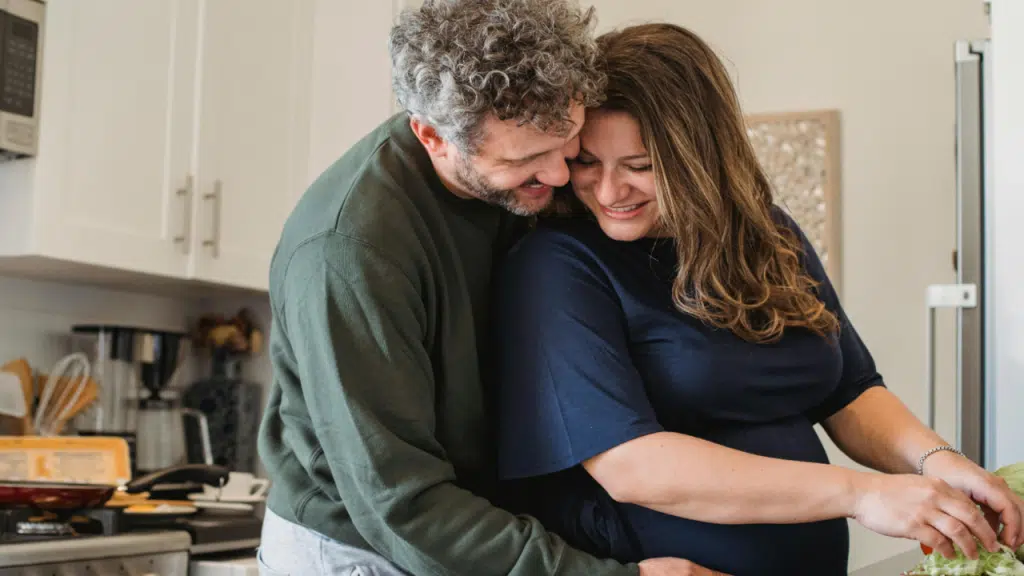
The most peaceful marriages operate from a shared mindset: it’s us versus the problem, not me versus you. This mental shift changes everything. Conflict becomes collaborative instead of adversarial. When both partners feel like allies, resolution comes faster—and with far less damage.








Ask Me Anything