
You can be handling everything and still feel like you’re barely visible. Bills are paid, problems get solved, long-term plans stay intact, and crises get managed before they spread. Life runs smoothly, which ironically makes your effort easier to overlook. Your role slowly gets reduced to reliability, not depth. This list breaks down the everyday ways a man’s importance gets downplayed. Ironically, many of these only become visible after burnout, withdrawal, or separation. By then, what felt ordinary suddenly feels irreplaceable.
His Financial Pressure Gets Treated Like “Just His Job”

When you consistently provide, people stop seeing the pressure behind it. The paycheck becomes routine, but the mental load never is. You are thinking about layoffs, investments, school fees, retirement, and emergencies all at once. Risk sits in the background even on calm days. When that pressure gets framed as basic responsibility, appreciation fades fast. Many men do not want applause, but they do want acknowledgment that provision carries weight beyond numbers in a bank account.
His Sacrifices Become “Bare Minimum”

Long hours, career compromises, relocations, and delayed personal goals slowly get normalized. What once felt like a sacrifice starts getting treated like standard duty. Over time, the effort behind those decisions disappears from conversation. You begin to wonder if anyone remembers what you traded to build stability. Resentment often starts quietly in this phase, not loudly.
Problem-Solving Goes Unnoticed

You fix things before they become crises. Bills get handled, leaks get repaired, logistics get planned, and safety gets managed quietly. Because problems rarely explode, it looks like life just runs smoothly on its own. Appreciation often shows up only when you stop stepping in. Then the gap becomes obvious. Being the one who anticipates issues is a heavy mental role, even if it looks invisible from the outside.
His Emotional Support Isn’t Labeled As Emotional Labor

Men often support differently from women, but support is still happening. You listen to stress, absorb tension, and stay steady during emotional storms. You may not use long verbal processing, yet you hold space through presence and problem-solving. That steadiness creates a sense of safety in the relationship. When it goes unnamed, it feels like giving strength without receiving understanding in return.
Respect Drops During Conflict

Disagreements reveal the respect level in a relationship fast. Tone shifts, sarcasm appears, and criticism becomes more personal than productive. Public correction or dismissive language hits deeper than many women realize. For men, respect and love are tightly connected. When respect feels conditional, emotional distance usually follows close behind.
Physical Intimacy Becomes Secondary

Sex is not just a physical release for most men in long-term relationships. It reinforces connection, reassurance, and emotional closeness. When intimacy becomes rare, scheduled, or treated like an obligation, it sends a message beyond the bedroom. Many men interpret it as rejection, not inconvenience. Over time, that disconnect affects confidence and emotional openness.
Comparison Replaces Appreciation

Nothing drains motivation faster than being measured against other men. Friends’ husbands, social media couples, or past partners become silent competitors. Even casual comparisons land heavily. Instead of feeling valued for what you do provide, you feel evaluated for what you do not. Appreciation builds loyalty. Comparison builds quite a lot of frustration.
His Stress Gets Minimized

Men often express stress differently. Silence, irritability, or withdrawal replace long conversations. Because it does not look expressive, it gets taken less seriously. Yet internal pressure still builds. When stress goes unacknowledged, many men stop sharing altogether and handle it on their own.
His Authority Gets Undermined

Partnership requires shared decision-making, but constant override creates tension. When your input gets dismissed in financial, parenting, or logistical matters, it sends a clear signal about trust. Leadership inside a family is not about control. It is about responsibility. When responsibility stays, but authority disappears, frustration rises quickly.
Acts Of Service Go Unseen

You drive, repair, maintain, check locks, manage yard work, and handle safety tasks. Much of this work prevents problems rather than creating visible results. Because nothing breaks, nobody notices the effort. Preventive responsibility rarely gets praise, yet it carries real-time and energy costs.
He’s Expected To Be The Rock Always
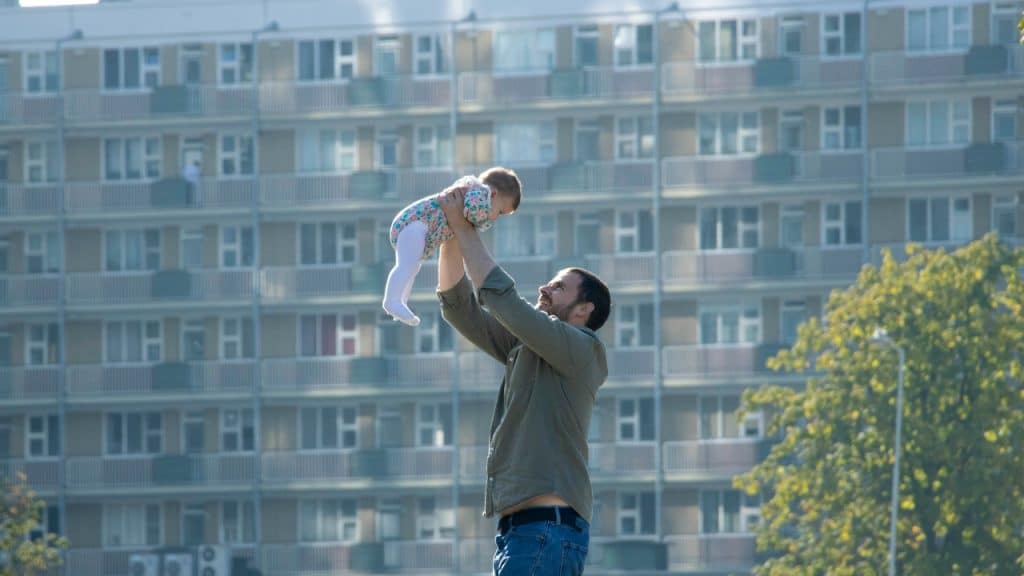
Men are often leaned on for strength, stability, and solutions. Friends, family, and partners expect steadiness regardless of circumstance. But where does he go when he feels uncertain or exhausted? When there is no room to struggle, pressure compounds internally. Even the strongest men need space to be human.
Public Praise Is Rare

Many men notice they get criticized publicly but appreciated privately, if at all. Jokes at their expense, complaints among friends, or social media venting create embarrassment. Public respect matters deeply to male identity. Gratitude spoken in front of others carries lasting weight.
His Need For Peace Gets Misread

When men seek solitude, hobbies, or quiet, it is often recovery, not avoidance. Silence helps process pressure and restore mental clarity. When that need gets labeled as disengagement, conflict increases. Space can be connection-preserving, not connection-threatening, when understood correctly.
Loyalty And Stability Become Invisible

Faithfulness, consistency, and presence feel ordinary when they are constant. Yet those traits form the backbone of long-term relationships. Many men remain committed despite temptation, stress, and opportunities without recognition. Stability rarely gets celebrated because it lacks drama.
His Absence Reveals Everything

Nothing clarifies contribution like absence. Separation, illness, travel, or divorce suddenly expose the roles he filled daily. Logistics feel heavier. Safety feels thinner. Emotional steadiness feels missing. What once looked automatic now looks irreplaceable, often too late to communicate its meaning.








Ask Me Anything