
Relationships don’t usually unfold the way people expect. They tend to be messier, more repetitive, and more familiar than we admit. The interesting part is that many of those moments you thought were uniquely yours are actually shared by a large portion of the country. Dating highs, awkward transitions, long relationships, and painful endings show up again and again in real survey data. When you step back and look at the numbers, patterns start to appear. This isn’t about judging how relationships should go—it’s about understanding how they usually do.
Been on a Date

Dating is one of the most common shared experiences in American life. Nearly nine out of ten adults report that they’ve gone on a date at some point. That includes everything from casual coffee meetups to more serious attempts at connection. It’s not always romantic, and it’s often awkward, but it’s where most relationship stories begin. Even people who don’t enjoy dating much usually have at least a few memorable ones. Some good, some forgettable, and a few best left unmentioned.
Felt Romantic Love

Feeling romantic love is something the vast majority of Americans say they’ve experienced. That doesn’t mean it looked the same for everyone or lasted forever. For some, it was intense and short-lived. For others, it grew slowly over time. What’s consistent is that love tends to leave a mark, whether it worked out or not. It’s one of those experiences people recognize immediately when it happens, even if they struggle to explain it later.
Had Sex

Sex is another experience shared by most adults in the U.S., and it shows up across different types of relationships. For some, it’s tied closely to commitment and emotional connection. For others, it happens earlier or more casually. Either way, it’s often treated as a milestone, even when people pretend it’s not. It also tends to influence how relationships move forward, for better or worse. Few people are truly neutral about it.
Been in a Romantic Relationship

Beyond dating and attraction, most Americans report having been in an actual romantic relationship. That usually means some level of exclusivity and emotional investment. These relationships can last months or years, and they often shape expectations going forward. People tend to learn what they tolerate, what they value, and what they won’t repeat. Even short relationships can leave behind lasting lessons. Not all of them are pleasant.
Been Told “I Love You”

Being told “I love you” can feel affirming, overwhelming, or complicated depending on the timing. A large portion of Americans say they’ve heard it from a partner. Sometimes it lands perfectly. Other times, it creates pressure or confusion. It’s one of those phrases that carries more weight than people expect. Even when relationships end, many people remember the first time they heard it.
Told Someone “I Love You”

Saying “I love you” yourself is a different experience altogether. It requires vulnerability and a bit of risk, whether it’s said early or after years together. Many Americans report being on this side of the moment as well. Sometimes it’s reciprocated right away. Sometimes it isn’t. Either way, it tends to change the tone of a relationship. There’s rarely a rewind button.
Experienced a Breakup

Breakups are common, even though people often feel alone during one. A large majority of Americans say they’ve ended a relationship at some point. Ending things can bring relief, guilt, or doubt—sometimes all at once. Even when it’s the right decision, it can still hurt. Breakups tend to reshape how people approach future relationships. They’re rarely clean, no matter how mature everyone involved tries to be.
Been Broken Up With

Being broken up with hits differently. Many Americans report being on the receiving end of a breakup, and it often lingers in memory longer. There’s less control and usually fewer answers. People replay conversations and wonder what they missed. Even confident, accomplished adults aren’t immune to this one. It’s a reminder that relationships don’t always end on your terms.
Lived With a Partner

Living together is a practical step that many couples take, and a large share of Americans have done it. Sharing space brings out habits, routines, and stress points that dating doesn’t always reveal. It can strengthen a relationship or quietly expose its limits. Small things start to matter more, like money, chores, and downtime. It’s often when the idea of “us” becomes very real—or very strained.
Been Married

Marriage remains a common experience, even as attitudes around it continue to shift. Many Americans report having been married at least once. For some, it’s a long-term partnership that works. For others, it’s a chapter that eventually closes. Marriage tends to amplify both strengths and problems in a relationship. It’s less about the ceremony and more about the day-to-day reality that follows.
Been Cheated On
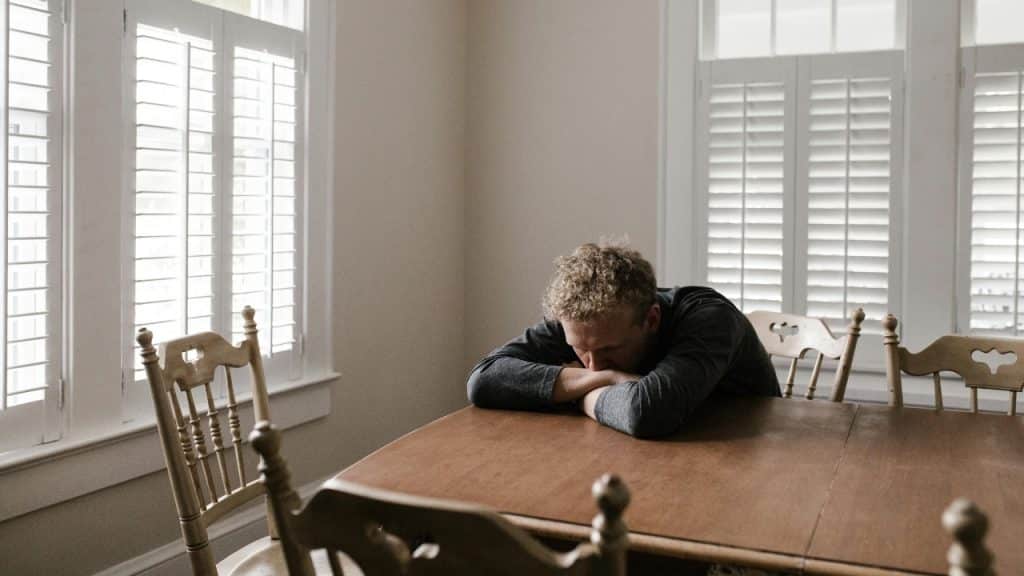
Infidelity is more common than people like to admit. Over half of Americans say a partner has cheated on them. That experience often reshapes trust moving forward. Even years later, it can influence how someone interprets behavior in new relationships. Being cheated on doesn’t just affect romance—it can affect confidence and decision-making. It’s one of the hardest experiences to fully move past.
Cheated on Someone

On the other side of that experience, many Americans also admit to cheating at some point. The reasons vary, and they’re rarely simple. Some people regret it immediately. Others rationalize it at the time and reflect later. Either way, it often leads to consequences, whether internal or external. It’s an experience that tends to force uncomfortable honesty.
Had a One-Night Stand

One-night stands are another shared experience, especially earlier in adulthood. A noticeable portion of Americans report having had one. Sometimes it’s impulsive. Sometimes it’s planned. The emotional impact ranges from forgettable to surprisingly complicated. Despite how casually it’s discussed, it often leaves people with more thoughts than they expected the next day.
Been in a Long-Distance Relationship

Long-distance relationships are common, especially in a mobile, career-driven culture. Many Americans say they’ve tried to make one work. These relationships rely heavily on communication and trust. They can feel intense and exhausting at the same time. Some survive the distance. Others don’t. Either way, they test patience more than most people anticipate.
Had an On-Again, Off-Again Relationship

On-again, off-again relationships are more common than people like to admit. A significant number of Americans have gone back to the same partner more than once. Familiarity, comfort, and unresolved feelings tend to pull people back in. These relationships often end the same way they restart—slowly and with mixed signals. They’re easy to recognize from the outside and harder to walk away from on the inside.








Ask Me Anything