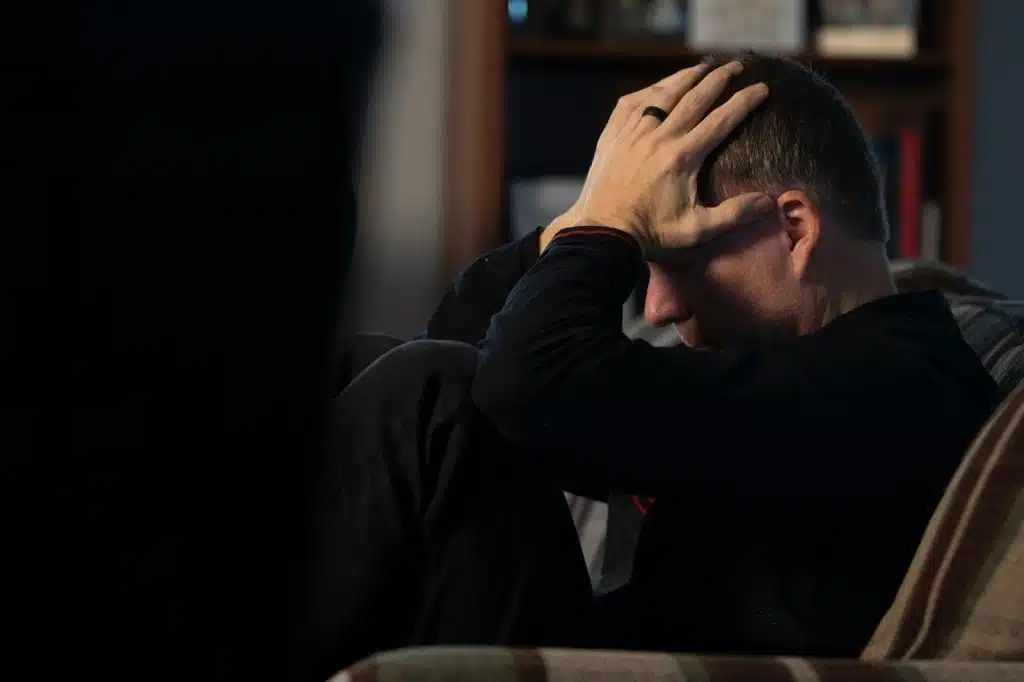
Staying, trying, or letting go is not just a relationship phase. It is a full mental workout that hits different when you are older, more self-aware, and less interested in wasting time. You start asking harder questions. You notice patterns you used to ignore. You weigh peace against passion, loyalty against compatibility. This is the part nobody really prepares you for. As a man navigating the dating world, you carry both logic and emotion, even if you do not always show it. And whether you admit it out loud or keep it internal, you have honest reflections that shape your next move. These are the thoughts that sit with you when the relationship feels unclear, heavy, or at a crossroads.
When You Realize Love Alone Isn’t Enough

You used to think love could solve everything. Now you see that love without respect, effort, or alignment feels incomplete. You can care deeply about someone and still feel exhausted. You notice when conversations go in circles instead of moving forward. You start asking yourself if emotional connection is matched by emotional maturity. It hits you that chemistry cannot carry long-term peace. You reflect on whether you feel safe being fully yourself. And that realization forces you to question if staying is noble or just comfortable.
When Trying Starts Feeling Like Begging

Effort feels good when it is reciprocated. But when you are the only one adjusting, initiating, and fixing, it starts to drain you. You replay moments where you asked for the bare minimum. You hate the feeling of convincing someone to value you. It chips away at your confidence more than you admit. You wonder when trying turns into overcompensating. You reflect on whether love should feel mutual instead of negotiated. That thought alone makes you step back and reassess.
When Peace Becomes More Attractive Than Passion

You still value attraction and excitement. But chaos no longer feels romantic. You begin prioritizing calm conversations over emotional rollercoasters. You notice how your body reacts to stress in the relationship. Silence becomes more comforting than dramatic arguments. You reflect on how peace impacts your work, health, and mindset. You realize that passion that costs your stability feels overpriced. And suddenly, letting go feels less scary than losing your peace.
When You Feel Lonely Even While Committed
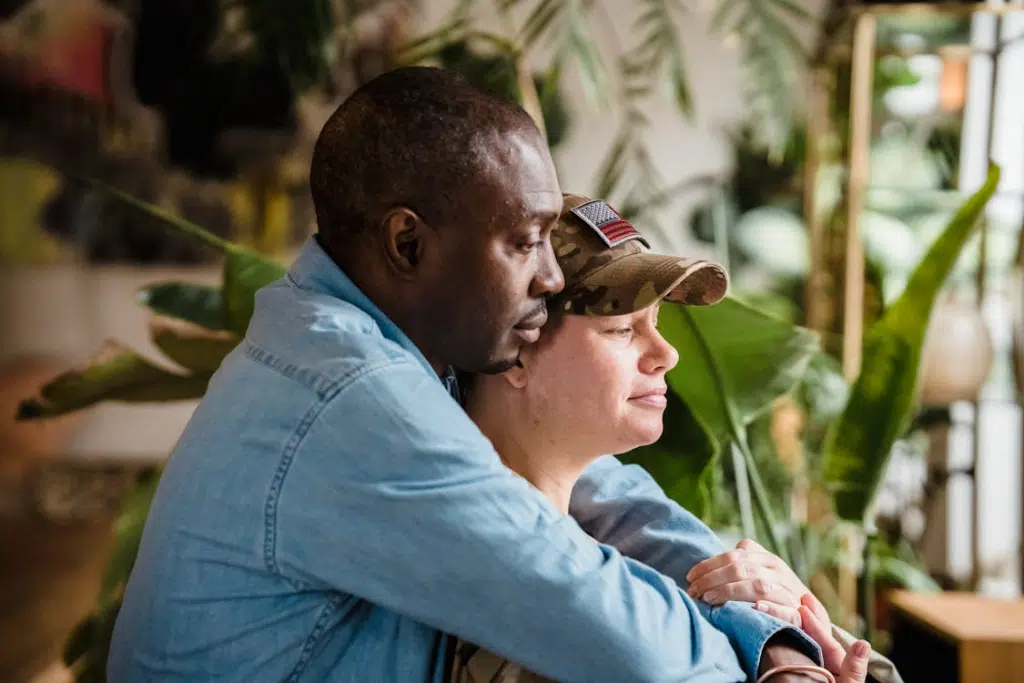
This is one of the hardest truths to admit. You can be physically present with someone yet feel emotionally alone. Conversations feel surface-level instead of connecting. You stop sharing parts of your day because it feels pointless. You reflect on when the emotional distance started. You question whether staying out of loyalty is slowly isolating you. You miss feeling understood without overexplaining. That loneliness becomes a loud signal you cannot ignore.
When You Start Editing Yourself

At first, adjustments feel normal. But then you notice you filter your words, reactions, and even humor. You avoid topics to prevent tension. You shrink parts of your personality to keep harmony. You reflect on how free you felt earlier in the relationship. You question if love should require this much self-editing. It makes you wonder if you are growing or disappearing. That awareness pushes you to evaluate staying versus reclaiming yourself.
When Effort is Only Visible During Crisis
You notice patterns in how problems get handled. Effort shows up only when things are about to end. Promises get loud when distance grows. You reflect on why consistency feels absent during normal days. It makes you question if change is genuine or reactive. You grow tired of temporary improvements. You want stability, not panic-driven affection. That reflection shapes how long you are willing to keep trying.
When You Outgrow Old Relationship Patterns

Growth changes your standards. Things you tolerated before now feel misaligned. You reflect on your younger self and the dynamics you accepted. You see how experience sharpened your emotional awareness. Conversations you once avoided, you now want to address directly. You question whether the relationship evolved with you. It becomes clear when one person grows faster than the other. That gap forces han onest evaluation about staying or moving forward alone.
When Respect Feels Inconsistent

Love without respect feels unstable. You pick up on tone, dismissiveness, and subtle disregard. Small moments start carrying bigger meaning. You reflect on whether your voice holds weight in the relationship. You notice when boundaries get brushed aside. It makes you question how conflict is handled. You realize respect is not situational. That thought influences whether you keep investing or start detaching.
When You Imagine Life Without Them More Often

This thought used to scare you. Now it shows up quietly and more frequently. You imagine your routine, peace, and growth without the relationship. It is not always rooted in anger. Sometimes it comes from curiosity about relief. You reflect on whether those thoughts signal burnout. You question whether you are mentally preparing for the exit. The frequency of that imagination tells you more than you admit. It becomes a reflection you cannot ignore.
When History Starts Carrying the Relationship

Shared memories are powerful. But you notice you rely on the past to justify the present. You reflect on how often you say, “We have been through so much.” You question if history is holding you hostage. You wonder if you would choose the relationship again today. Nostalgia starts competing with current reality. You realize memories cannot replace present effort. That clarity reshapes how you see staying.
When You Feel Responsible for Their Happiness

You care about their well-being. But you start feeling like their emotional anchor 24/7. You reflect on how often you sacrifice your needs to stabilize theirs. It becomes heavy, carrying both your emotions and theirs. You question if partnership turned into emotional dependency. You want support, not just responsibility. It makes you evaluate emotional balance. That realization influences whether trying still feels healthy.
When Communication Stops Feeling Safe

You notice hesitation before bringing things up. You predict defensiveness before conversations even start. You reflect on how conflict gets handled. You question if honesty leads to solutions or escalations. You start bottling thoughts to avoid friction. That silence creates emotional distance. You realize communication safety is foundational. Without it, staying feels like walking on eggshells.
When You Start Prioritizing Self-Respect Over Attachment

Attachment can be powerful. But self-respect starts speaking louder. You reflect on moments where you tolerated less than you deserved. You question whether fear of starting over kept you stuck. Growth makes you protective of your dignity. You want a partnership that matches your self-worth. Letting go begins to feel like self-preservation. That mindset shift changes everything.
When You Recognize Effort Without Alignment

Sometimes both of you are trying. But effort does not always equal compatibility. You reflect on love languages, goals, and emotional rhythms. You notice how often intentions get misunderstood. It makes you question long-term sustainability. You respect the effort but acknowledge the friction. You realize good people can still be wrong for each other. That reflection makes letting go feel less like failure.
When Timing Feels Like the Real Issue

You consider external pressures. Career demands, healing phases, and family responsibilities. You reflect on whether the relationship suffers from bad timing instead of a lack of love. You wonder if space would create clarity. It becomes less about blame and more about readiness. You evaluate if forcing it helps or harms. Sometimes letting go feels like respecting timing. And that perspective softens the decision.
When You Finally Choose Emotional Honesty

This is the most grounded reflection. You stop performing strength and start facing the truth. You admit what feels fulfilling and what feels forced. You reflect without ego or denial. You consider both your needs and theirs fairly. Whether you stay, try harder, or let go, the choice comes from clarity. Emotional honesty becomes your compass. And once you reach this point, you move forward with fewer regrets.








Ask Me Anything