
Many couples assume fewer fights means a healthier marriage. Sometimes it does. But sometimes the fighting stops because someone stopped trying to be understood. Resentment often grows when issues do not get solved, only avoided. Over time, silence replaces discussion, and distance replaces repair. The marriage may look calm from the outside while feeling tense on the inside. Resentment is rarely sudden; it is built through repeated small disappointments. These reasons explain why couples move from open conflict to quiet bitterness. They also show why “peace” can become a warning sign.
How Conflict Turns Into Avoidance
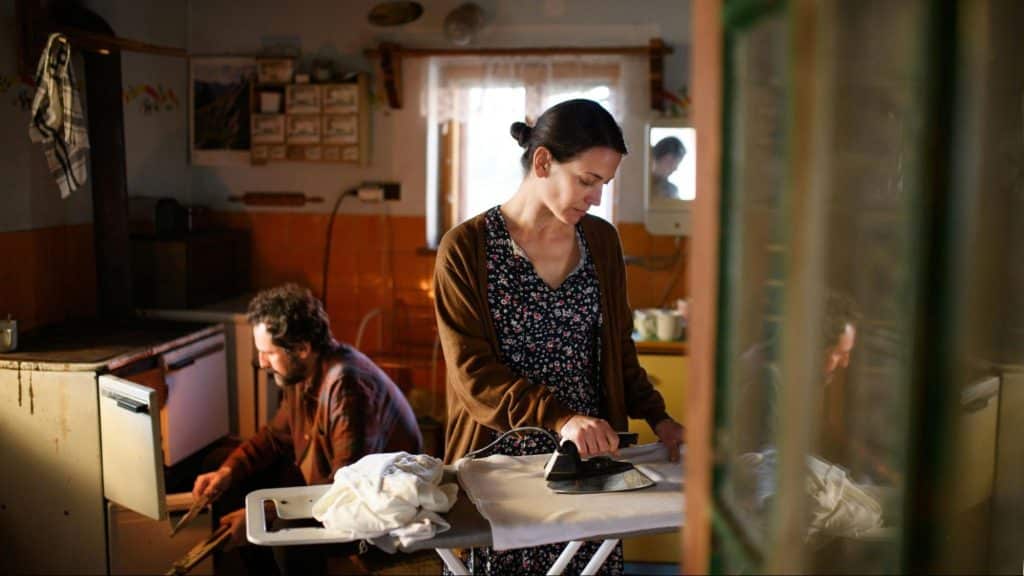
Resentment often begins when conflict feels pointless. If fights go nowhere, people start choosing silence. Avoidance can look mature, but it can also hide fear and emotional fatigue. When needs are ignored repeatedly, the nervous system learns to stop asking. The marriage becomes functional but emotionally thin. These reasons show how that shift happens. It is not about one big betrayal. It is about repeated patterns that slowly kill openness.
The Same Argument Repeats Until One Person Gives Up

Many couples fight about the same issue for years. The topic changes, but the pattern stays the same. Over time, one partner stops believing anything will change. They choose silence to avoid another draining cycle. The other partner may think things improved because the fighting stopped. But the silence often means emotional resignation. Unresolved patterns do not disappear; they harden. Resentment grows when effort feels wasted. Quietness can be a sign of defeat, not peace.
Conflict Feels Too Expensive, So Problems Get Swallowed

Some couples stop fighting because the cost feels too high. Conflict might lead to days of tension, coldness, or emotional shutdown. When that happens repeatedly, people learn to swallow concerns. They choose short-term calm over long-term repair. This creates a buildup of unspoken frustration. The marriage becomes polite but not close. Small issues turn into private grudges. Resentment often starts as self-protection. What is avoided today becomes bitterness later.
One Partner Learns That Honesty Gets Punished
Resentment grows fast when honesty leads to backlash. If sharing feelings leads to mockery, defensiveness, or anger, openness becomes unsafe. The honest partner starts editing themselves. They stop bringing up needs and start “managing” the marriage emotionally. The other partner may not notice the shift until distance is obvious. Punishing honesty trains secrecy. Secrecy reduces intimacy. Intimacy cannot survive when it is unsafe to speak. Resentment becomes the emotional substitute for honesty.
How Roles and Responsibilities Create Quiet Anger
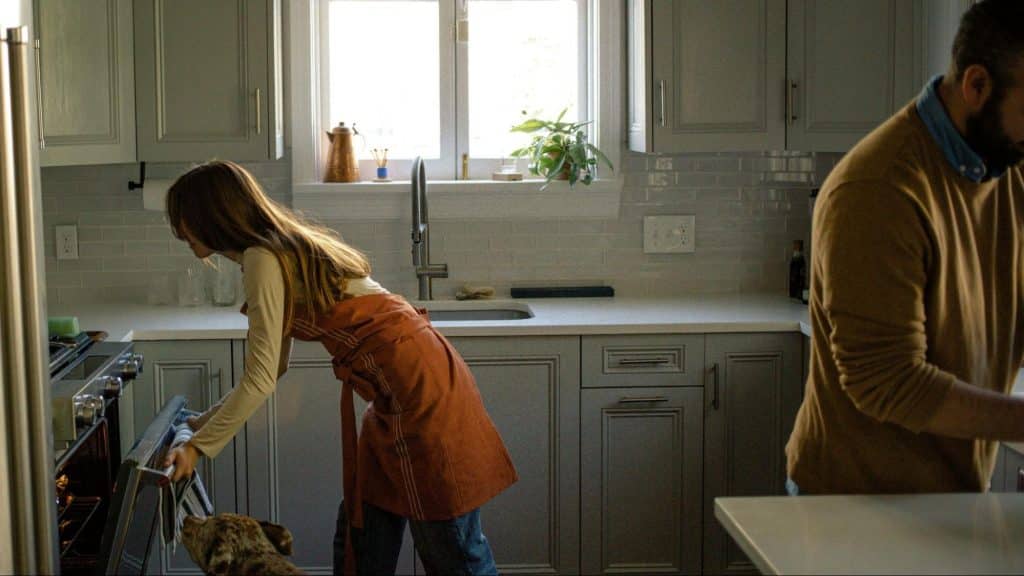
Marriage often turns into a system: bills, chores, kids, schedules, and obligations. Systems require fairness to stay stable. When fairness breaks, resentment becomes predictable. Many couples do not fight because they are too busy, not because they are healthy. But the emotional tally keeps running in the background. When one person feels overburdened, love starts feeling like labor. These reasons show how role imbalance turns into quiet anger. When the workload feels unfair, affection often drops.
The Mental Load Becomes One-Sided

One partner often becomes the default planner. They track appointments, groceries, birthdays, school needs, and household details. The other partner may help with tasks but not with the mental management. Over time, the planner feels unseen and used. Fighting about it can feel exhausting, so they stop. But resentment grows because the imbalance continues. The marriage starts feeling like a job with no appreciation. A partner can feel alone even while married. Mental load imbalance is one of the most common resentment triggers.
Unacknowledged Effort Turns Love Into Obligation

People will carry a lot when they feel appreciated. They will carry much less when effort is ignored. When one partner’s work becomes expected and unrecognized, motivation drops. They may still do the work, but the warmth disappears. This shift often looks like “they changed” or “they got cold.” In reality, it is often emotional burnout. Appreciation is not a bonus; it is emotional fuel. Without it, love becomes an obligation. Resentment grows when giving feels invisible.
Boundaries Get Ignored, So Withdrawal Feels Safer

Some partners ask for boundaries and get ignored. They ask for rest, quiet, or help, and nothing changes. Over time, they stop asking and start withdrawing. Withdrawal becomes the only way to regain control. The other partner may interpret withdrawal as rejection. That creates more distance and misunderstanding. Boundaries that are ignored create quiet hostility. People resent what they cannot protect. When boundaries are respected, closeness grows. When they are not, resentment becomes armor.
How Emotional Disconnection Replaces Repair

Resentment often grows when couples stop repairing after conflict. Repair is the moment where love is rebuilt. Without repair, tension lingers and becomes a normal atmosphere. Many couples stop fighting because they stop caring about being understood. Emotional disconnection feels safer than constant disappointment. The marriage can look stable while emotional intimacy collapses. These reasons show how repair disappears. When repair disappears, resentment becomes the default emotion.
Affection Gets Withheld as a Form of Protection

When someone feels unheard, affection can feel unsafe. They may stop hugging, flirting, or initiating intimacy. It is not always punishment; it can be emotional self-defense. If closeness leads to disappointment, distance feels safer. The other partner may feel rejected and respond with more withdrawal. This creates a cycle where both people feel unloved. Affection is not only physical; it is emotional availability. When availability fades, resentment takes its place. The marriage becomes colder without a clear reason.
Couples Start Talking Like Roommates

Daily conversation becomes logistical: bills, errands, kids, schedules. Emotional topics disappear. This can happen slowly and feel “normal” at first. But over time, the relationship loses friendship and curiosity. Without friendship, conflict becomes harder to handle. Roommate talk creates emotional loneliness. The marriage still functions, but it stops feeling like a partnership. Resentment grows when connection feels absent. Couples do not always need more romance. They often need more friendship.
They Avoid Hard Conversations to Keep the Household Calm

Many couples avoid hard talks because they want peace at home. This is common in homes with kids, stress, or tight schedules. But avoiding conversations creates hidden distance. The issues remain unresolved, and the emotional gap grows. Calm becomes a strategy, not a feeling. Marriage is about stability, not intimacy. This can look responsible, but it can also be emotionally costly. Resentment is often the price of constant calm. Peace without honesty becomes emotional debt.
The Marriage Becomes Performance Instead of Partnership

Some couples stop fighting because they start performing harmony. They do it for kids, family, or public image. They do not want to admit the marriage feels strained. So conflict is hidden and feelings are suppressed. Suppression does not erase resentment; it stores it. Over time, the relationship feels fake to the people inside it. Performance creates distance because authenticity is missing. A partnership allows messy honesty and repair. A performance requires silence. Resentment thrives in silence.
How Unmet Needs Turn Into Character Judgments

Resentment often changes how partners interpret each other. A missed need turns into a story: “They are selfish,” “They do not care,” “They are lazy.” Once character judgments form, empathy drops. Empathy is what keeps fights from becoming contempt. When empathy is gone, people stop fighting fairly. They stop fighting because they assume the worst. That assumption becomes a wall. Resentment grows when needs are no longer seen as valid. It becomes personal instead of solvable.
They Stop Asking, Then Start Keeping Score

When asking feels pointless, people start scoring silently. They track who does more, who cares more, who sacrifices more. Scorekeeping kills generosity. It turns love into a transaction. It also creates constant internal irritation. The partner keeping score may still appear calm, but emotionally they are tallying everything. The other partner often has no idea. Scorekeeping is resentment in spreadsheet form. It grows when appreciation and fairness feel missing. A healthy marriage discusses imbalance early, before the score begins.
They Feel Alone in the Marriage but Don’t Want to Admit It
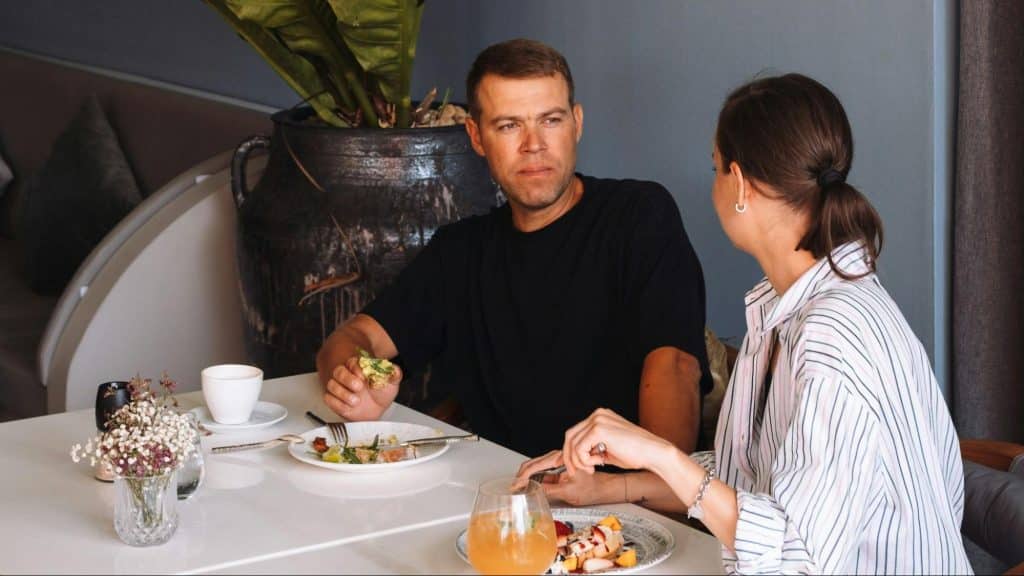
Loneliness in marriage is common and painful. Many people feel ashamed to admit it. They assume something is wrong with them for wanting more connection. So they bury the feeling and act fine. This creates a double life: functional outside, lonely inside. Over time, loneliness becomes resentment because it feels unfair. A partner may feel like they are doing everything right, yet still feel emotionally abandoned. That disconnect hurts. Resentment often comes from loneliness that was never spoken. Silence keeps loneliness alive.
They Lose Trust That Change Will Happen

Resentment grows when hope dies. When promises repeat without follow-through, trust collapses. Trust is not only about cheating; it is about reliability. If a partner says they will improve and does not, the other partner stops believing. Then they stop fighting because they stop expecting. Low expectation becomes emotional survival. The marriage becomes stable but emotionally empty. When belief in change is gone, effort feels pointless. Resentment becomes the new normal.
They Confuse “No Conflict” With “No Problems”

Some couples treat quietness as proof everything is fine. But silence can hide fear, burnout, and withdrawal. Problems still exist, but they are managed privately. The relationship becomes less honest and more distant. This is how resentment becomes entrenched. Conflict is not always bad; it can be a path to repair. The absence of conflict can be a sign that repair is no longer happening. When issues cannot be discussed, resentment grows unchecked. Quiet marriages can still be unhappy marriages.
Resentment Is What Happens When Repair Stops

Married couples often stop fighting when conflict feels unsafe, useless, or too exhausting. That shift can look peaceful, but it can hide emotional resignation. Resentment grows through avoided conversations, unfair mental load, unacknowledged effort, and repeated disappointment. Over time, partners stop asking and start keeping score. They may become roommates, performers, or strangers sharing responsibilities. The healthiest couples are not the ones who never fight. They are the ones who can fight respectfully and repair consistently. When repair returns, resentment often softens. Silence is not always peace—it is sometimes the sound of someone giving up.








Ask Me Anything