
You’ve been told for decades that women no longer need men. Financial independence. Career equality. Total autonomy. And yet, in real life, many women still rely on men in ways that make people uncomfortable to talk about.
This isn’t about blame. It’s not about nostalgia, politics, or old-school roles. It’s about reality—how money, work, safety, biology, and social expectations actually play out once theory meets everyday life. If you’ve ever felt pressure to be the provider, the emotional anchor, or the safety net—and wondered why that expectation never fully disappeared—this will make sense.
The pay gap didn’t magically vanish

Women in the U.S. still earn about 11 percent less than men on average. That gap widens in certain industries and at senior levels. Less income means less margin for error. It also means higher stress around bills, savings, and emergencies. When one partner consistently earns more, dependence follows. Not by ideology. By math.
Career breaks hit women harder than men
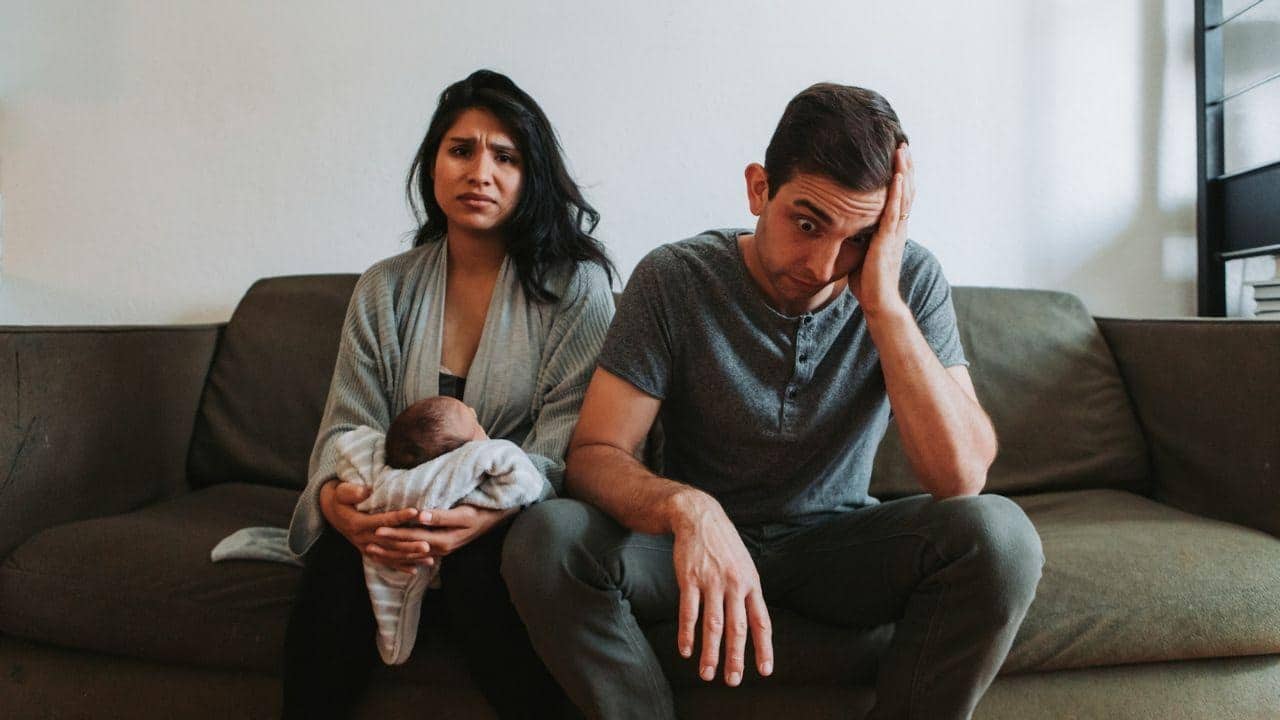
Most caregiving still falls on women. Pregnancy. Childcare. Elder care. These aren’t abstract ideas. They pull women out of the workforce or slow their momentum at key stages.
Men’s careers tend to move in straight lines. Women’s careers often zigzag. That difference compounds over decades.
Retirement planning favors men

Roughly half of women have no personal retirement savings. Men are far more likely to feel confident they can handle a financial emergency.
At the same time, women live longer—about six years longer on average. That’s more years with less money. Depending on a partner becomes a rational survival strategy, not a failure of independence.
Financial confidence lags behind income

Even when women earn well, many report lower confidence managing money. Fewer women describe themselves as financially secure or knowledgeable.
So money management often defaults to men. Not because women can’t do it. Because someone has to, and confidence usually wins that role.
Protection still matters, even if people downplay it

Women consistently report feeling more attracted to men who make them feel safe. Not dramatic heroics. Simple things. Awareness. Presence. Reliability.
Studies show wives who view their husbands as protective report higher marital satisfaction and lower divorce risk. You can call that outdated. Biology doesn’t care.
Emotional dependence doesn’t disappear with autonomy

Emotional independence sounds great on paper. In practice, many women still look to men for reassurance, stability, and emotional grounding—especially in long-term relationships.
This isn’t weakness. It’s bonding. Humans outsource emotional regulation to trusted partners all the time.
Domestic labor still isn’t equal

Even in dual-income households, women do more unpaid work. Cooking. Cleaning. Scheduling. Remembering everything that keeps life running.
This “mental load” drains time and energy. When one partner carries more invisible labor, the other often carries more financial responsibility. Dependence flows both ways.
Men’s social isolation increases reliance
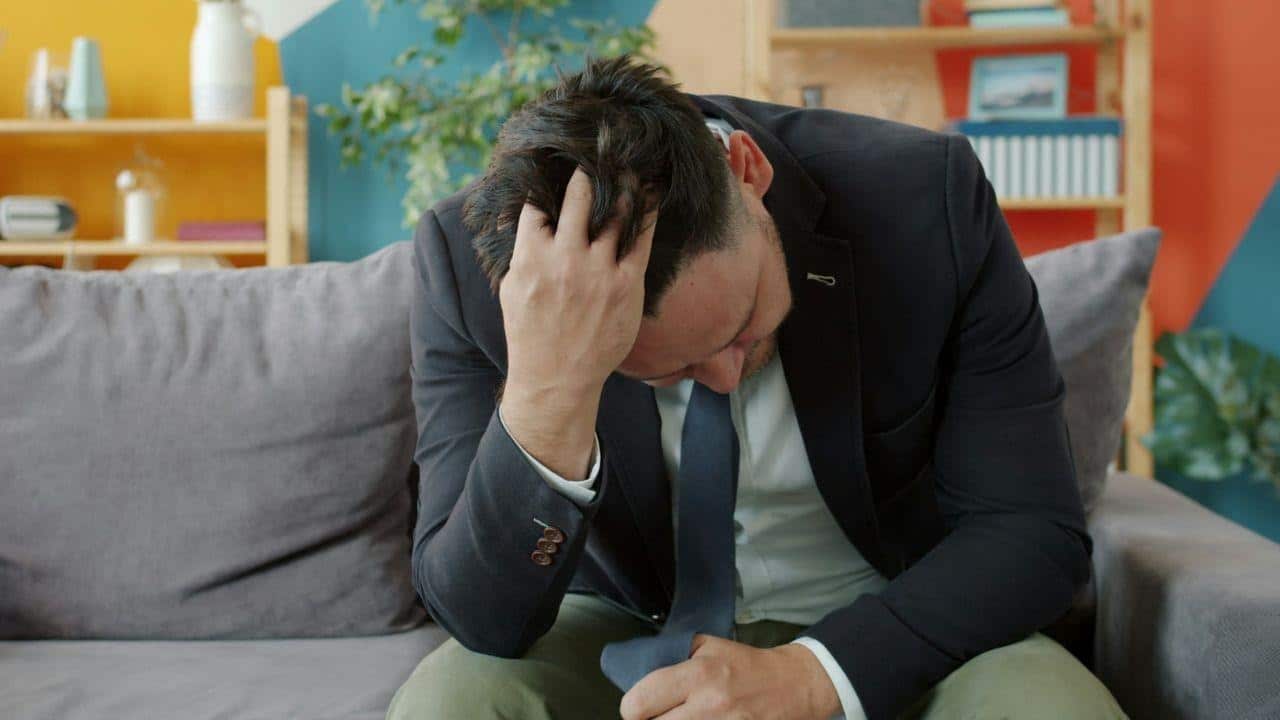
A growing number of men have no close friends. That means their emotional needs funnel into one relationship.
Women often become the sole emotional outlet. That creates dependence in both directions. One leans emotionally. The other becomes indispensable.
Cultural expectations never fully updated

Society still signals that a “good man” provides and a “secure woman” chooses well. Even women who reject traditional roles feel these expectations underneath the surface.
Cultural software updates slowly. People still run old programs without realizing it.
Childcare costs force hard tradeoffs
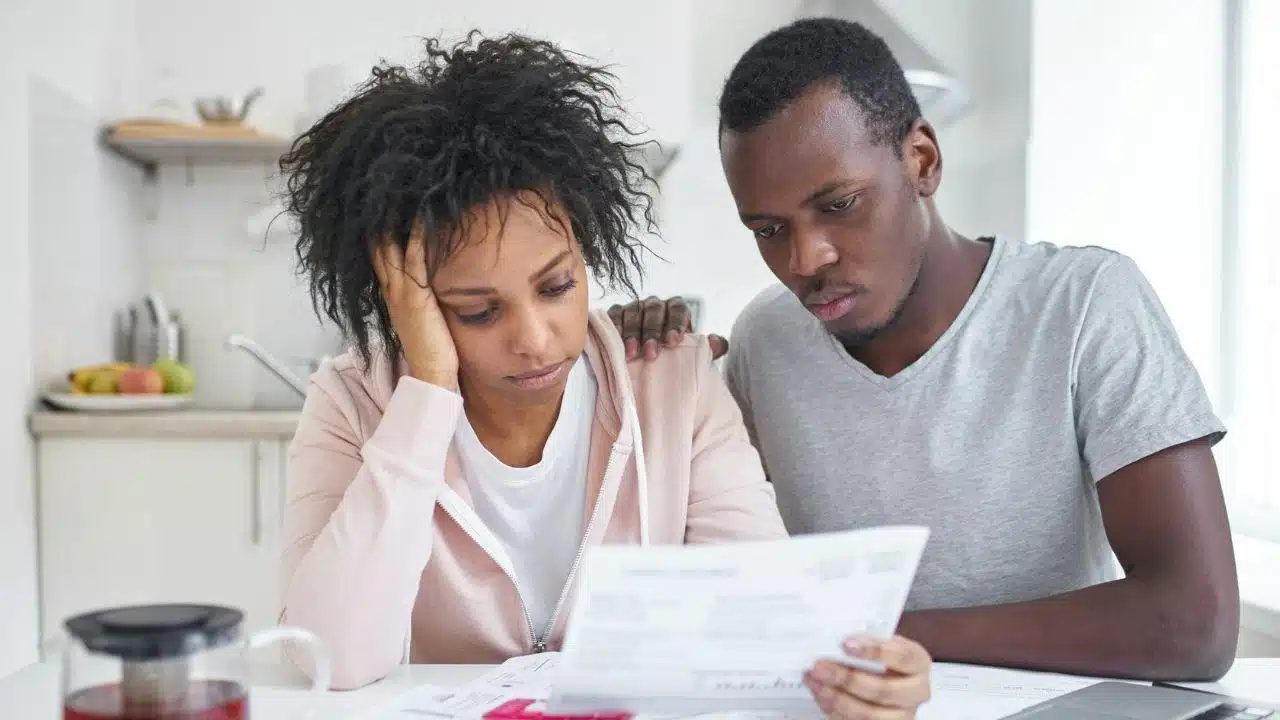
Childcare is expensive. Often brutally expensive. When costs rival one income, couples make pragmatic choices.
Usually, the lower earner steps back. That’s often the woman. Dependence follows, not because of values, but because spreadsheets don’t lie.
Health and reproductive costs aren’t evenly shared

Women shoulder unique medical costs across their lives. Birth control. Pregnancy. Recovery. Ongoing care.
Many rely on a partner’s income or insurance to manage that burden. It’s practical, not ideological.
Credit and housing systems favored men for decades
Until recently, women struggled to access credit without a male co-signer. Older generations still carry that conditioning.
Trusting a partner with financial infrastructure feels safer than navigating systems that historically excluded them.
Romance narratives still shape expectations

Movies, books, and advertising still sell the idea that a woman’s life stabilizes when she finds the right man.
You can roll your eyes. That messaging still works. People absorb it long before they analyze it.
Masculinity is still tied to provision

Many women associate masculinity with competence, protection, and provision. Many men still measure themselves the same way.
This feedback loop keeps the dynamic alive. Expectations reinforce behavior. Behavior reinforces expectations.
Most people still lean on their partner emotionally

When things go wrong, most adults turn to their spouse first. That includes stress, fear, and uncertainty.
Emotional dependence is built into pair-bonding. Independence has limits once life gets complicated.
Equality doesn’t erase interdependence

Many women don’t want dependency. They want reliability. Consistency. Someone who can handle pressure when things wobble.
Interdependence beats isolation. Most couples eventually choose it, even if they never say the word out loud.
The uncomfortable truth

Women depend on men today for fewer reasons than in the past. But they don’t depend on men for fewer important reasons.
Money. Safety. Stability. Emotional grounding. These pressures didn’t disappear. They just got quieter. If you’ve felt that weight on your shoulders, you’re not imagining it. This dynamic didn’t fail to evolve. It adapted to reality.








Ask Me Anything