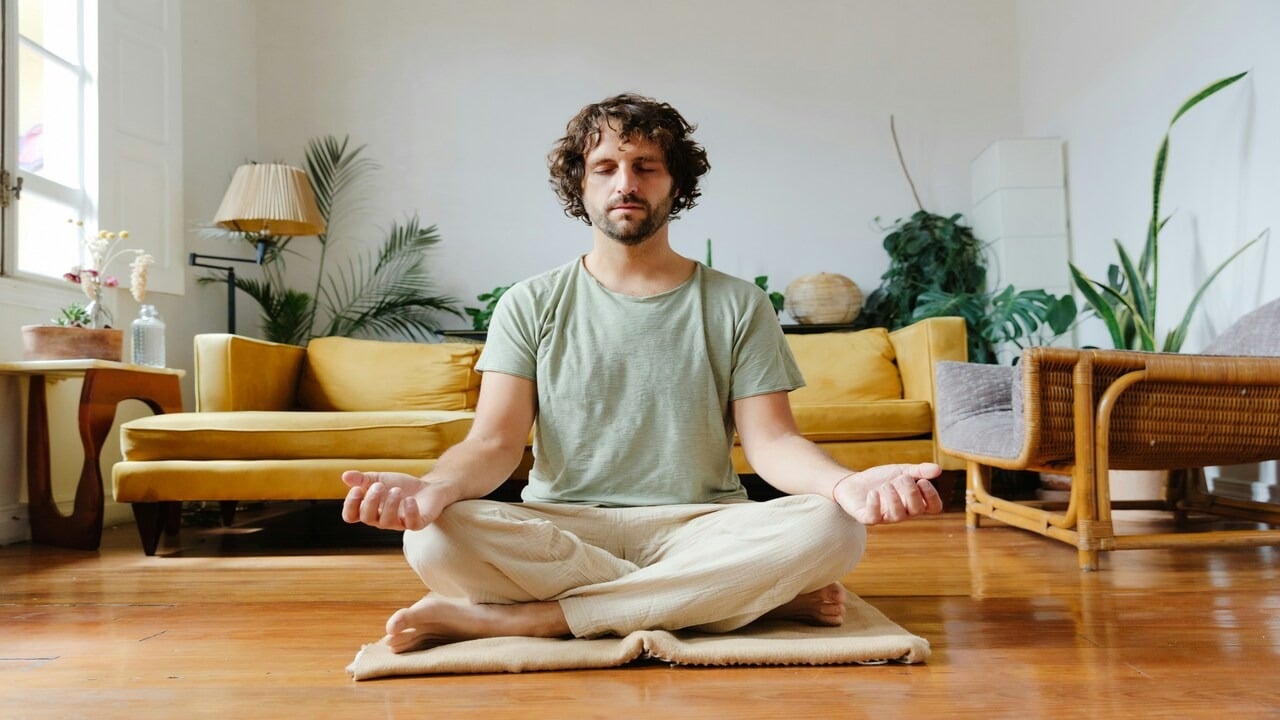
Emotional discipline isn’t about being calm all the time or suppressing how you feel. It’s the ability to experience emotions fully without letting them hijack your decisions, relationships, or self-respect. People with emotional discipline still get angry, anxious, disappointed, and hurt—but they don’t let those states run the show. They respond instead of react, pause instead of spiral, and choose behavior that aligns with their long-term values rather than short-term relief.
The patterns below aren’t personality traits you’re born with. They’re daily habits you can practice, strengthen, and refine over time.
They Pause Before Responding, Even When Emotions Are Loud

Emotionally disciplined people build a small but powerful gap between feeling and acting. When triggered, they resist the urge to fire off texts, raise their voice, or explain themselves immediately. That pause gives their nervous system time to settle and their rational mind time to catch up. Practically, this can be as simple as taking three slow breaths or saying, “Let me think about that.” Over time, this pause becomes automatic. It saves relationships, reputations, and a lot of regret.
They Name What They’re Feeling Without Judging It

Instead of labeling emotions as “bad” or “weak,” emotionally disciplined people get specific and neutral. They don’t just say they’re upset—they identify whether it’s disappointment, insecurity, frustration, or grief. Naming emotions accurately reduces their intensity and prevents emotional pileups. You can practice this by asking yourself, “What am I actually feeling right now?” The more precise the label, the more manageable the emotion becomes. Clarity beats suppression every time.
They Don’t Make Big Decisions While Emotionally Charged

People with emotional discipline know that intense feelings distort judgment. They avoid making life-altering decisions when they’re angry, heartbroken, or euphoric. Instead, they delay decisions until their emotional state stabilizes. This might mean sleeping on it, writing thoughts down, or talking it through with a grounded person. The rule is simple: feelings are information, not instructions. Waiting protects you from choices you’ll later wish you could undo.
They Separate Feelings From Facts

Emotionally disciplined people understand that feelings feel real—but they aren’t always accurate reflections of reality. Feeling rejected doesn’t always mean you were rejected. Feeling unappreciated doesn’t automatically mean no one values you. They check assumptions instead of treating emotions as proof. A practical habit is asking, “What evidence do I actually have?” This distinction prevents unnecessary conflict and self-sabotage.
They Regulate Their Body Before Trying to Fix the Problem

They know emotional control starts in the body, not the mind. Before analyzing or confronting an issue, they calm their nervous system through breathing, movement, or grounding techniques. A short walk, stretching, or slow breathing can shift your emotional state quickly. Once the body settles, clearer thinking follows. Trying to reason while dysregulated almost always backfires. Regulation first, resolution second.
They Don’t Vent to Everyone

Emotionally disciplined people are selective about who hears their emotional processing. They don’t unload on coworkers, group chats, or social media. Instead, they choose safe, mature listeners who won’t inflame the situation. This protects their privacy and prevents emotional echo chambers. A good rule is to vent only to people who can help you regulate, not escalate. Less noise leads to more clarity.
They Allow Emotions Without Letting Them Dictate Behavior

They give themselves permission to feel without acting impulsively. Feeling jealous doesn’t mean checking phones. Feeling angry doesn’t mean being cruel. Feeling hurt doesn’t mean withdrawing completely. Emotional discipline is the skill of holding emotion without outsourcing responsibility. You can practice by asking, “What’s the most self-respecting response right now?” That question changes everything.
They Recover From Emotional Setbacks Faster

Emotionally disciplined people still get knocked off balance—but they don’t stay there. They don’t spiral for days over one comment or mistake. Instead, they self-soothe, reflect, and recalibrate. They might journal, exercise, or talk things through, then move forward. Recovery time is their real superpower. Faster emotional recovery leads to resilience and confidence.
They Set Emotional Boundaries, Not Just Physical Ones

They don’t absorb everyone else’s stress, moods, or expectations. When someone is projecting anger or anxiety, they don’t automatically internalize it. Emotional boundaries sound like, “That’s theirs, not mine.” Practically, this might mean limiting exposure, changing the subject, or stepping away. Emotional discipline includes protecting your inner state. Peace is something they actively guard.
They Don’t Use Emotions as Weapons

Emotionally disciplined people don’t guilt-trip, stonewall, or explode to gain control. They avoid passive-aggressive behavior and emotional manipulation. Even when upset, they aim to communicate clearly rather than punish. This builds trust and emotional safety over time. If you’re tempted to use emotion to get a reaction, it’s usually a sign to pause. Respect lasts longer than control.
They Reflect Instead of Ruminating

They process emotions productively rather than replaying scenarios on a loop. Reflection asks, “What can I learn?” Rumination asks, “Why did this happen to me?” Emotionally disciplined people redirect their thoughts toward insight and growth. Writing down lessons or next steps helps break mental cycles. Reflection moves you forward; rumination keeps you stuck. They choose progress over mental noise.
They Accept Discomfort as Part of Growth

They don’t rush to numb or escape uncomfortable feelings. Emotional discipline includes tolerating discomfort without self-destructing. Awkward conversations, delayed gratification, and temporary anxiety are all part of emotional maturity. Instead of avoiding discomfort, they build capacity for it. Each time you sit with discomfort and survive, your emotional strength grows. Avoidance shrinks your world; tolerance expands it.
They Take Responsibility for Their Emotional Reactions

They don’t blame others for how they feel. Even when someone behaves poorly, emotionally disciplined people own their reactions. This doesn’t excuse bad behavior—it preserves personal power. Saying “That upset me, and here’s how I’ll handle it” keeps you in control. Responsibility is empowering, not shaming. It’s the foundation of emotional self-respect.
They Choose Long-Term Respect Over Short-Term Relief

They resist the urge to say or do things that feel good in the moment but cause damage later. Sarcastic comments, angry texts, and dramatic exits may feel relieving—but they come at a cost. Emotionally disciplined people play the long game. They ask, “Will I respect myself for this tomorrow?” That question filters out a lot of regret.
They Practice Emotional Check-Ins

They regularly ask themselves how they’re doing emotionally instead of waiting for a breakdown. These check-ins might happen daily or weekly. Noticing stress early prevents emotional overload. Simple questions like “What’s weighing on me?” or “What do I need right now?” keep emotions from bottling up. Awareness is preventative care for emotional health.
They Don’t Over-Explain Themselves When Emotional

Emotionally disciplined people can state feelings without defending or justifying them endlessly. They don’t argue emotions into validity. Clear statements like “That didn’t sit well with me” replace long emotional speeches. Over-explaining often comes from anxiety, not clarity. Confidence in your feelings reduces the need to convince others. Calm brevity is a sign of emotional strength.
They Repair After Emotional Missteps

When they do react poorly—and everyone does—they own it quickly. They apologize without excuses and focus on repair. Emotional discipline includes accountability, not perfection. Repairing builds trust faster than pretending nothing happened. A simple, sincere apology goes a long way. How you recover matters more than the mistake itself.
They Align Emotional Responses With Their Values

At the core, emotionally disciplined people respond based on who they want to be, not just how they feel. Their values act as a compass during emotional moments. They ask, “What kind of person do I want to show up as here?” Over time, this alignment builds integrity and self-trust. Emotions come and go, but values stay steady. That’s what keeps them grounded under pressure.








Ask Me Anything