
Marriage adds structure, responsibility, and a constant low-level mental load that most men don’t notice until it starts leaking out as stress or irritability. Between work, family, and shared routines, true alone time usually becomes an afterthought. Not isolation, not avoidance—just space where nothing is required of you. This isn’t about escaping marriage or avoiding responsibility. It’s about maintaining a baseline mental state that lets you function well inside it. Solo activities give your brain room to reset, process, and recalibrate without anyone else’s expectations in the room.
Strength Training Without a Clock

Lifting alone removes performance pressure and social comparison. You move at your own pace, focus on form, and shut out everything except the next set. Research consistently links resistance training with reduced symptoms of anxiety and depression, and many men notice the mental benefits before the physical ones. It’s one of the few activities where progress is measurable without being tied to anyone else’s approval. Plus, there’s something grounding about picking something heavy up and putting it back down when life feels abstract.
Long Walks With No Destination

Walking alone—especially without earbuds—forces your brain to slow down. Stanford research has shown that walking in natural settings can reduce rumination and improve mood. You’re not solving problems on purpose, but ideas tend to sort themselves out anyway. It’s low effort, low friction, and doesn’t require special gear or scheduling. Just walk until your shoulders drop and your thoughts stop racing.
Reading for Utility, Not Escape

This isn’t about novels you never finish or productivity books you skim. Reading alone works best when it’s practical and focused: history, biographies, skills, or topics you genuinely care about. It engages your attention without overstimulation and gives your brain something structured to chew on. Unlike scrolling, reading doesn’t hijack your nervous system. It’s one of the few quiet activities that actually leaves you feeling sharper afterward.
Solo Hobbies That Involve Making Something
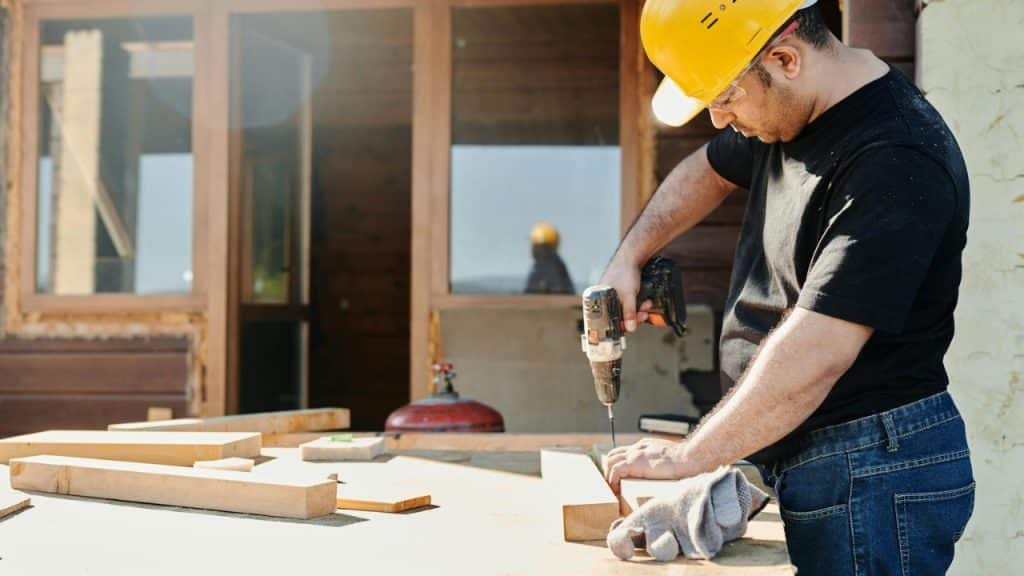
Woodworking, fixing old gear, building models, or restoring tools all share one thing: visible progress. Hands-on projects reduce stress by shifting attention from abstract worries to concrete tasks. Studies on hobby engagement show strong links to improved well-being and life satisfaction. You start, you work, you finish—no meetings, no debates. The end result doesn’t have to be impressive; the process does most of the work.
Journaling Without Self-Help Framing

Writing things down isn’t about emotional deep dives or daily affirmations. Simple journaling—what happened, what worked, what didn’t—helps externalize mental clutter. Research from medical centers like the University of Rochester shows that expressive writing can reduce stress and improve clarity. Keep it factual and brief. Think of it as dumping open browser tabs out of your head.
Learning a New Skill Alone

Learning something new forces your brain out of autopilot. Research from psychological science journals shows that mentally demanding skills improve memory and cognitive health as we age. Photography, cooking techniques, or even basic coding all qualify. The key is challenge, not mastery. Struggling a little is part of why it works.
Cooking for Yourself

Cooking alone removes the pressure to please anyone else. You can experiment, keep it simple, or repeat the same meal without commentary. Studies on cooking and baking show reduced stress and improved mood through focused, sensory tasks. There’s also something quietly satisfying about feeding yourself well. No applause needed.
Solo Hiking or Trail Time

Hiking combines physical movement with low cognitive demand. Nature exposure has been shown to lower cortisol and improve mood regulation. Trails remove distractions and force a steady pace, which helps mental processing. Even short hikes can create a noticeable mental reset. Just watch your footing—mental clarity is less helpful with a twisted ankle.
Playing a Musical Instrument

You don’t need to be good. Playing an instrument activates multiple parts of the brain at once and has been linked to reduced stress and improved cognitive function. It’s immersive enough to block out background noise—mental and literal. Solo practice keeps it pressure-free. Progress happens quietly, which is part of the appeal.
Photography Without Posting

Photography works best when it’s not for an audience. Framing shots forces attention into the present moment, which reduces anxiety and mental drift. Recent surveys show many people report lower anxiety and improved mood through photography. Leave the social media part out of it. Just notice things.
Puzzles and Strategy Games

Crosswords, logic puzzles, or solo strategy games give your brain structure without emotional stakes. Cognitive engagement has been linked to improved mental resilience and reduced stress. These activities reward focus and patience rather than speed. It’s controlled challenge, which most adult lives are short on. Bonus points if it replaces evening doom-scrolling.
Volunteering Alone

Volunteering doesn’t have to be social or emotionally heavy. Solo roles like trail maintenance, food distribution, or logistics support still provide purpose. Mayo Clinic research links volunteering with lower depression and improved mental health. It shifts perspective without requiring vulnerability. Sometimes usefulness is enough.
Short Solo Travel or Day Trips

You don’t need a passport or a life crisis. Even a solo overnight or long day trip resets mental patterns. Research on solo travel points to increased independence and stress reduction. Planning for yourself, moving at your own pace, and handling small problems alone builds quiet confidence. It’s not escape—it’s recalibration.
Structured Alone Time With No Output

This isn’t meditation and it’s not zoning out. It’s scheduled time where nothing productive is expected. No goals, no tracking, no improvement plans. Studies on rest show that unstructured downtime improves emotional regulation. Think of it as maintenance, not indulgence.
Quiet Mornings or Late Nights

Time works differently when no one needs you. Early mornings or late evenings offer uninterrupted mental space without changing your entire routine. Many men report better clarity and mood when they claim even 30 minutes of quiet. It’s not about waking earlier forever. It’s about having at least one part of the day that belongs entirely to you.








Ask Me Anything