
A lot of women feel like men have checked out of relationships. Conversations stall, commitment gets delayed, and “just seeing how it goes” drags on for years. It’s tempting to assume men are afraid, selfish, or emotionally unavailable. The reality is less dramatic and more practical. But these men aren’t rejecting relationships outright; they’re weighing the costs, risks, and trade-offs more carefully than before.
This shift didn’t happen overnight. It’s the result of financial pressure, cultural changes, dating burnout, and past experiences that left marks. None of this makes men villains or women unreasonable. But it does explain why enthusiasm for long-term relationships isn’t what it used to be. Below are some uncomfortable truths that don’t get said out loud often, but shape how many men approach dating today.
He values peace more than passion
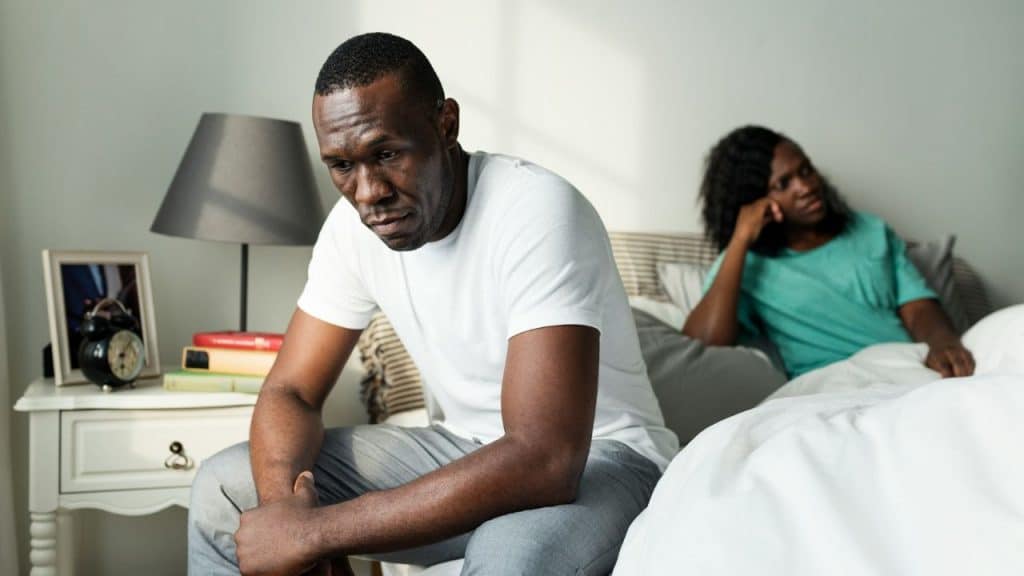
For many men, especially in their late 30s and 40s, peace has become non-negotiable. After years of stress, conflict, or emotionally draining relationships, calm starts to feel like a luxury worth protecting. A quiet home, predictable routines, and emotional stability matter more than excitement. If a relationship threatens that peace, it immediately feels like a bad deal.
This doesn’t mean he hates connection. It means chaos no longer feels romantic—it feels expensive. And once a man realizes how calm life can be, he’s careful about what he lets disrupt it.
He’s watched too many relationships fail up close
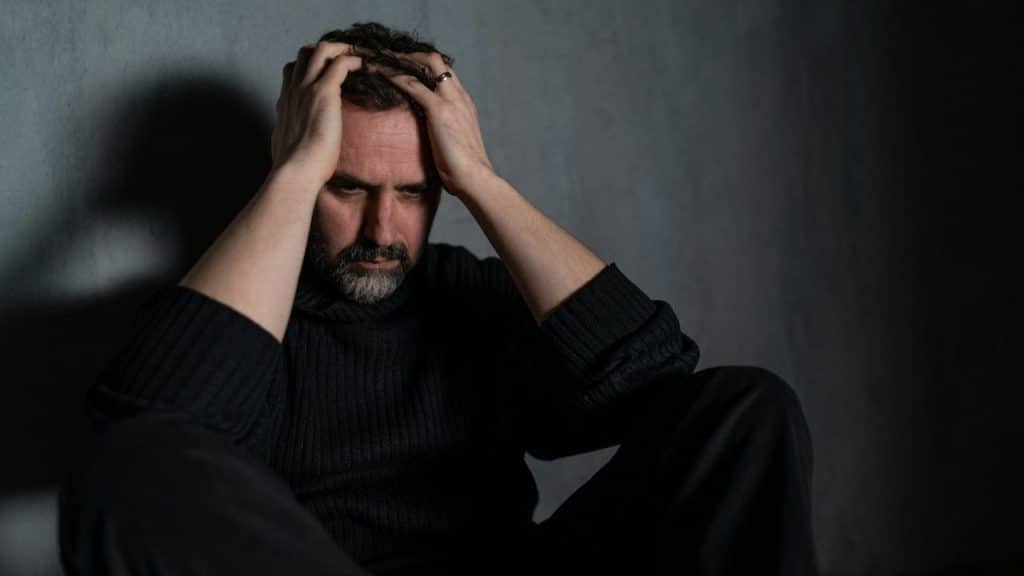
Divorce isn’t an abstract statistic for most men. They’ve seen friends lose savings, homes, time with their kids, or years of progress. Even men who still believe in relationships can’t ignore those examples. The risk feels real, not theoretical.
That awareness changes behavior. Commitment starts to feel like a high-stakes decision instead of a natural next step. Caution replaces optimism, especially if he’s already built something he doesn’t want to lose.
Independence feels earned, not lonely

Single life isn’t always a placeholder anymore. For many men, it’s a stable, functional setup they worked hard to build. They manage their time, money, and energy on their own terms. That independence feels earned, not empty.
When a relationship threatens that structure without offering clear value in return, hesitation makes sense. It’s not about avoiding responsibility—it’s about protecting a life that already works.
Dating feels more exhausting than exciting

Modern dating wears people down fast. Endless swiping, ghosting, mixed signals, and surface-level conversations turn dating into unpaid labor. After enough failed starts, enthusiasm fades.
Many men step back not because they can’t connect, but because they’re tired of starting over. The effort rarely feels proportional to the outcome anymore, and burnout is real.
Commitment feels riskier than it used to

Relationships now come with more uncertainty than clarity. Expectations are higher, rules feel less clear, and mistakes carry heavier consequences. Men often feel like one wrong move can derail everything.
That constant sense of risk makes hesitation logical. When the margin for error feels thin, staying unattached feels safer.
He’s still processing past damage
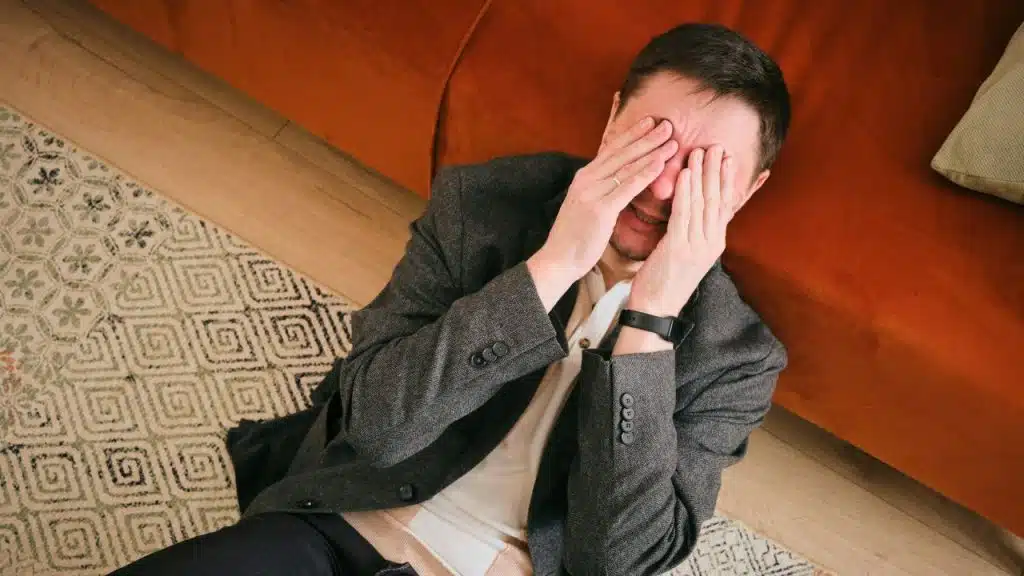
Unresolved baggage doesn’t disappear just because time passes. Men carry failed marriages, betrayals, emotional shutdowns, and regrets longer than they admit. Many step away from relationships to avoid repeating patterns they haven’t fully unpacked.
Avoidance isn’t always immaturity. Sometimes it’s self-preservation while figuring things out internally.
Porn and digital escapes lower urgency

When intimacy is available without effort, motivation changes. Easy access to adult media, entertainment, and online distractions reduces the pressure to pursue real-world connection. The cost of rejection or disappointment suddenly feels higher than the reward.
This doesn’t replace real relationships, but it does delay them. Convenience reshapes priorities more than most people want to admit.
Emotional expectations feel heavier now

Men are expected to be emotionally open, communicative, supportive, and self-aware—often without being taught how. Many want to show up well but feel unprepared for the level of emotional labor required.
Rather than risk failing those expectations, some opt out entirely. Silence feels safer than disappointing someone they care about.
Financial pressure changes everything

Dating, cohabitation, and marriage are expensive. Men are acutely aware of rising costs and long-term financial obligations. Even successful men think carefully before adding complexity to their financial lives.
If stability feels fragile, commitment gets postponed. Money anxiety doesn’t inspire romance—it encourages caution.
Standards feel mismatched

Many men feel judged against unrealistic benchmarks. Career success, emotional maturity, confidence, physical fitness, and stability are all expected simultaneously. Falling short in any area feels disqualifying.
When effort doesn’t seem to close the gap, disengagement becomes easier than constant self-comparison.
Gender roles feel unclear

Men are told to lead, but not dominate. To be confident, but not intimidating. To be traditional, but progressive. That contradiction leaves many unsure how to show up without offending or misstepping.
Confusion doesn’t spark confidence. It creates hesitation, second-guessing, and withdrawal.
Fear of being misinterpreted is real

Many men worry about how their words or actions might be received. Compliments, flirting, or initiative can feel risky. Being labeled “creepy” or inappropriate carries social consequences they don’t want.
So they play it safe. Sometimes too safe. Avoidance feels easier than misunderstanding.
Friendships and hobbies fill real needs

Men don’t rely solely on romantic relationships for fulfillment anymore. Strong friendships, fitness, travel, and personal projects provide connection and purpose. Relationships become optional rather than essential. When life already feels full, adding complexity requires strong justification.
He doesn’t want to repeat old mistakes

With age comes pattern recognition. Men recognize what went wrong before and hesitate to step back into similar dynamics. They’d rather pause than rush into something familiar and unhealthy. Slowing down feels smarter than starting over from zero again.
Freedom feels more valuable now

Flexibility matters more later in life. The ability to relocate, change routines, or make decisions independently carries weight. Commitment limits that freedom, even in healthy relationships.
Men who value adaptability don’t reject relationships—they delay them until the trade-off feels worth it.








Ask Me Anything