
A relationship does not improve because someone “means well.” It improves when behaviour gets better over time. A man who is growing with the relationship becomes easier to trust, easier to communicate with, and easier to build with. His progress shows up in small repeatable upgrades, not occasional apologies. Growth also shows that he sees the relationship as a responsibility, not just a feeling. Many men love their partner but refuse to evolve, which creates stagnation. These behaviours signal that he is not just staying, he is developing alongside the relationship.
He Solves the Same Problem Twice Less Often

Growth is visible when the same argument stops cycling. He learns the pattern, adjusts, and prevents repeat damage. This shows he listens for meaning, not just to end conflict. He remembers what matters and acts on it. Repetition without change is immaturity; reduced repetition is progress. A man who grows does not need endless reminders. He turns feedback into a new standard.
He Catches Himself Before He Gets Defensive
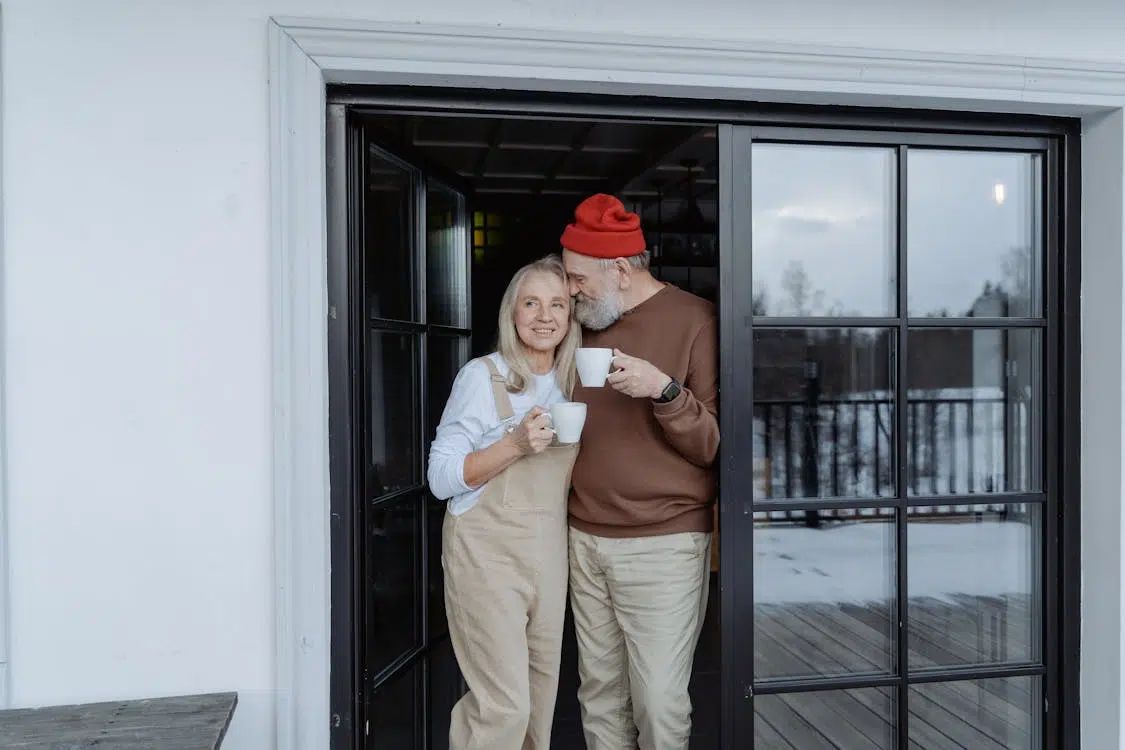
Many men sabotage intimacy with reflexive defensiveness. A growing man notices the impulse and pauses. He asks clarifying questions instead of launching a counterattack. He can tolerate discomfort long enough to understand the issue. This makes conversations feel safer and more productive. Defensiveness protects ego, not the relationship. Self-control in that moment is a real upgrade.
He Becomes More Honest About What He Can and Can’t Do

Early on, some men overpromise to look good. Growth looks like realism and transparency. He communicates limits before they become disappointments. He stops saying yes out of guilt and then failing later. This reduces resentment on both sides. Honest capacity is more respectful than performative effort. Reliability improves when honesty improves.
He Initiates Repairs Without Being Prompted

A stagnant man waits until the tension blows over. A growing man closes the loop. He brings up what happened, acknowledges impact, and makes it right. This shows he values emotional safety more than comfort. Repair without prompting is maturity because it requires humility. It also prevents emotional debt from piling up. A man who repairs quickly protects the relationship long-term.
He Upgrades His Habits Because He Sees the Bigger Picture

Growth often shows up in routines: sleep, health, money, and discipline. He realises the relationship is affected by his habits, not just his intentions. He reduces behaviours that create chaos or stress. He builds structure that makes life calmer for both of you. This is not about perfection, it is about responsibility. A man who evolves his lifestyle is building a safer future. Stability is a sign of growth.
He Stops Treating Your Needs Like Criticism

Some men hear needs as accusations. A growing man hears needs as information. He can respond without acting wounded or punished. He focuses on solutions instead of defending his identity. This prevents your relationship from becoming a courtroom. Needs are normal in long-term partnership. A man who grows learns to address them without taking them personally.
He Starts Anticipating Instead of Reacting Late

In immature dynamics, he responds only when the situation becomes urgent. Growth looks like anticipation. He notices patterns and handles things before they become problems. He thinks ahead about schedules, stress points, and responsibilities. This reduces your mental load without you having to ask. Anticipation is a form of care because it shows awareness. A man who plans is a man who is evolving.
He Builds Better Boundaries With Outsiders

Many relationships suffer because outside voices have too much access. A growing man protects the relationship with stronger boundaries. He does not allow friends, family, or coworkers to disrespect the partnership. He also stops oversharing private issues to get validation. This creates a stronger “team” feeling. Boundaries are not isolation, they are protection. A man who learns this is growing.
He Becomes More Consistent With Effort, Not Just More Intense

A man who is not growing might do bursts of effort after conflict. Growth looks like steady effort without crisis. He improves in small daily ways: communication, follow-through, and attention. Consistency is what builds trust, not occasional big gestures. Steady effort also shows emotional maturity. It signals that love is a practice, not a performance. A consistent man is often a growing man.
He Gets Better at Listening for the Real Issue

Some men listen only for facts, not meaning. A growing man hears the emotion underneath. He recognises when the issue is respect, safety, or trust, not the surface topic. He asks, “What did that feel like for you?” instead of debating details. This makes conflict less repetitive. Understanding the real issue prevents miscommunication. Better listening is better leadership in the relationship.
He Owns His Triggers Instead of Making Them Your Job

Everyone has triggers, but maturity is taking responsibility for them. A growing man can say, “This is my pattern,” without blaming you. He works on his reactions instead of demanding you walk on eggshells. This reduces anxiety in the relationship. It also prevents emotional manipulation through mood. Self-awareness without ownership is useless. Ownership is what makes self-awareness growth.
He Improves How He Handles Stress So It Doesn’t Spill onto You

Many relationships break down because stress becomes a personality. A growing man learns better stress management. He does not use you as a dumping ground for frustration. He communicates stress without becoming cold, explosive, or unpredictable. This makes home feel safer. Emotional spillover is a silent relationship killer. Managing stress is a major sign of maturity.
He Invests in the Relationship Even When It’s “Fine”

Some men only show effort when the relationship is threatened. Growth looks like maintenance. He plans small moments of connection, checks in, and keeps the bond alive. He understands stability is built, not assumed. This prevents roommate drift over time. Investment during calm seasons is a strong indicator of long-term readiness. A man who grows does not wait for panic to care.
He Gets More Respectful With His Language Over Time

Early in conflict, some men use sarcasm, dismissive tone, or harsh phrasing. A growing man cleans that up. He learns that disrespectful language leaves scars even if he “didn’t mean it.” He chooses words that protect the relationship under pressure. This does not mean being soft, it means being controlled. Respectful language builds emotional safety. It shows he values the bond more than the win.
He Turns “Us” Into a Real Team in Decisions

Growth shows up when he stops living like a solo man with a girlfriend. He consults, considers impact, and makes decisions with a shared lens. He does not ask permission, but he does practice partnership. Team decisions create stability and reduce power struggles. This is how long-term relationships feel secure. A man who grows becomes more collaborative, not less independent. The relationship becomes a shared project.
What Growth Is Not

Growth is not saying the right words after doing the same damage. It is not temporary effort for a week, then returning to old habits. It is not apologising while repeating the behaviour. Growth is behavioural change that holds under time and stress. It becomes predictable and normal. True growth reduces anxiety and increases trust. If the relationship keeps resetting, growth is not real yet.
Why Some Men Don’t Grow Until They Risk Losing You

Some men only change when consequences become real. Comfort can create complacency, especially if you keep absorbing the fallout. When leaving becomes possible, the brain finally treats the problem as urgent. That does not mean he never cared, but it does mean he did not prioritise change. This is why boundaries matter early. Growth should not require constant threats to happen. A man who grows before crisis is the safer bet.
How to Encourage Growth Without Parenting Him

Encouragement works best when expectations are clear and measurable. Praise the behaviour, not the potential. Avoid doing the work for him or coaching him through basics repeatedly. Healthy support looks like, “This is what matters to me, and this is what change looks like.” Then watch for consistency over time. If growth is real, it becomes self-driven. If it depends on you managing it, it is not growth, it is compliance. Partnership requires two adults.
Growth Is the Difference Between “Staying Together” and “Getting Better”

A man who grows with the relationship becomes more consistent, more accountable, and more emotionally safe over time. His effort shifts from reactive to proactive. He reduces repeated harm, repairs faster, and carries more responsibility without being pushed. These behaviours make the relationship lighter, not heavier. Growth is not about being perfect, it is about being better next month than last month. When a man is truly evolving, you feel it in the peace of the relationship. Peace is often the clearest proof of progress.








Ask Me Anything