
Secure attachment isn’t about being perfect, emotionally enlightened, or “never getting triggered.” It’s about having a steady internal system that lets you handle closeness, conflict, and independence without spiraling.
People with secure attachment still feel fear, doubt, and frustration—but those emotions don’t run the show. They know how to stay connected to themselves and others at the same time. These emotional patterns quietly shape how secure people love, communicate, and stay grounded in relationships.
They Feel Comfortable Depending on Others Without Losing Themselves

Securely attached people don’t see dependence as weakness or independence as abandonment insurance. They can lean on others when needed while still maintaining a strong sense of self. Asking for help doesn’t make them feel small, and being needed doesn’t make them feel trapped. Emotionally, they understand that healthy relationships involve mutual reliance, not emotional self-sufficiency theater. If you want to build this pattern, start by letting trusted people support you in small ways instead of handling everything alone. Over time, your nervous system learns that connection doesn’t equal loss of control.
They Can Tolerate Emotional Discomfort Without Panicking

Secure attachment doesn’t mean avoiding uncomfortable feelings—it means not catastrophizing them. When anxiety, jealousy, or disappointment shows up, secure people don’t immediately assume the relationship is doomed. They can sit with discomfort long enough to understand what it’s signaling. This emotional tolerance keeps them from reacting impulsively or pushing people away prematurely. To practice this, pause before reacting and name the feeling instead of acting on it. Emotional stability grows from learning that feelings rise and fall without destroying connection.
They Assume Repair Is Possible After Conflict

Securely attached people don’t treat conflict as a relationship death sentence. Emotionally, they expect misunderstandings and disagreements to happen—and trust that repair is part of intimacy. This belief keeps them from stonewalling, escalating, or withdrawing completely. They’re more focused on resolution than winning. You can build this pattern by shifting from “Who’s right?” to “How do we fix this?” Secure attachment thrives on the belief that connection can survive tension.
They Don’t Take Every Emotional Shift Personally

When a partner is quiet, stressed, or distant, secure people don’t automatically internalize it as rejection. They understand that moods fluctuate and that not everything is about them. This emotional flexibility prevents unnecessary anxiety and mind-reading. Instead of filling silence with worst-case scenarios, they ask questions or give space. If you want this pattern, practice separating your worth from other people’s temporary emotional states. Not every shift is a threat.
They Communicate Needs Without Shame or Aggression

Secure attachment shows up in how needs are expressed—clearly, calmly, and without emotional manipulation. Secure people don’t hint, test, or explode after suppressing their needs too long. They trust that expressing themselves won’t automatically lead to rejection. This emotional confidence makes their communication easier to receive. You can practice this by stating needs early, using “I” statements, and resisting the urge to justify or over-explain your feelings.
They Can Be Alone Without Feeling Abandoned

Being alone doesn’t trigger panic or emptiness for securely attached people. They experience solitude as neutral—or even restorative—rather than threatening. Emotionally, they don’t rely on constant contact to feel okay. This makes them less clingy and more grounded in relationships. To cultivate this, build a life that feels emotionally full even when no one is texting you back. Secure attachment grows when your inner world feels stable.
They Trust Their Emotions Without Being Ruled by Them

Securely attached people respect their emotions but don’t let them hijack decisions. Feelings are treated as information, not commands. This emotional balance allows them to respond thoughtfully rather than reactively. They don’t suppress emotions, but they also don’t act on every emotional impulse. You can practice this by pausing between feeling and action—asking what the emotion is trying to tell you before responding.
They Expect Consistency, Not Intensity

Secure attachment is drawn to emotional reliability over dramatic highs and lows. Secure people don’t confuse chaos with passion or unpredictability with chemistry. Emotionally, they feel safest with steady connection. This pattern helps them avoid emotionally unavailable or volatile partners. If you’re unlearning anxious or avoidant habits, start valuing calm consistency—even if it feels unfamiliar at first.
They Don’t Chase Validation to Feel Worthy

Securely attached people enjoy reassurance but don’t require constant validation to feel okay. Their self-worth isn’t outsourced to texts, compliments, or attention. Emotionally, they feel solid even when external feedback is limited. This prevents needy or performative behaviors in relationships. To build this, focus on internal self-respect rather than external approval. Confidence rooted inside lasts longer than validation borrowed from others.
They Allow Emotional Intimacy Without Oversharing
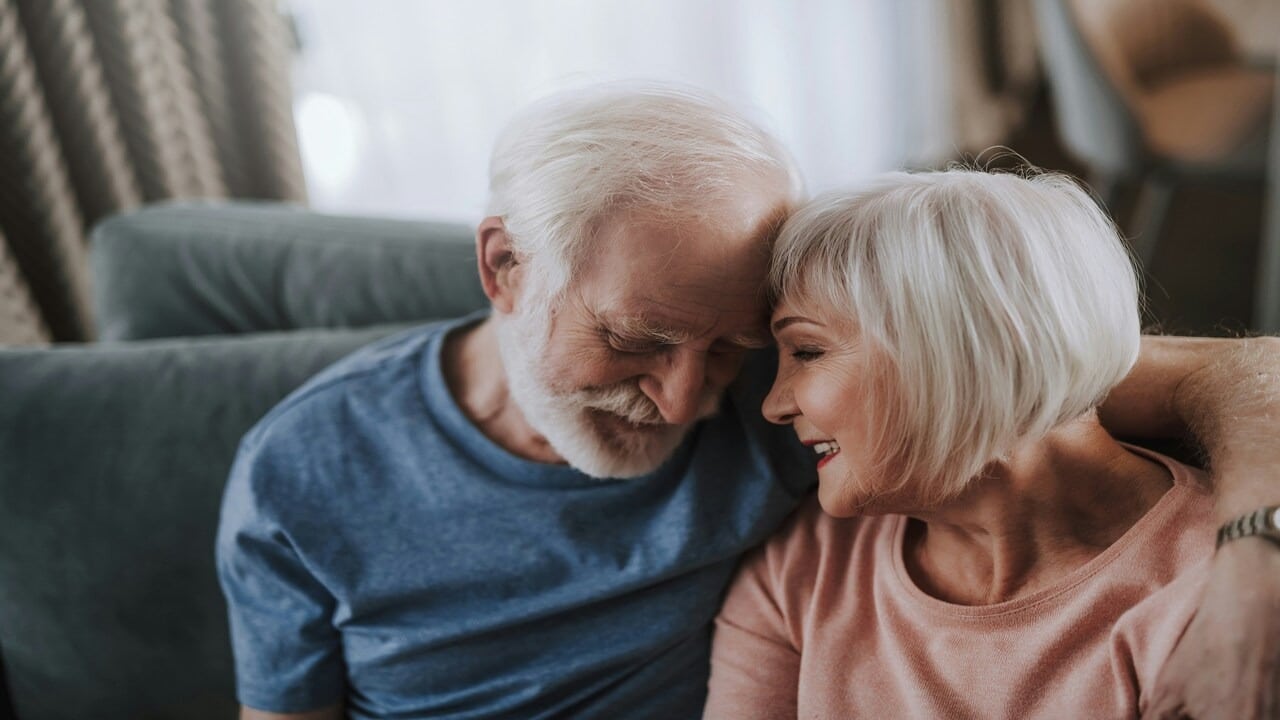
Secure attachment balances openness with boundaries. Secure people can be vulnerable without dumping unresolved trauma onto others prematurely. Emotionally, they understand timing and emotional pacing. This creates safety rather than overwhelm. If you’re working on this, share gradually and notice how the other person responds instead of forcing intimacy. Healthy closeness unfolds—it doesn’t flood.
They Recover From Rejection Without Collapsing

Rejection hurts secure people too—but it doesn’t define them. Emotionally, they can feel disappointed without spiraling into self-blame or emotional shutdown. They understand that not every connection is meant to last. This resilience allows them to stay open rather than guarded. You can build this by reframing rejection as information, not a verdict on your value.
They Feel Safe Expressing Disagreement
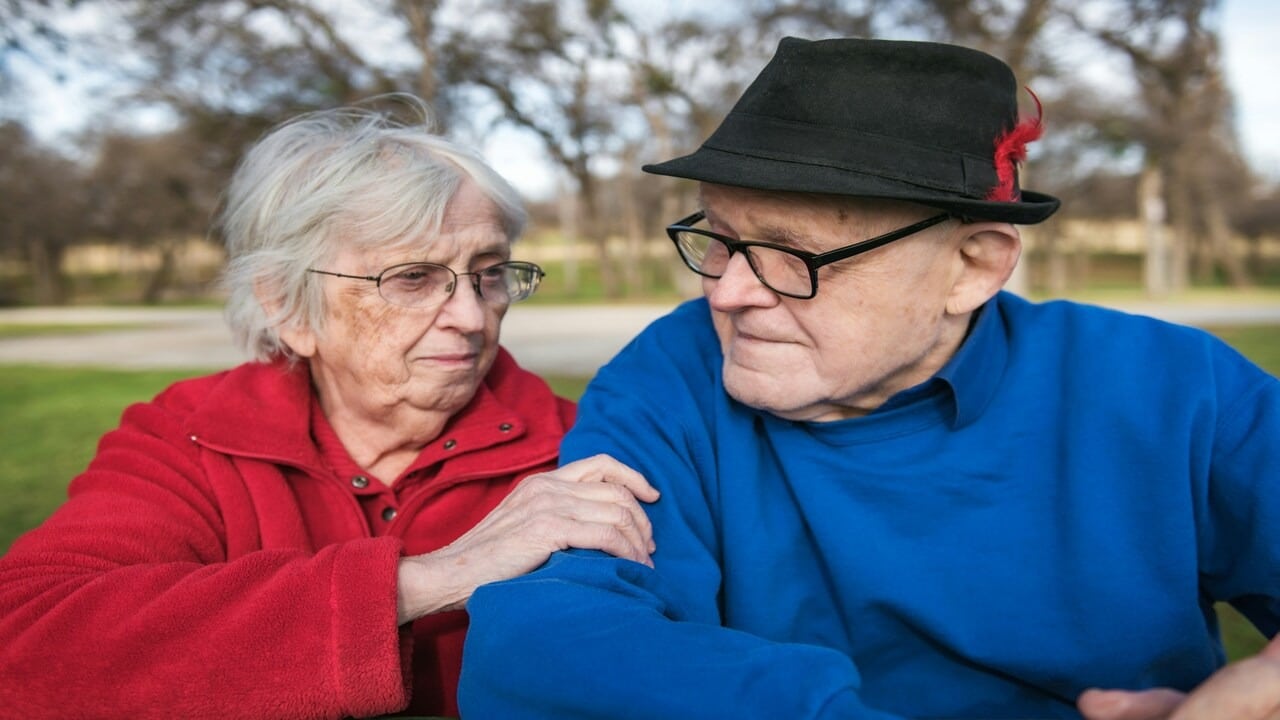
Securely attached people don’t fear disagreement as a threat to connection. Emotionally, they trust that differing opinions won’t lead to abandonment. This allows for honest conversations without walking on eggshells. They don’t suppress their views to keep peace. Practice this by voicing mild disagreements and noticing that the relationship survives. Emotional safety grows through real expression.
They Regulate Themselves Before Seeking Regulation

Secure attachment doesn’t mean never needing comfort—it means not demanding it as the first response. Secure people try to calm themselves before reaching outward. Emotionally, this creates balance instead of dependency. They seek support, not rescue. You can practice this by grounding yourself first—breathing, reflecting—before asking someone else to soothe you.
They Separate Past Wounds From Present Moments

Securely attached people don’t let old emotional injuries dictate current reactions. They recognize when a trigger belongs to the past, not the present relationship. This emotional awareness prevents projection and overreaction. If you want this pattern, start asking, “Is this about now—or something old?” Healing begins with distinguishing the two.
They Don’t Use Distance to Punish

Secure attachment doesn’t weaponize silence or withdrawal. Secure people may take space, but it’s for regulation—not control. Emotionally, they understand that disappearing creates insecurity, not resolution. They communicate their need for space clearly. To build this, replace silent treatment with honest statements like, “I need time to think, but we’ll talk later.”
They Trust Love Without Constant Proof

Securely attached people don’t need continuous reassurance that they’re chosen. Emotionally, they trust consistency over constant affirmation. This makes relationships feel lighter and less pressured. They notice actions more than words. You can practice this by letting reliability speak louder than reassurance. Calm trust often feels quieter than anxiety—but far stronger.
They Believe They Are Worth Loving as They Are

At the core of secure attachment is a steady sense of emotional worth. Secure people don’t believe they must perform, please, or shrink to be loved. This belief shapes everything—from boundaries to partner choice. If you want to develop secure attachment, start here: work on self-respect, not perfection. Emotional security grows when you stop negotiating your worth.








Ask Me Anything