
A lot of women say “It’s fine” on Valentine’s Day when it is not fine. Not because they want drama, but because they can feel what the effort represents. Valentine’s Day becomes a magnifier of patterns that already exist the other 364 days. Small disappointments often feel bigger because they signal thoughtlessness, avoidance, or low priority. Many women pretend it does not matter to avoid sounding needy or ungrateful. But pretending stacks resentment over time. These are the disappointments that often get dismissed out loud, then remembered quietly.
He Remembers the Day, But Not What She Actually Likes
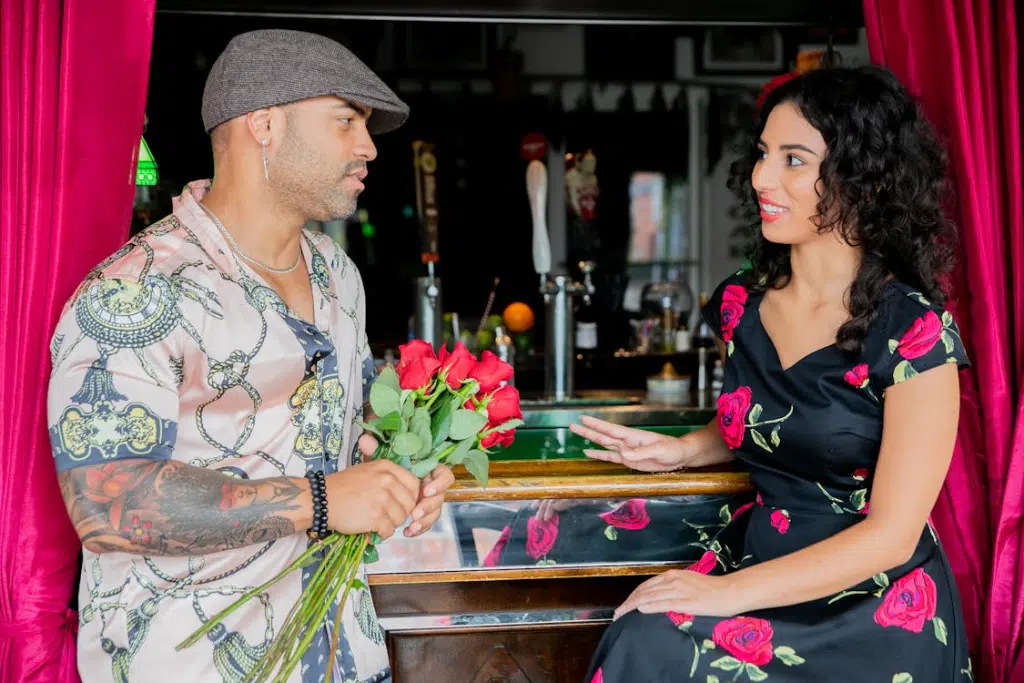
He knows it is Valentine’s Day, but he does not know her preferences. The gift feels random, like he shopped for “a woman” not for her. She may smile because she appreciates effort, but it still stings. Being known matters more than being celebrated. Generic gestures can feel like emotional distance. Thoughtfulness is accuracy, not price.
She Has to Hint, Remind, or Basically Manage It

The day becomes another task she coordinates. She drops hints, checks availability, and still worries nothing will happen. When she has to manage romance, it stops feeling romantic. It also reinforces the “mental load” problem in the relationship. She might pretend it is no big deal, but it often changes attraction. Effort feels different when it is self-initiated. A man leading the plan signals priority.
He Does Something Only Because He Feels Forced

Some men deliver effort with a resentful tone. The gesture comes with sighs, jokes, or passive comments about “having to do this.” She may accept it to keep peace, but the mood ruins the meaning. Obligation energy feels like low desire. It tells her she is a chore, not a choice. Many women would rather get nothing than get resentment. Romance cannot land when it is delivered like punishment.
The Day Is Treated Like a Transaction
She notices when he expects “something in return.” It can be sex, praise, or the idea that he is now off the hook. That transactional vibe makes her feel like the relationship is a barter system. She might pretend it does not matter to avoid a fight. But it often leaves a sour aftertaste. Romance should be given freely, not used as leverage. When affection becomes currency, trust drops.
He Waits Until the Last Minute and Calls It Effort

Last-minute flowers and a rushed plan can feel like an afterthought. She can tell when it was panic shopping, not intention. It suggests she was not top of mind until the deadline hit. Many women pretend it is fine because they do not want to micromanage. But lateness in effort often mirrors lateness in attention. It is not about perfection, it is about priority. Planning shows care before pressure.
He Does the Minimum and Acts Like It’s Huge

A small gesture can be meaningful, but entitlement ruins it. If he wants applause for basic effort, she feels unseen. She may say thank you while feeling irritated internally. This dynamic can make her feel like she is parenting his ego. In healthy relationships, effort is normal, not exceptional. She wants partnership, not a performance review. Consistency matters more than “one time” effort.
The Gift Feels Like He Bought It for Himself Too

Sometimes the plan is more aligned with what he enjoys. It might be his favourite restaurant, his idea of fun, or something that benefits him. She will often go along to avoid sounding ungrateful. But it signals he is still self-focused in the relationship. Romance should feel tailored to her, not convenient for him. Feeling considered is the point. A date that is mostly for him is not intimacy.
He Avoids Any Real Emotional Words

Some men show up physically, but stay emotionally locked. No sincere compliment, no appreciation, no warmth. She may tell herself that “actions matter more,” which is true, but emotional expression still matters. Silence can feel like distance, not masculinity. A few honest sentences can change everything. When she gets none, the night feels hollow. Romance needs emotional presence, not just logistics.
He Acts Romantic in Public, Then Cold in Private

Public affection can feel performative when private life is tense. She notices if the sweetness exists only around others. It makes her feel like an accessory to his image. Many women will smile through it to avoid embarrassment. But inside, it can feel lonely. Private warmth is what builds trust. Public romance without private care is a red flag pattern. It teaches her that optics matter more than connection.
He Uses Valentine’s Day to Avoid Fixing Real Problems

He plans a nice night, but refuses to address recurring issues. The day becomes a distraction tactic. She may appreciate the effort and still feel frustrated. Romance cannot replace repair. If disrespect, neglect, or broken trust exist, one dinner does not change it. She often pretends it is enough because she wants peace. But the unresolved issue returns immediately after. Avoidance dressed as romance is still avoidance.
He Turns It Into a Joke So He Doesn’t Have to Be Vulnerable

Some men use sarcasm to keep emotional distance. He laughs at romance, calls it cheesy, or mocks the holiday. She may laugh too, but it often feels like rejection. Vulnerability is part of intimacy. Humor can be bonding, but not when it blocks affection. The message becomes, “Don’t expect softness from me.” Over time, she stops asking. That is how women go emotionally quiet.
She Feels Like She’s Competing With His Phone

Even on a “special night,” he scrolls, checks messages, or stays distracted. She might ignore it to avoid being labelled controlling. But it signals low attention and low presence. Being on the phone can feel like being second place. Romance requires focus, not background interaction. This disappointment is subtle but sharp. Nothing kills intimacy faster than divided attention.
He Doesn’t Make Space for Her to Feel Chosen

A lot of women do not need a grand event. They need a moment where they feel intentionally selected. That can be eye contact, a compliment, or a plan that shows effort. When the night feels routine, she feels replaceable. She may pretend she is low-maintenance, but being chosen matters. Romance is partly psychological. It is the feeling of being valued uniquely. Without that, the day feels flat.
He Makes It About His Stress Instead of Her Experience

He complains about traffic, cost, crowds, or how busy he is. She may empathise and still feel disappointed. Because the focus becomes his suffering, not her celebration. Romance involves carrying some discomfort without making it the headline. Many women will stay quiet to avoid conflict. But it changes the emotional tone of the night. Stress talk turns affection into management. She wanted a break from that role.
He Forgets That Small Details Are What Make It Romantic

The small details often matter most: a card, a note, a meaningful memory, or a thoughtful reference. When those are missing, the gesture feels mechanical. She might still appreciate the surface effort. But she notices when nothing about it feels personal. Detail is evidence of attention. Attention is evidence of love. Without detail, she feels like an obligation. That is a quiet disappointment many women swallow.
He Expects Her to Be Grateful No Matter How It Lands

Gratitude is fair, but forced gratitude is not. If she has to perform excitement, the night becomes emotionally exhausting. She may feel guilty for wanting more. But wanting more thoughtfulness is not greed, it is relational desire. A healthy partner cares how the gesture lands, not just that it happened. If he gets defensive, she learns to lower expectations. Lower expectations are how romance dies. She stops hoping because hope becomes risky.
She Realises She Puts More Care Into Him Than He Puts Into Her

Valentine’s Day can highlight imbalance. She remembers the thoughtful things she does and compares them to his effort. She may hide that comparison to avoid sounding bitter. But imbalance creates long-term resentment. Being the “romantic one” gets tiring. Many women eventually stop doing extra because it feels one-sided. When she stops, he often acts confused. The truth is, she was carrying the vibe.
The Night Ends and She Already Knows Nothing Will Change

This is one of the heaviest disappointments. Even if the night is fine, she knows it is temporary. She can sense that tomorrow returns to neglect, distance, or routine indifference. She may pretend it does not matter because admitting it hurts. But hopelessness is a relationship killer. When a woman stops believing effort will be consistent, she starts detaching. Detachment looks calm at first. Then it becomes distance.
She Feels Guilty for Wanting Romance at All

Many women minimize their needs to avoid shame. They tell themselves they are asking for too much. But wanting to feel loved is not a character flaw. When a woman feels guilty for needing affection, she shuts down. She starts accepting less and calling it maturity. Over time, that becomes resentment or emotional numbness. Romance is not childish, it is connective. If she has to apologise for wanting it, the relationship is already drifting.
Pretending It Doesn’t Matter Is How It Starts to Matter More

Valentine’s Day disappointments are rarely about roses alone. They are about effort, attention, and what those choices signal about priority. Many women pretend it does not matter to keep peace, but the feelings do not disappear. They collect. The healthiest move is not to demand perfection, but to be honest about patterns early. Romance survives when it becomes consistent, personal, and freely given. When it stays performative, it becomes a yearly reminder of what is missing. A relationship should not need one day to feel loved.








Ask Me Anything