
Valentine’s Day often gets blamed for relationship tension. But the day itself usually just highlights what is already happening. When expectations are unspoken, partners end up guessing, assuming, and disappointing each other without meaning to. Some people want romance, some want simplicity, and some want nothing at all. Problems begin when those preferences are not discussed clearly. Then the day becomes a test instead of a celebration. The healthiest couples treat Valentine’s Day like a conversation starter, not a performance review. These truths show how unspoken expectations create drama long before any flowers or dinner plans.
People Expect Mind-Reading Instead of Making Requests
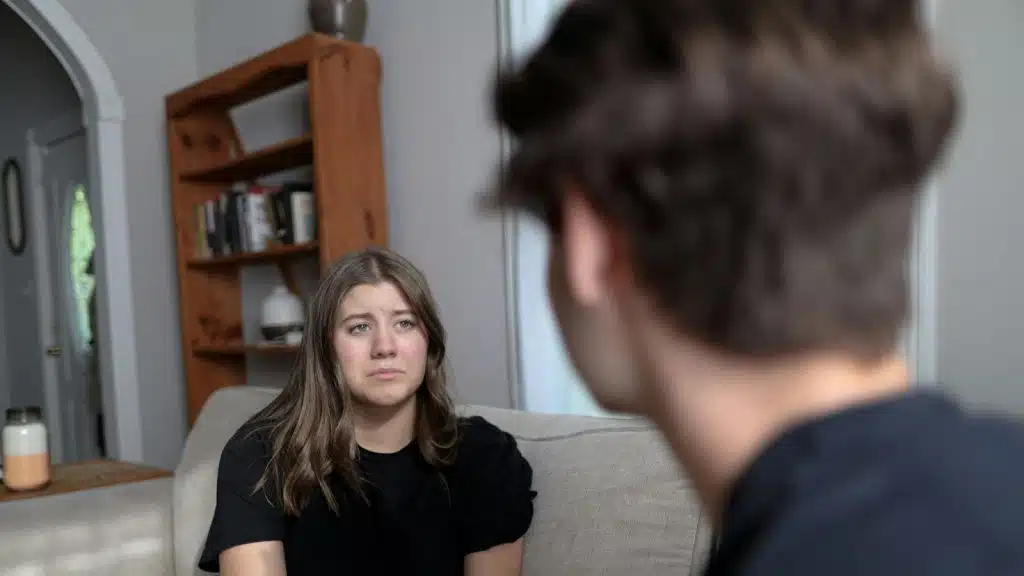
Many couples never say what they actually want. They assume it should be obvious. That turns Valentine’s Day into a guessing game. Guessing games create anxiety and defensiveness. A partner might try hard and still miss the mark. Then effort gets punished instead of appreciated. Clear requests reduce stress and increase success. Honesty beats mind-reading every time.
One Person Thinks It’s “No Big Deal,” the Other Thinks It’s a Signal

Different meanings create different reactions. One partner may see Valentine’s Day as optional. The other may see it as proof of care. When this is not discussed, both feel misunderstood. The “no big deal” partner feels pressured. The “it matters” partner feels dismissed. Neither is automatically right or wrong. The conflict comes from assumption, not the holiday. Agreement matters more than the day itself.
The Pressure Is Often About Feeling Chosen

Many people do not want expensive gifts. They want to feel prioritized. When effort feels lazy or last-minute, it can read as indifference. The hurt is often emotional, not material. A small thoughtful plan can mean more than an expensive one. Being chosen is about attention and intention. Partners often miss that and focus only on money. The emotional meaning is usually the real issue.
People Compare Their Relationship to Social Media Highlight Reels

Valentine’s Day brings public comparison. People see curated posts and assume that is the standard. This can create insecurity and resentment. A partner might feel like they are competing with the internet. Another might feel embarrassed if their relationship looks “less romantic.” Comparison turns love into a scoreboard. It also ignores what a couple actually values. Social media pressure creates expectations that were never agreed on. Couples do better when they choose their own rules.
Some Partners Want Romance, Others Want Relief

For some, romance feels energizing. For others, it feels like another task. Stress, kids, finances, and work can make Valentine’s Day feel heavy. When one partner wants a special night and the other wants rest, conflict happens. Both needs are real. The mistake is not talking about energy levels. A celebration should not feel like punishment. Negotiation creates a plan that works for both. Unspoken expectations create resentment.
The “Test” Mentality Turns the Day Toxic

When Valentine’s Day becomes a test, nobody wins. Tests are often created by silence and fear. One partner waits to see what the other does. Then they interpret the result as proof of love or lack of love. This creates emotional pressure and anxiety. Even good effort can feel wrong if it was not what was imagined. Tests create punishment, not connection. A conversation is healthier than a silent exam.
Some People Want a Grand Gesture Because They Feel Neglected Otherwise

Big expectations often appear when small daily effort is missing. If the relationship has felt emotionally dry, Valentine’s Day becomes the chance to “make up for it.” That puts too much weight on one day. The partner who feels neglected hopes for a reset. The other partner may not realize how much is riding on it. Then disappointment becomes intense. One day cannot fix months of disconnection. The real solution is consistent daily care.
Others Want It Low-Key Because They Feel Financial Pressure

Money stress changes how romance feels. Some partners fear Valentine’s Day because it feels expensive. They may avoid planning to avoid spending. The other partner may interpret avoidance as lack of care. This creates a painful misunderstanding. Many people would rather have thoughtfulness than cost. But financial anxiety can shut down initiative. A budget conversation can prevent a lot of hurt. Clear limits create freedom, not disappointment.
People Forget That Planning Is Part of the Gift

Planning is an act of care. It shows attention, effort, and follow-through. Many conflicts happen because someone waits too long. Then the options are limited and stress rises. The other partner feels like an afterthought. Even a simple plan feels better than no plan. Planning reduces tension and increases excitement. Being proactive often matters more than being perfect. Most disappointment starts with delay.
Some Couples Avoid the Topic Because They Fear Conflict

Avoiding the conversation does not avoid the outcome. It usually makes the outcome worse. Couples who fear conflict often stay vague until the day arrives. Then resentment appears because nothing matches expectations. Avoidance creates silent pressure. One partner thinks, “They should know,” while the other thinks, “If it mattered, they would say.” Both are stuck in silence. A short honest conversation prevents a long emotional fight. Clarity is not romance-killing; it is stress-killing.
Gifts Become a Stand-In for Deeper Problems

Sometimes Valentine’s Day fights are not about the gifts. They are about feeling unseen, unappreciated, or emotionally alone. The gift becomes the symbol of bigger disappointment. A partner may say, “It’s fine,” but it is not about the object. It is about the pattern. When deeper needs are ignored, one day becomes the battlefield. Fixing the gift does not fix the relationship. Fixing the daily dynamic does. Valentine’s Day just exposes what is already there.
People Assume Effort Should Be Automatic Forever

Long-term relationships require intention. Many couples stop doing small romantic habits because life gets busy. Then Valentine’s Day feels awkward and forced. The expectation becomes “bring the spark back for one night.” But spark often follows consistent effort, not sudden performance. When romantic effort is rare, pressure increases. Pressure creates anxiety, not closeness. Making romance occasional makes Valentine’s Day harder. Making romance normal makes it easier.
One Person Wants Surprise, the Other Wants Specificity
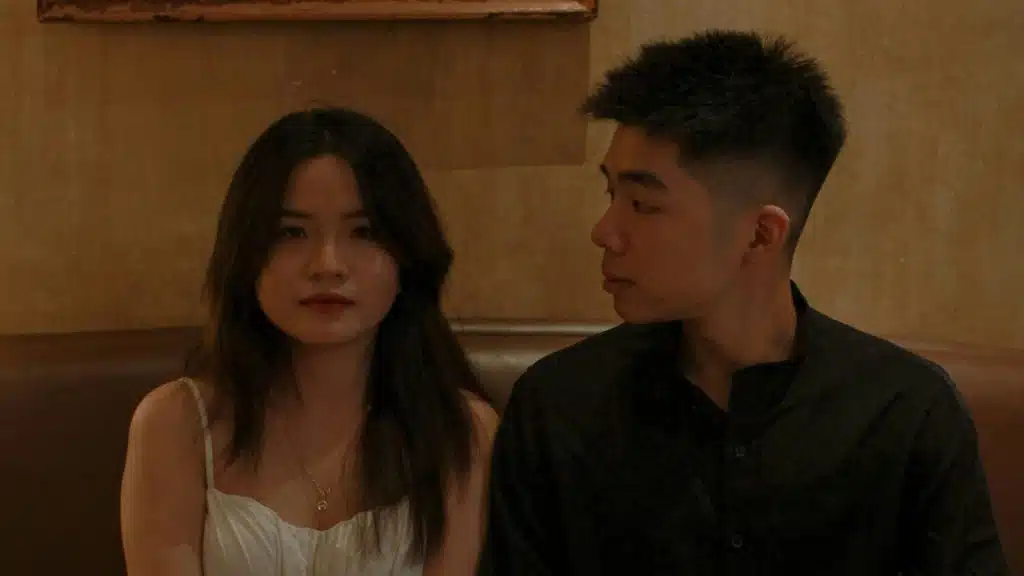
Surprises are romantic for some people. For others, surprise feels risky because it might be wrong. If the surprise fails, it can trigger disappointment. But if everything is specified, the planner may feel controlled. Different personalities need different approaches. This is not about love; it is about preference. A couple can compromise by agreeing on a category and leaving details open. Surprise works best when the basics are aligned. Unspoken preference creates unnecessary stress.
Some People Want Public Effort, Others Want Private Effort

One partner might want a post, a photo, or a public gesture. The other might find public romance uncomfortable. Without clarity, one feels embarrassed and the other feels pressured. Public validation is not the same as private love, but it matters to some people. This does not make anyone shallow. It just means love languages differ. The conflict comes from assuming everyone wants the same thing. Private effort can still be meaningful if it is intentional. The key is agreement.
Expectations Often Reveal Relationship Roles

Valentine’s Day exposes who usually carries planning and emotional labor. If one person always plans dates, birthdays, and connection time, resentment can spike. The day becomes proof that effort is uneven. The other partner may not realize how much is being carried. When emotional labor is invisible, the relationship feels unfair. Fairness issues often explode on “special” days. The fix is shared responsibility, not perfection. When both people contribute, the day feels lighter.
Disappointment Often Comes From Lack of Recognition

Many partners do try, but their effort is not acknowledged. When effort is met with criticism, motivation drops. This creates a cycle where both people feel unappreciated. Valentine’s Day becomes another round of “nothing is good enough.” Recognition matters even when the plan is not perfect. Appreciation softens the relationship and encourages more effort. Criticism hardens the relationship and reduces effort. Most couples need more recognition, not more romance pressure. Feeling appreciated is often the real gift.
The Real Problem Is That Many Couples Never Define What “Good” Looks Like

A “good” Valentine’s Day looks different for different couples. Some want dinner, some want intimacy, some want quiet time, some want gifts. Without defining it, partners keep guessing. Guessing creates disappointment and resentment. A couple can avoid drama by agreeing on a simple standard. That standard can change over the years. But it needs to be spoken. Unspoken rules create avoidable conflict. Spoken standards create teamwork.
Clear Expectations Beat Big Gestures

Valentine’s Day rarely ruins relationships by itself. Unspoken expectations do the damage because they turn the day into a silent test. Couples do better when they talk early, set a simple plan, and choose what matters to them. Thoughtfulness does not have to be expensive, and romance does not have to be perfect. The goal is connection, not competition. A good Valentine’s Day is one where both people feel considered. That happens through clarity, initiative, and appreciation. When expectations are spoken, the day becomes lighter and more enjoyable. Romance thrives when pressure drops and teamwork rises.








Ask Me Anything