
Let’s get one thing straight. Most guys think they are the victim when a relationship goes sideways. That mindset feels safe, but it can quietly keep you stuck. Growth starts when you’re willing to look in the mirror without flinching. This is about accountability, clarity, and leveling up how you show up in love. If you want better relationships, you need better self awareness. These signs are checkpoints.
You Always Play the Victim

You default to thinking your partner is always the problem. Every argument turns into a story where you are misunderstood or wronged. You rarely ask how your actions might contribute to the tension. This mindset keeps you from learning anything new. It also makes your partner feel unseen and unheard. Over time, this kills emotional safety. Accountability is not weakness. It’s power.
You Avoid Hard Conversations

You dodge serious talks because they feel uncomfortable. Instead of addressing issues, you hope they disappear. Silence becomes your coping strategy. The problem is that unresolved tension never actually goes away. It just shows up later as resentment. Your partner feels shut out when you refuse to engage. Real intimacy requires courage, not avoidance.
You Get Defensive Instead of Curious

The moment feedback comes up, your walls go up. You interrupt, explain, or justify instead of listening. Curiosity would help you understand your partner’s perspective. Defensiveness shuts that door fast. Even valid points get lost when you focus on protecting your ego. This pattern turns simple conversations into battles. Growth starts when you pause and listen.
You Expect Mind Reading

You assume your partner should just know what you want. When they don’t, you feel disappointed or annoyed. You rarely communicate your needs clearly. This creates confusion and unnecessary conflict. Clear communication is not needy. It’s respectful. Relationships thrive on clarity, not assumptions.
You Struggle With Consistency

You show up strong at the beginning, then slowly fade. Effort becomes optional once comfort sets in. Your words say one thing but your actions say another. This mismatch creates distrust over time. Consistency builds security. Inconsistency creates anxiety. Love needs steady effort, not occasional bursts.
You Prioritize Being Right Over Being Connected

Winning the argument matters more than fixing the issue. You focus on facts instead of feelings. Even when you are technically right, the relationship loses. Connection requires empathy, not scorekeeping. Your partner wants to feel understood, not defeated. Being right does not equal being healthy. Choose connection more often.
You Shut Down When Emotions Get Real
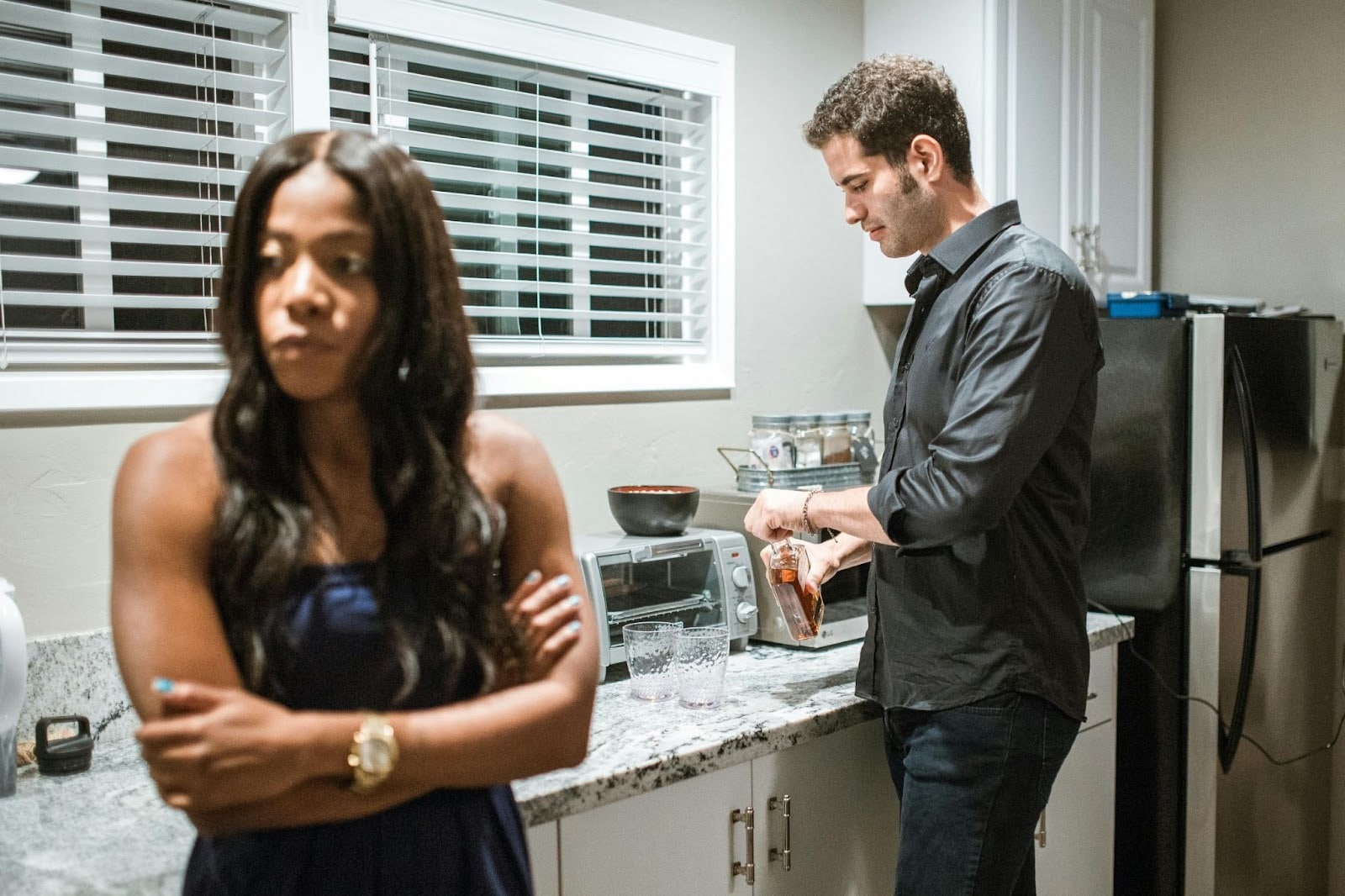
When feelings intensify, you emotionally check out. You go quiet, distant, or distracted. This leaves your partner alone in vulnerable moments. Emotional availability is a core relationship skill. Avoiding emotions does not make you strong. It makes you unreachable. Presence matters more than perfection.
You Repeat Patterns Without Reflection

Your relationships keep ending the same way. Different people, same outcome. You blame compatibility instead of looking deeper. Patterns are signals asking for attention. Reflection helps you break cycles. Ignoring them keeps you stuck. Growth begins when you notice the pattern.
You Use Humor to Deflect Serious Issues

Jokes become your escape route during tough moments. Humor is great, but timing matters. When everything becomes a joke, nothing feels safe. Your partner may feel dismissed or minimized. Serious conversations deserve respect. Balance lightness with emotional depth. Avoidance dressed as humor still counts as avoidance.
You Avoid Taking Initiative

You wait for your partner to lead everything. Plans, conversations, and emotional check ins are on them. This creates imbalance over time. Initiative shows care and investment. Passivity can feel like disinterest. Relationships need shared effort. Step up without being asked.
You Confuse Independence With Emotional Distance

You pride yourself on being self-sufficient. But you keep emotional walls high. Independence is healthy, emotional distance is not. Vulnerability does not erase your strength. It deepens the connection. Letting someone in is a choice. Distance should not be your default setting.
You React Instead of Respond

You let emotions drive your behavior in the moment. Anger, frustration, or stress take the wheel. Reactions are fast and messy. Responses are thoughtful and intentional. This difference shapes how conflicts unfold. Pausing can change everything. Self-control is a relationship skill.
You Expect Your Partner to Fix You

You rely on the relationship to fill emotional gaps. Happiness, validation, or purpose comes from them. This creates pressure and imbalance. A partner should complement your life, not complete it. Self work matters. Healing is your responsibility. Love works best when both people are whole.
You Avoid Apologizing Properly

Your apologies come with explanations or excuses. You focus on intent instead of impact. A real apology acknowledges harm clearly. It does not defend or minimize. This habit damages trust over time. Accountability repairs more than words alone. Say sorry and mean it.
You Resist Compromise

You see compromise as losing ground. Flexibility feels like weakness. Relationships require give and take. Rigid expectations create constant friction. Compromise does not erase your needs. It balances them with someone else’s. Healthy relationships are built on mutual adjustment.
You Dismiss Emotional Needs as Overreactions

You label emotions as dramatic or unnecessary. This invalidates your partner’s experience. Emotional needs are real, even if you don’t share them. Dismissal creates distance fast. Validation does not mean agreement. It means respect. Empathy is a choice you can practice.
You Avoid Looking Inward

You focus on fixing the relationship, not yourself. Self reflection feels uncomfortable so you skip it. But lasting change starts internally. Awareness gives you options. Avoidance keeps you repeating mistakes. Growth is an inside job. The relationship improves when you do.








Ask Me Anything