
A relationship should feel like partnership, not a permanent project to manage. When a woman feels forced into the “manager” role, attraction often drops and resentment often rises. This role is usually not chosen, it is assumed out of necessity. She starts tracking details, anticipating problems, and carrying responsibility to keep things stable. From the outside, it can look like she is controlling or overly critical. But often, she is compensating for inconsistency, avoidance, or lack of initiative. These signs show when she is managing the relationship instead of actually enjoying it.
She Reminds, Follows Up, and Re-Explains the Same Things Constantly

If she has to repeat basic requests, she starts sounding less sweet and more firm. Reminders become part of the daily routine because follow-through is unreliable. She may feel like she is coaching basic adulthood, not building a life together. Over time, she stops expecting initiative and starts expecting delays. That expectation creates tension even in small moments. The relationship begins to feel like a system she must run. Enjoyment drops when nothing stays handled.
She Is the Default Planner for Everything
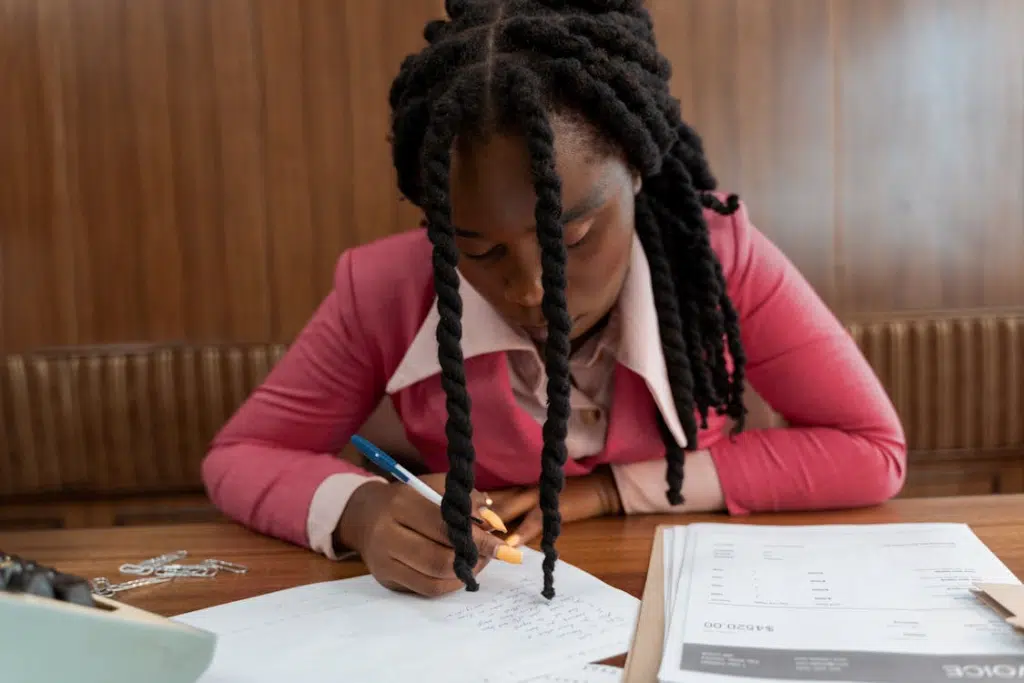
Plans do not happen unless she makes them happen. Dates, trips, family events, and even simple weekends rely on her direction. When she stops planning, nothing replaces it. This makes her feel like the relationship has no momentum without her. She may start resenting the idea of being “the organised one.” Planning becomes emotional labour, not a fun skill. It is hard to feel desired when she also feels like the manager. Romance struggles when initiative is one-sided.
She Tracks Responsibilities Like a Scoreboard

She remembers who did what, who forgot what, and who avoided what. This is not always petty, it is often survival. Tracking becomes a way to protect herself from being taken advantage of. She may bring up past examples because the pattern keeps repeating. The relationship starts feeling like accountability management. When she feels like she must keep receipts, trust is already strained. Enjoyment fades when fairness feels uncertain. Love becomes negotiation instead of connection.
She Handles Problems Before They Become Emergencies

She anticipates consequences that her partner seems blind to. She prevents missed bills, forgotten obligations, and avoidable conflicts. This can make her seem anxious or controlling. But often, she is preventing chaos caused by neglect or delay. Over time, she becomes mentally exhausted from constantly forecasting. She is not enjoying the relationship, she is running risk management. This creates chronic tension in her body. A woman who is always preventing collapse rarely feels relaxed.
She Has a “Checklist” Mindset in Conversations

Her tone becomes practical and task-focused, even during emotional talks. She asks direct questions because she needs clear answers. She pushes for decisions because vague discussions keep repeating. This can make her seem cold or intense. But the checklist mindset is often built from disappointment. She is trying to turn feelings into action because emotions alone have not changed anything. Enjoyment disappears when every talk is about fixing. Romance does not thrive in constant problem-solving mode.
She Takes Over Because Delegating Feels Like a Risk

If she delegates, it does not get done or it gets done poorly. She then feels forced to redo it, which doubles her workload. Over time, she stops asking and just handles it herself. This builds resentment because she feels alone in responsibility. She may also feel guilty for being frustrated, which adds more stress. Taking over becomes a coping mechanism, not a personality trait. She starts acting like a project manager because she cannot rely on the team.
She Uses Firm Tone More Often Than Soft Tone

Soft requests stop working when they are ignored. She becomes more direct because she needs results, not vibes. This shift can make the relationship feel less playful. The firmness is often a sign of emotional fatigue. She may not want to sound strict, but she feels forced into it. When softness is not respected, it stops feeling safe. A woman who cannot relax into softness is not enjoying herself. She is protecting the relationship structure.
She Notices Everything Because Nobody Else Is Watching
She spots small problems before they grow. She sees the emotional undercurrents and the practical consequences. She often knows when something is off before it is acknowledged. This level of awareness can be exhausting when it is not shared. She may feel like the only adult paying attention. When she stops noticing, things fall apart. That is when her vigilance becomes mandatory. Enjoyment cannot thrive when she feels like the only one awake.
She Is Always the One Pushing for “The Talk”

Conversations about expectations, boundaries, and future plans always start with her. She brings up what is not working while he prefers to keep things light. Over time, she feels like the only one investing in growth. That imbalance creates resentment. She may start feeling needy even when her needs are reasonable. The relationship becomes emotionally one-sided. Enjoyment drops when she has to chase clarity. A woman who feels she must force direction is managing, not relaxing.
She Gets Irritated Over Small Things That Are Really Big Things

The reaction looks like it is about dishes or late replies. But the real issue is the pattern underneath. Small neglect becomes symbolic when it happens repeatedly. She is not mad about one event, she is tired of the message it sends. That message is often “this will fall on you.” Over time, she becomes less patient because the same cycle keeps happening. Her irritation is often accumulated disappointment. Enjoyment disappears when small things carry heavy meaning.
She Prepares for Conflict Even During Calm Moments

She anticipates defensiveness, excuses, or shutdown. So she chooses her words carefully and rehearses what to say. This is a sign the relationship does not feel emotionally safe. She is managing his reactions, not expressing freely. Over time, this creates anxiety and emotional exhaustion. She may seem tense or overly sensitive. But often, she is operating in prevention mode. A woman who has to manage reactions is not enjoying connection.
She Becomes the “Relationship Therapist” Without Being Asked

She reads articles, suggests counselling, and tries to fix communication patterns. She may even translate his feelings for him. This role becomes heavy because it is not reciprocal. She starts doing emotional work that should be shared. Over time, this can kill attraction because it feels like parenting. She is trying to save the relationship alone. That is not partnership, it is rescue. Enjoyment fades when she becomes the only one investing in repair.
She Stops Asking for Help and Starts Assuming She Will Do It

This is a major sign of resignation. She no longer believes asking will lead to consistent support. So she chooses the faster path, which is doing it herself. That choice can look independent, but it often hides disappointment. Over time, she becomes emotionally distant because she is living as if she is alone. She may stop sharing details because she expects no follow-through. This reduces intimacy fast. A woman who expects solo effort will eventually detach.
She Acts More Like a Supervisor Than a Partner

She checks work, corrects tasks, and monitors follow-through. This is not because she wants control, but because she wants reliability. The dynamic shifts from romance to management. The more she supervises, the less attraction she feels. The more he resents supervision, the less he contributes willingly. This becomes a negative loop. It is hard to enjoy love when it feels like managing performance. Partnership requires ownership, not oversight.
She Becomes Less Playful and More Serious

Playfulness requires safety and free energy. When she is exhausted, play becomes hard. She may laugh less, flirt less, and initiate less affection. She is not necessarily bored, she is burdened. The relationship starts feeling like duty. Many men misread this as her “losing interest.” But often, she lost lightness because she is carrying too much. Enjoyment returns when the load is shared, not when she is told to “relax.”
She Resents Being the Only One Who Thinks Long-Term

She worries about finances, future plans, family logistics, and life stability. If he avoids planning, she feels like she is building alone. That creates fear, not just frustration. Long-term thinking becomes lonely when it is not shared. She may start questioning whether he is a safe bet. This often shows up as criticism or pressure. But the pressure is rooted in insecurity about the future. A woman who feels alone in long-term planning is not enjoying the present.
She Feels Relief When He Is Not Around

This is one of the clearest signals that management has replaced enjoyment. Relief does not always mean she hates him. It can mean she gets a break from responsibility, tension, or emotional monitoring. Time alone feels lighter because she is not carrying two people’s weight. This can be a warning sign of burnout and emotional detachment. When someone feels more peace away from the relationship, something is wrong. Enjoyment should not require escape. Relief is the body’s honesty.
What Usually Turns a Woman Into the “Manager”

This role often starts when follow-through is inconsistent. It grows when responsibility is avoided and emotional labour is left unpaid. A woman becomes controlling when she feels unsafe relying on her partner. The manager role is usually built from necessity, not personality. Many women would love to soften, but they cannot if life collapses without them. The fix is not telling her to be less controlling. The fix is becoming more reliable and proactive. When partnership returns, management often fades naturally.
If She’s Managing, The Relationship Is Already In Danger

A woman managing the relationship is a sign the relationship is running on imbalance. She is compensating for missing initiative, unclear accountability, or emotional avoidance. Over time, management turns into resentment, and resentment turns into emotional distance. Many men only notice the distance and call it “attitude.” But the attitude often began as responsibility overload. When the load becomes shared, many women soften again quickly. The goal is not to silence her complaints, but to remove the need for her to manage.








Ask Me Anything