
Divorce rarely starts with a single explosion. More often, it is the moment people stop pretending things are fine, stop performing for the kids, and stop defending the story of the marriage. Many couples function for years in a state of quiet denial, convincing themselves that numbness is normal and distance is just adulthood. The legal divorce is often just the final step in a longer emotional process. This is not about blaming one person, it is about recognising when reality has replaced hope. When pretending ends, the relationship changes shape quickly. These signs often show that divorce is not the breaking point, but the point where pretending finally stops.
You Start Telling the Truth in Your Head Instead of Rewriting It

Pretending usually begins as self-protection. People explain away disrespect, loneliness, or broken trust with excuses like stress, timing, or personality. The shift happens when the internal narrative changes from “it will improve” to “this is who we are now.” You stop rationalising and start seeing patterns clearly. That clarity can feel painful, but also relieving. The marriage stops being a fantasy project. The mind stops editing reality to stay comfortable.
You Stop Covering for Your Partner Socially

Many couples pretend by protecting the image of the marriage. One partner makes excuses for the other’s behaviour, mood, or absence. When pretending ends, that protection fades. You stop cleaning up their mess socially and emotionally. You start answering questions more honestly, or you avoid the questions entirely. You no longer feel responsible for keeping the story alive. The relationship becomes harder to “sell” to others. This often happens when internal respect is already gone.
The Household Runs, But the Relationship Doesn’t

Some marriages continue as efficient systems. Bills get paid, meals get made, and schedules get handled. But the emotional relationship is missing. When pretending ends, you notice the difference sharply. You stop calling it “a rough season” and recognise it as a new normal. Functioning no longer feels like partnership. It feels like co-management. Divorce becomes the moment you admit that survival is not the same as connection.
You Realise the “Good Times” Are Mostly Performance

Many couples still have decent moments while pretending. They can laugh in public, take photos, attend events, and act polite. But the warmth feels staged, not real. The shift happens when you stop being fooled by occasional good moments. You see that they do not change the underlying pattern. You stop using one nice weekend to excuse months of distance. The performance starts feeling exhausting. Pretending ends when the mask becomes too heavy.
You Stop Expecting Emotional Safety at Home

Emotional safety is the belief that honesty will not be punished. Pretending continues when people hope safety can return soon. When it ends, you stop expecting comfort, empathy, or understanding from your spouse. You start protecting yourself with distance. You share less, ask less, and hope less. Home becomes neutral territory, not refuge. This is often when loneliness becomes sharper. Divorce becomes appealing because it promises emotional peace.
Your Body Reacts to Your Partner With Tension Instead of Warmth

The body often notices what the mind tries to deny. You feel stressed when they come home, or relieved when they leave. Conversations feel draining even when nothing dramatic is happening. Touch feels awkward or unwanted, even if you still care about them as a person. This is not always about attraction, it is about safety and trust. The nervous system stops treating them as “home.” When the body stays tense, pretending becomes harder. Divorce becomes the point where you stop ignoring the signal.
You Stop Initiating Repair Because It Feels Pointless

Repair takes emotional energy and hope. Pretending continues when you still believe talking might help. The shift happens when conversations feel like reruns. You stop bringing issues up because you already know the outcome. You stop trying to explain yourself in new ways. You conserve energy by letting things be broken. That quiet resignation is often misread as maturity. But it is usually detachment. Divorce becomes the moment you admit that repair is no longer being attempted.
You No Longer Feel Guilty for Wanting Space
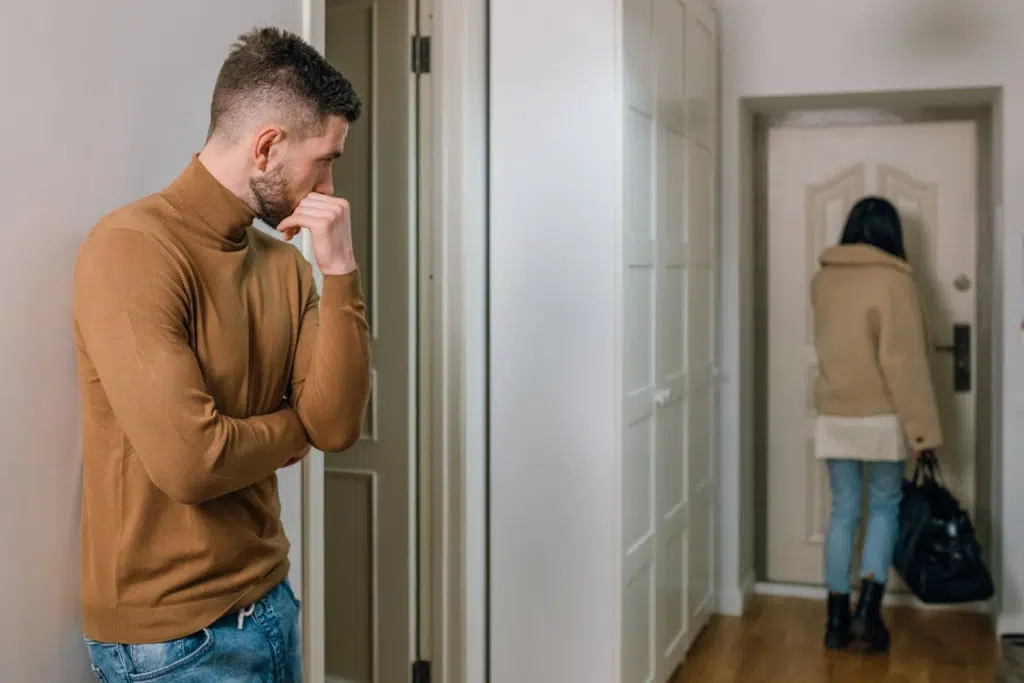
Pretending often includes guilt. People feel guilty for their resentment, boredom, or emotional distance. When pretending ends, the guilt fades because clarity replaces confusion. You stop feeling “mean” for needing boundaries. You stop apologising for wanting peace. Space starts feeling necessary, not selfish. This is a major internal shift because it changes behaviour quickly. Once guilt is gone, staying becomes harder to justify. Divorce becomes a boundary, not a betrayal.
You Stop Being Curious About Their Inner World

Curiosity is a sign of connection. Pretending can keep curiosity alive through routine and history. When it ends, you stop asking, “How are you really?” because you do not care the same way. You still may care as a human being, but the emotional investment drops. You stop noticing their moods and stop trying to help. Their stress stops feeling like a shared problem. This is not coldness, it is detachment. Divorce becomes a formality when curiosity dies.
You Notice How Often You Feel Alone While Together

Loneliness inside a marriage is different from being single. Pretending continues when people try to ignore that loneliness. When it ends, the loneliness becomes undeniable. You feel unseen, unheard, or emotionally abandoned. Even small interactions feel empty. You start preferring solitude over togetherness. That preference is a warning sign, not a personality change. It often means the relationship no longer nourishes. Divorce becomes a way to stop living with that daily contrast.
You Start Planning a Future That Doesn’t Include Them

This can be subtle at first. You think about where you would live, how you would handle money, or what life would feel like alone. You start organising your personal goals without assuming the marriage will be part of them. Pretending ends when future thoughts shift from “we” to “me.” This is not always selfish, it is often survival. The mind prepares for what the heart already knows. Once you are planning without them, staying becomes temporary. Divorce becomes a timeline, not a question.
You Stop Protecting Their Feelings at the Cost of Your Truth

Pretending often means swallowing needs to avoid conflict. You choose peace in the moment and pay for it long-term. When pretending ends, you start valuing truth over comfort. You stop softening everything to keep things stable. You say things more directly, or you stop speaking entirely and prepare to leave. Either way, the old pattern changes. You stop carrying the emotional burden alone. Divorce becomes the moment you refuse to keep lying to yourself. The relationship cannot survive when one person refuses the old script.
You Start Seeing the Relationship as a Pattern, Not a Phase

Pretending thrives on the idea of temporary stress. People tell themselves it is work, kids, money, or timing. When pretending ends, you see how long the pattern has lasted. You realise the same issues keep returning. You stop expecting time to fix character, habits, or values. You stop believing in “after things calm down.” The marriage becomes predictable in a bad way. Divorce becomes logical because the future looks like the past.
You Become More Honest With Friends Than With Your Spouse

This is often a turning point. You can speak clearly to outsiders, but not at home. You share feelings with friends because you do not feel safe sharing them with your partner. The emotional intimacy moves outside the marriage. That shift reduces the bond even more. Pretending continues when the marriage is still the main emotional home. When it ends, it becomes just the place you sleep. Divorce becomes more likely once emotional support is outsourced. Intimacy cannot survive long without honesty.
You Stop Fighting for Respect

In marriages still alive, disrespect gets challenged. People may argue, but they still defend boundaries. When pretending ends, you stop correcting tone, sarcasm, or dismissal. You choose silence because you no longer want to invest. That silence can look peaceful, but it signals surrender. The relationship becomes less about love and more about tolerating. When respect is not defended, it dies completely. Divorce becomes the final boundary when self-respect wins. You cannot pretend forever when dignity is involved.
“Staying for the Kids” Starts Feeling Like Teaching the Wrong Lesson

Many couples pretend for the children, believing separation is worse. The shift happens when staying starts to feel like modelling coldness, tension, or emotional avoidance. You begin to worry that the kids are learning that marriage is quiet misery. That fear can become stronger than the fear of divorce. Pretending becomes harder when you believe it is harming others. This is when many people finally seek clarity. Divorce becomes framed as a healthier decision, not a selfish one. The focus shifts from image to impact.
You Feel Relief When You Imagine the End

This is one of the clearest signals that pretending is over. Sadness may still exist, but relief becomes dominant. The thought of separation feels like breathing space. That relief is not always about excitement, it is often about peace. It signals that the marriage has been experienced as stress for too long. When relief outweighs fear, the decision is close. Divorce becomes the point where the nervous system finally stops bracing. People rarely choose divorce when the relationship still feels safe.
You Stop Negotiating and Start Preparing

Pretending keeps people negotiating in circles. They have the same conversations, the same promises, the same temporary improvements. When pretending ends, behaviour becomes strategic. You gather information, think through finances, and quietly plan logistics. You may not announce it because you want stability first. This is not always malicious, it is often self-protection. Preparation replaces debate. Once preparation starts, the decision is usually already internal. Divorce becomes paperwork that catches up to reality.
Divorce Becomes Possible When You Stop Protecting the Fantasy

The breaking point is often not the worst fight, but the end of denial. When people stop rewriting reality, stop performing, and stop protecting the story, divorce becomes the honest option. These signs often show a shift from hope to clarity, from repair to resignation, and from partnership to parallel living. Not every marriage with these signs ends, but they rarely heal without major, mutual change. The healthiest next step is usually honesty, boundaries, and real action, not more pretending. Divorce is painful, but pretending can be its own slow damage. Sometimes the end is not betrayal, it is finally telling the truth.








Ask Me Anything