
Routine keeps life stable, but it can quietly flatten a relationship. When days start looking identical, the relationship can start feeling like background noise. This does not always mean love is gone. Often, it means the couple stopped creating moments that feel new, personal, and emotionally alive. Desire tends to thrive on attention, novelty, and emotional presence. When routine takes over, those elements shrink. The result is a relationship that feels safe but dull. These reasons explain why love can feel boring when life becomes repetitive, and why it is often fixable.
Familiarity Starts Replacing Curiosity

At the start, partners ask questions and discover new layers. Over time, assumptions replace curiosity. Conversations become predictable because each person believes they already know the other. This reduces emotional freshness. When curiosity fades, partners stop feeling interested in each other. Interest is not only about personality; it is about attention. A relationship becomes boring when discovery stops. Curiosity is a simple way to make love feel alive again.
Conversations Become Only Logistics

Many couples slowly become project managers of their household. Talks revolve around bills, schedules, errands, and responsibilities. Emotional conversations become rare because life feels too busy. The relationship then feels functional but not intimate. When emotional connection drops, romance often follows. Logistics matter, but they cannot be the whole relationship. Love starts feeling boring when everything sounds like a checklist. Emotional presence is what makes routine feel warm instead of empty.
There Is No Anticipation Left

Anticipation is a spark ingredient. When nothing is planned, nothing feels special. Couples may stop scheduling dates, trips, or even small rituals. Then the relationship becomes a predictable loop. Predictability reduces excitement because the brain stops expecting anything new. Anticipation does not require expensive plans. It requires something to look forward to together. Without it, love can feel like the same day repeating. The relationship needs occasional “next” moments.
Stress Uses Up the Relationship’s Energy

Routine often becomes heavier when stress increases. Work pressure, parenting, finances, and responsibilities can consume emotional capacity. Partners may come home with nothing left to give. The relationship becomes the place where energy is depleted, not restored. When exhaustion is chronic, desire drops naturally. A boring feeling can sometimes cause burnout. Burnout makes even good love feel flat. Energy must return before excitement can return.
The Couple Stops Laughing Together

Laughter is one of the fastest ways to keep love light. When routine and stress rise, humor often disappears. Conversations become serious, short, or tired. Without play, the relationship can feel heavy. Playfulness is not childish; it is bonding. Couples who laugh together often feel closer without needing big talks. When laughter goes, love can feel like duty. Routine becomes safer but less joyful.
Compliments and Appreciation Fade Out

Many people stop voicing appreciation once the relationship feels secure. But appreciation is emotional fuel. Without it, partners start feeling invisible or taken for granted. That invisibility kills excitement. A relationship can feel boring when neither person feels noticed. Compliments do not have to be dramatic. Small recognition keeps attraction alive. Appreciation is a habit that keeps routine from feeling cold.
Physical Touch Becomes Predictable or Rare

Touch can become routine too. Some couples touch only during sex, or they stop touching much at all. When touch loses variety, it loses emotional impact. Touch is not only physical; it is reassurance, closeness, and play. A lack of touch can make love feel distant. A predictable touch pattern can make love feel stale. Desire often needs warm, casual closeness. When touch becomes rare or mechanical, boredom grows.
The Relationship Stops Feeling Like a Priority

Routine can push the relationship to the bottom of the list. The couple handles life, but does not protect connection time. The message becomes “everything else comes first.” Partners may feel like coworkers rather than lovers. This can create quiet resentment and emotional withdrawal. Priority is not what someone says, it is what gets time and energy. When the relationship stops being protected, love loses shine. People feel bored when they feel like an afterthought.
Conflict Creates Emotional Distance That Never Fully Heals

Small unresolved tension can flatten desire. Even if the couple is not fighting, unresolved issues sit underneath daily life. This creates emotional guardedness. Guarded people do not feel playful or romantic. The relationship starts feeling careful instead of free. Routine becomes the cover for unresolved pain. Boredom can be an emotional distance in disguise. Repair is often the missing ingredient.
Both People Stop Bringing New Energy
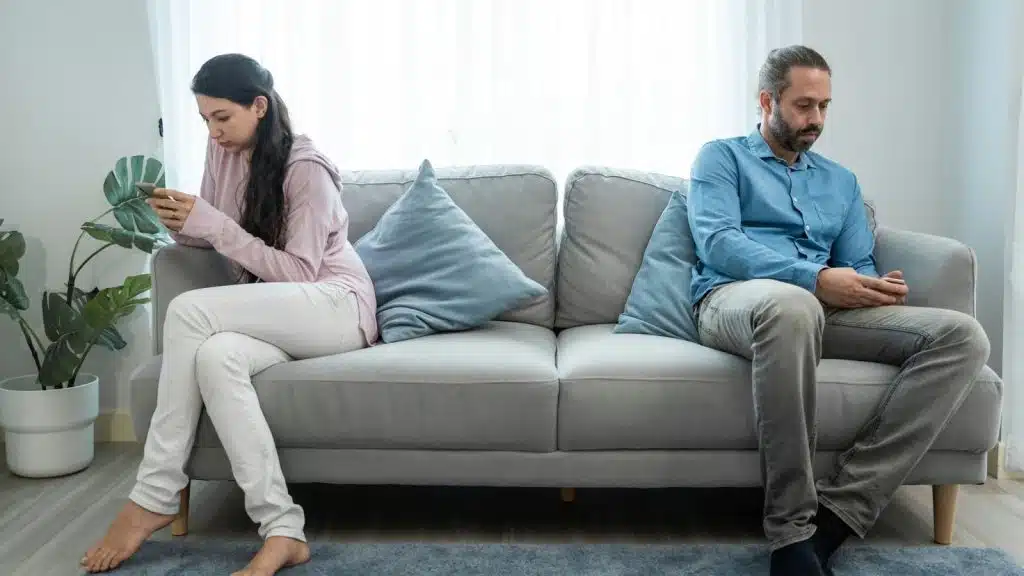
A relationship needs energy input from both sides. When both people stop initiating, the relationship runs on autopilot. Autopilot is efficient but not exciting. New energy can be as small as a new restaurant, a new routine, or a new conversation topic. Without new energy, everything feels recycled. Partners stop surprising each other. Surprise creates warmth and attraction. Love feels boring when nothing new enters the system.
Comfort Becomes Complacency
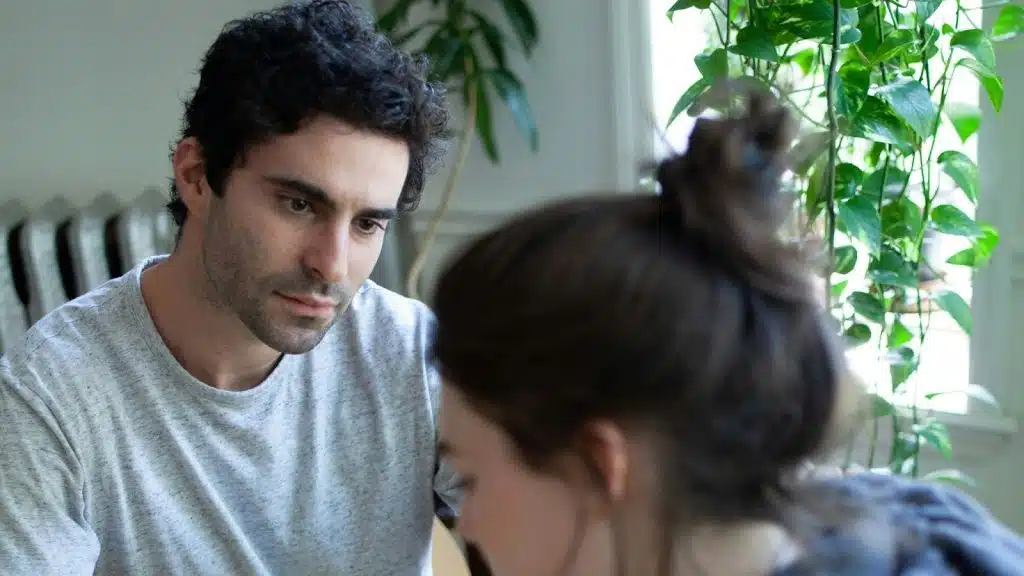
Comfort is a gift, but complacency is a problem. Complacency looks like minimal effort, minimal curiosity, and minimal romance. It often happens slowly, so no one notices. Complacency trains the relationship to feel ordinary in a bad way. Partners stop feeling like they need to win each other anymore. But love stays stronger when both people still “show up” intentionally. Comfort should be a base, not a ceiling. Complacency makes love feel flat.
Life Shrinks Into the Same Places and the Same People

Routine often reduces variety in the environment. Couples go to the same places, see the same people, and do the same activities. That sameness reduces stimulation. The brain associates novelty with excitement. Without novelty, feelings can be dull even if the relationship is healthy. Variety does not require major lifestyle changes. Small shifts in the environment can wake up the bond. New experiences often create new conversations. Routine feels boring when life becomes too small.
Desire Gets Treated as Something That Should “Just Happen”

Some couples believe desire should be automatic. When it becomes less automatic, they assume something is wrong. But long-term desire often needs intention. Intention includes rest, touch, flirtation, and emotional closeness. Without those, desire fades naturally. Expecting desire to appear without support creates frustration. Desire is often the result of how life is built. When the setup is draining and repetitive, desire struggles. Treating desire as a practice changes the outcome.
Personal Growth Slows Down

Individual growth affects relationship energy. When both people stop growing, the relationship often feels stuck. Growth creates new ideas, new confidence, and new attraction. A stagnant personal life often leads to a stagnant romantic life. This is not about constant self-improvement pressure. It is about having something evolving inside each person. A relationship feels more alive when the people inside it feel alive. Growth adds new layers to love.
The Relationship Loses a Sense of “Us”

Couples often lose shared meaning over time. They handle tasks but stop building shared identity. The relationship becomes a household, not a team. Shared meaning can be values, goals, traditions, or shared projects. Without it, routine feels empty. People want to feel they are building something together. When “us” fades, love feels bland. Rebuilding shared meaning often restores emotional pull.
The Couple Stops Creating Small Moments of Romance

Romance is often treated like an event. But long-term romance is built in small moments: affectionate touch, teasing, thoughtful gestures, and intentional time. When those moments disappear, love can feel like a routine partnership. A couple can be loyal and still feel bored. Romance is not childish; it is emotional glue. Small romantic habits keep routine from feeling dead. Without them, the relationship loses its color. Romance often returns with small consistent effort.
Tips: Create Novelty Without Overhauling Life

Novelty does not require a new personality or expensive plans. Try one new shared activity every week, even if it is small. Change the environment sometimes: a different route, a different restaurant, a different weekend rhythm. Ask new questions instead of repeating the same conversations. Introduce new rituals, like a weekly walk or a monthly date theme. Novelty works best when it is consistent, not occasional. Small changes can wake up big feelings.
Tips: Protect Connection Time Like a Real Priority

Connection time should be scheduled, not hoped for. Protect one daily moment without screens, even if it is only 15 minutes. Make one weekly plan that is only about enjoying each other. Keep affection present outside of sex, so touch feels normal and warm. Address small conflicts early to prevent emotional distance. Prioritization is not romance; it is maintenance that protects romance. When connection is protected, routine feels safer and less boring.
Boring Love Is Often a Fixable Setup Problem

When life becomes routine, love can feel boring even when commitment is strong. Many of these reasons come down to reduced novelty, reduced attention, and reduced emotional presence. The good news is that boredom is often a signal, not a sentence. Small shifts in curiosity, playfulness, and intentional time can restore warmth. Desire often returns when the relationship feels fresh again. Routine does not have to kill love; it just needs balance. A stable life and an exciting bond can coexist. When intention returns, love usually feels more alive again.








Ask Me Anything