
Dating after a long relationship can feel less like starting fresh and more like waking up in a familiar city where all the streets have been quietly renamed. You’re not inexperienced—but the rules you lived by no longer apply in the same way. The emotional muscle memory, the habits you picked up, and the compromises you normalized all follow you into the dating world, whether you want them to or not.
This isn’t about being jaded or cynical; it’s about being changed. And understanding how dating shifts after long relationships can help you avoid repeating old patterns, misreading new ones, and settling out of comfort instead of clarity.
Your Emotional Baseline Is Completely Different

After a long relationship, your nervous system isn’t calibrated for first-date uncertainty anymore. You’re used to emotional predictability—knowing where you stand, how conflicts end, and what reassurance feels like. Early dating can feel oddly stressful, even if the person is great. Practical move: don’t mistake discomfort for incompatibility. Give yourself time to adjust before making snap judgments about chemistry or “gut feelings.”
You’re More Aware of Red Flags—but Also Hyper-Alert

You spot patterns faster now: avoidance, inconsistency, emotional unavailability. The upside is wisdom. The downside is sometimes overcorrecting and assuming the worst too early. A single slow reply or awkward moment can feel loaded. Ground yourself by looking for patterns, not isolated moments. One off day isn’t a red flag; three similar behaviors might be.
Casual Dating Feels Less Appealing Than It Used To

Once you’ve experienced emotional depth, casual dating can feel hollow or even exhausting. Small talk, surface-level flirting, and low investment may no longer scratch the itch. Instead of forcing yourself to enjoy it, be honest about what you’re actually looking for. You’re allowed to want substance sooner—it just means being clearer, not heavier.
You’re Slower to Trust, Even If You’re Open
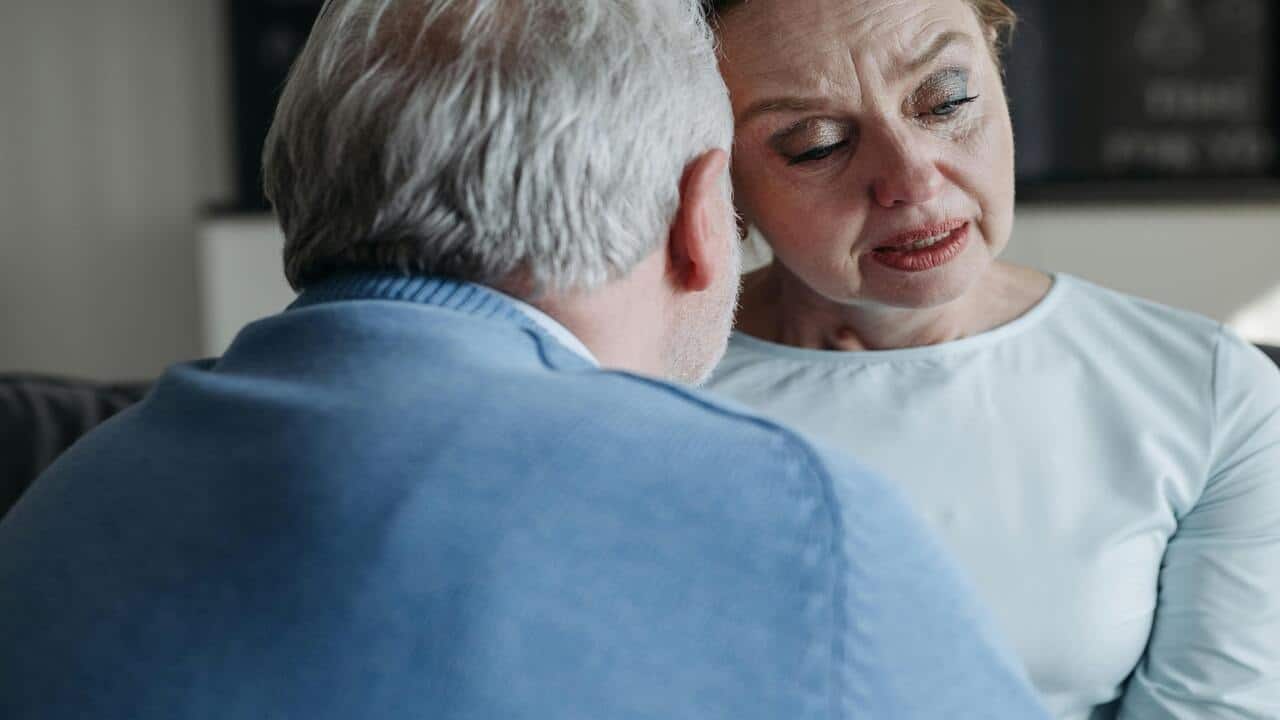
You may be emotionally available but internally cautious. That shows up as holding back details, pacing intimacy, or waiting for consistency before leaning in. This isn’t baggage—it’s discernment. The key is transparency. Let people know you move intentionally, not defensively, so your pacing doesn’t come across as disinterest.
You Compare More Than You Admit

It’s hard not to measure new connections against a long-term ex who knew your rhythms, humor, and flaws. Comparison can quietly sabotage good prospects. Instead of asking, “Is this better or worse than before?” ask, “Is this aligned with who I am now?” That shift reframes dating as forward-looking instead of nostalgic.
Your Tolerance for Emotional Games Drops to Zero

You’ve lived through real conflict, compromise, and emotional labor. Mixed signals and hot-and-cold behavior feel childish now. That’s a gift. Set standards early by responding to consistency and disengaging from confusion. You don’t need to explain yourself endlessly—your boundaries are explanation enough.
Physical Chemistry Isn’t Enough Anymore

Attraction still matters, but it’s no longer the main event. Emotional safety, communication style, and values carry more weight than spark alone. If something feels exciting but unstable, your body often knows before your brain catches up. Listen to that signal instead of romanticizing intensity.
You’re More Honest About Dealbreakers

Long relationships teach you what slowly erodes happiness over time. You’re less willing to “see how it goes” on core issues like lifestyle, finances, or emotional availability. Lead with curiosity, but don’t negotiate your non-negotiables. Clarity early prevents resentment later.
Dating Fatigue Hits Faster

You know what real connection feels like, so endless swiping and lukewarm dates can feel draining fast. Take intentional breaks instead of pushing through burnout. Quality dating requires emotional energy—and resting is part of doing it well, not giving up.
You Miss Being Known, Not Just Being With Someone

Loneliness after a long relationship isn’t always about missing a person—it’s about missing being deeply understood. New dates don’t have shared history yet, and that gap can feel stark. Be patient with the process. Emotional intimacy takes repetition, not just chemistry.
You’re Better at Communicating—but Expect It Back

You’ve learned how to talk through discomfort, name needs, and repair conflict. What changes is your tolerance for people who won’t. If someone avoids conversations or dismisses emotional topics, you notice immediately. Don’t dim your communication skills to match someone else’s limitations.
You’re Less Willing to Chase

In the past, effort might have felt romantic. Now it feels like imbalance. You want mutual initiative, not emotional pursuit. A good rule: if you’re always the one leaning in, it’s not attraction—it’s emotional labor.
You Question Your Readiness More Honestly

Instead of jumping into something to fill space, you pause and ask, “Am I actually ready for this?” That self-check is progress. Readiness isn’t about being perfectly healed—it’s about being self-aware enough to date without outsourcing your emotional repair.
You Value Peace Over Potential

You’ve learned that potential doesn’t build a stable relationship—consistent behavior does. Someone who fits into your life calmly can feel “boring” at first if you’re used to chaos. Reframe peace as attraction that lasts, not excitement that burns out.
You’re Clearer About What Love Should Feel Like

Love now looks less like intensity and more like reliability. You notice how someone makes you feel after interacting—not just during. Do you feel grounded or anxious? Energized or drained? Those emotional aftereffects matter more than fireworks.
You Take Things Personally Less—but Seriously More

Rejection stings, but it doesn’t define you the way it once did. At the same time, you don’t waste time on connections that feel misaligned. Detachment and intention coexist now, and that balance makes dating cleaner—even when it’s disappointing.
You Date With Self-Respect, Not Urgency

The biggest change is this: you’re no longer dating to be chosen—you’re dating to choose well. You know what staying too long in the wrong relationship costs. That awareness doesn’t make you cold; it makes you careful. And careful dating is often the kind that leads to something real.








Ask Me Anything