
Respect at home doesn’t usually arrive in loud declarations or dramatic gestures. For men who genuinely feel respected in their relationships, it shows up in quieter, more consistent ways—through tone, timing, and everyday interactions. These men aren’t walking on eggshells, nor are they demanding authority. Instead, they experience a steady sense of emotional safety, appreciation, and partnership that shapes how they show up in the world.
If you’re wondering what real respect actually looks like behind closed doors, these subtle but powerful patterns tend to show up again and again.
Their Opinions Are Considered, Not Automatically Challenged

Men who feel respected notice that when they share an opinion, it’s met with curiosity rather than instant resistance. Disagreement may still happen, but it doesn’t feel dismissive or mocking. There’s room for conversation instead of competition. This creates a sense that his perspective matters, even when it doesn’t “win.” If you want to build this pattern, pause before correcting and ask a follow-up question first.
They Aren’t Made to Feel Guilty for Needing Alone Time
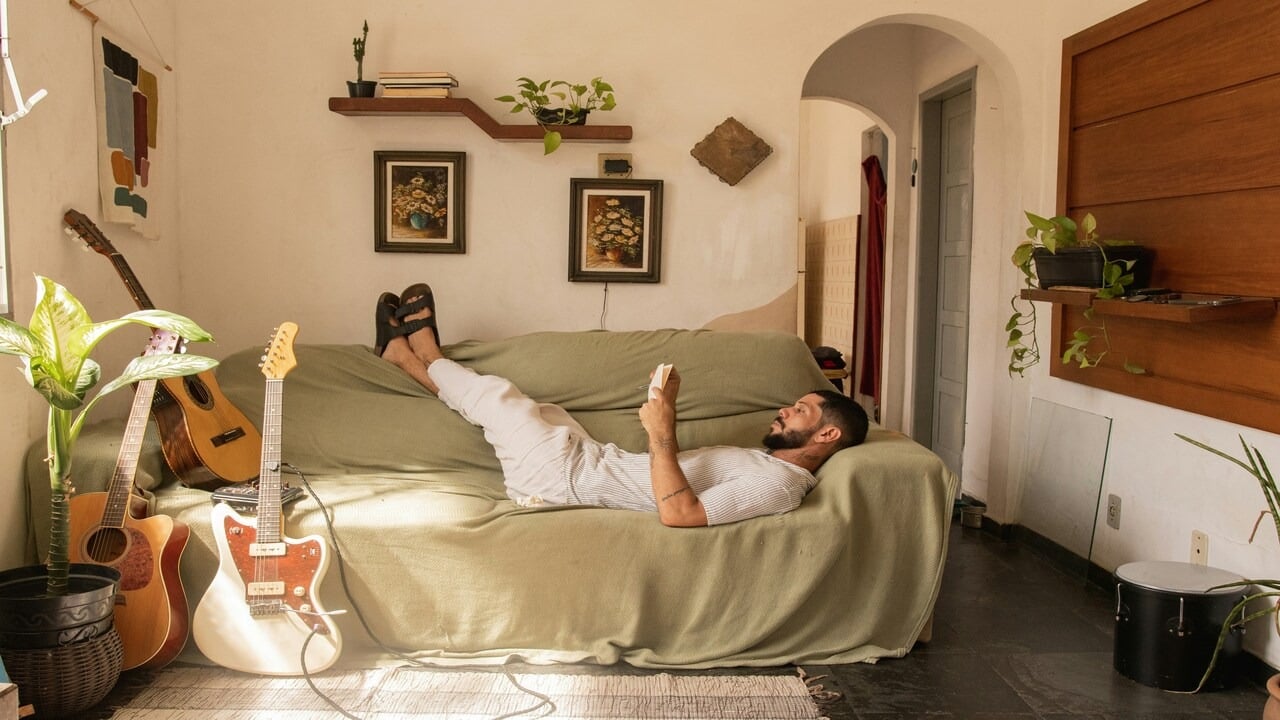
A respected man can decompress without being accused of neglect or emotional withdrawal. His need for quiet, hobbies, or mental space is understood as healthy rather than selfish. This allows him to recharge and return more present. Couples who get this right talk openly about alone time before resentment builds. Respect here looks like trust, not constant access.
Their Efforts Are Acknowledged Without Being Minimized
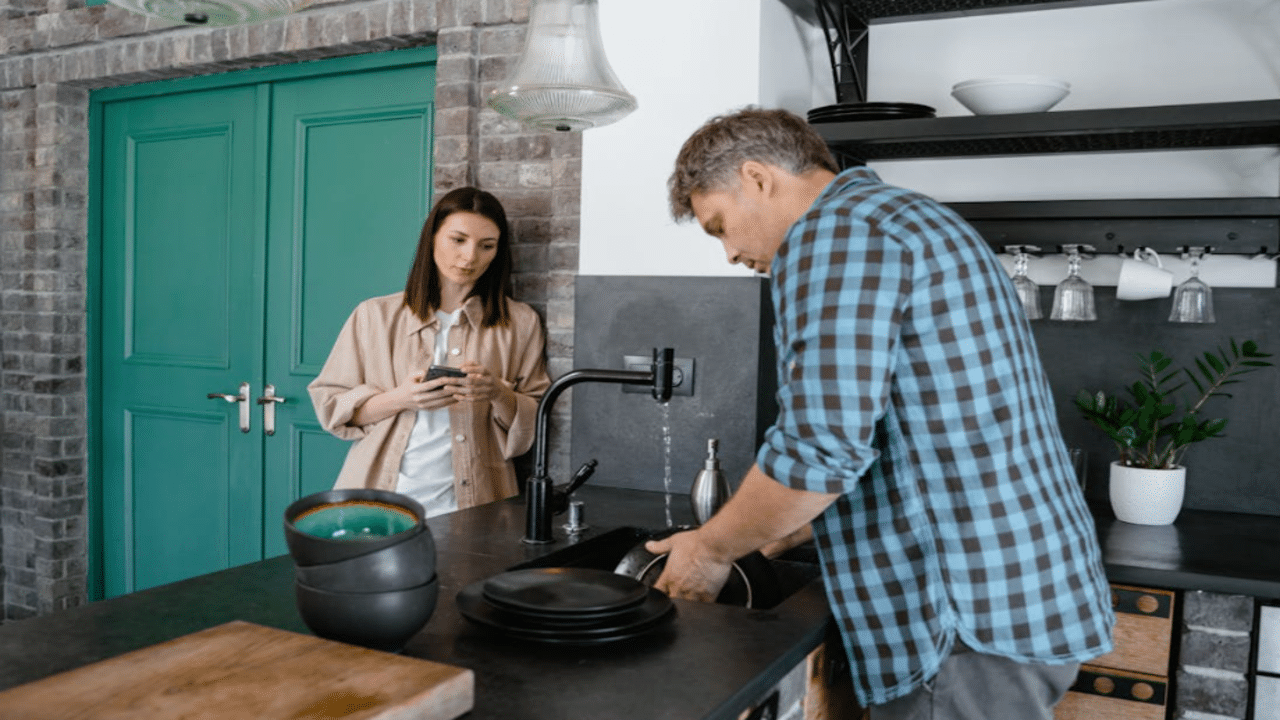
Men who feel respected hear “thank you” for everyday contributions, not just big wins. Small efforts—fixing something, showing up tired, handling logistics—are noticed instead of brushed off as expected duties. This reinforces that effort matters, even if it’s imperfect. A simple acknowledgment often does more than grand praise. Consistency here builds long-term goodwill.
Disagreements Stay Focused on the Issue, Not Character Attacks

Respect shows up when arguments don’t turn into personal takedowns. These men notice that even during conflict, their partner avoids name-calling, sarcasm, or bringing up unrelated past mistakes. The problem stays the problem. This makes resolution possible instead of emotionally exhausting. A practical rule: fight fair, or don’t fight at all.
They Aren’t Mocked for Their Vulnerabilities

Men who feel respected don’t fear that opening up will later be used against them. Their insecurities aren’t joked about, shared with others, or weaponized during conflict. This creates emotional safety that deepens trust. Respect here is quiet protection. If vulnerability is treated gently once, it’s more likely to be offered again.
Their Boundaries Are Taken Seriously

When a man says no, sets a limit, or expresses discomfort, it’s not brushed aside or argued into submission. Respect means his boundaries are treated as real, not negotiable inconveniences. Over time, this builds self-respect alongside relational trust. A healthy home doesn’t require constant explanations for personal limits. Listening the first time matters.
They Feel Backed Up in Public

Men who feel respected notice their partner doesn’t undermine them in front of friends, family, or children. Concerns are addressed privately, not turned into public corrections. This creates a sense of unity rather than exposure. It doesn’t mean blind agreement—it means timing and discretion. Loyalty in public strengthens honesty in private.
Their Wins Are Celebrated Without Competition

When good things happen, these men don’t feel like they need to downplay success to keep the peace. Their achievements are celebrated, not compared or quietly resented. Respect allows joy to exist without guilt. A healthy pattern is mutual pride, not scorekeeping. Couples who cheer for each other tend to grow together.
They Aren’t Constantly “Managed” or Micromanaged

Men who feel respected don’t feel parented by their partner. They’re trusted to handle tasks, decisions, and responsibilities in their own way. This doesn’t mean perfection—it means autonomy. Respect shows up when correction isn’t the default response. Letting go of control often improves cooperation.
Their Emotional Reactions Aren’t Dismissed

When these men are upset, they aren’t told to “calm down” or accused of being dramatic. Their emotions are taken seriously, even if they’re expressed differently. Respect means allowing space for male emotional expression without ridicule. Listening without fixing is often enough. Validation doesn’t require agreement.
They’re Spoken to With Basic Courtesy

Tone matters more than people admit. Men who feel respected notice they’re spoken to politely, even during stress. Requests don’t automatically sound like commands or criticisms. This creates a calmer home environment overall. Courtesy isn’t formal—it’s intentional.
Their Role Isn’t Reduced to What They Provide

Respect shows up when a man is valued beyond income, chores, or problem-solving. These men feel wanted for who they are, not just what they do. This emotional recognition reduces pressure and resentment. Compliments that aren’t task-based go a long way. Identity matters more than utility.
They’re Trusted Until Proven Otherwise

Men who feel respected aren’t constantly interrogated, monitored, or accused without cause. Trust is the default setting, not a reward that must be earned daily. This creates freedom rather than defensiveness. If concerns arise, they’re addressed directly. Respect grows when suspicion isn’t the baseline.
Their Parenting or Household Style Is Respected

In homes with shared responsibilities, these men notice they’re not constantly corrected on how they do things. Different doesn’t automatically mean wrong. Respect allows for variation instead of control. Over time, this builds confidence rather than withdrawal. Collaboration works better than critique.
They’re Allowed to Change and Grow

Men who feel respected aren’t frozen in old versions of themselves. Their efforts to improve—emotionally, professionally, or personally—are supported, not mocked. Growth is encouraged, even when it’s uncomfortable. Respect means seeing potential, not just history. Change feels safer when it’s welcomed.
They Feel Desired, Not Just Needed

Respect and attraction often overlap. These men notice affection that isn’t transactional or obligatory. Desire is expressed freely, not as leverage or reward. This reinforces intimacy and emotional connection. Feeling wanted strengthens self-worth at home.
They Experience Peace More Often Than Tension

Perhaps the biggest pattern is a sense of calm. Men who feel respected don’t brace themselves when they walk through the door. Home feels like relief, not another performance. That peace comes from many small moments done right. Respect, in the end, feels like rest.








Ask Me Anything