You might think your marriage is fine until you notice her quiet distance. Emotional disconnection often starts years before divorce, but most men don’t see it coming. Many women feel alone while still living under the same roof, keeping a calm exterior while their needs go unmet. This isn’t about blame, it’s about noticing what matters before it’s too late. Understanding these early signs can help you reconnect before silence becomes the default.
Lack of Emotional Check-ins

Many women feel alone when conversations stick to logistics and tasks instead of feelings or experiences. Daily life becomes a list of errands, schedules, and chores with no space for her to share what’s on her mind. She may start withdrawing quietly, assuming you won’t ask or listen. Taking even a few minutes to ask about her day, her worries, or small victories can make her feel seen. When emotional check-ins stop, the sense of partnership fades fast.
Feeling Taken for Granted
Consistently unacknowledged effort can make a woman feel invisible. She might spend hours managing the home, kids, or work stress while receiving little recognition. Over time, this builds resentment and emotional distance. Simple gestures, like thanking her or noticing the little things, show that you recognize her contributions. Feeling appreciated is often more important than grand gestures.
Decline in Physical Affection

Physical touch signals closeness beyond words. Hugs, hand-holding, or even a light touch on the arm can reinforce connection. When these gestures stop, she notices the absence, and loneliness grows. Physical affection is not just about intimacy; it’s a daily reminder of being wanted and seen. A small, consistent touch can keep emotional distance from becoming permanent.
Subtle Signs of Emotional Infidelity

When her emotional needs are met elsewhere, even casually, it signals she feels alone in the marriage. This doesn’t always mean romantic cheating, but seeking understanding outside the relationship shows a gap at home. Paying attention to where her attention goes reveals areas where connection is missing. Rebuilding emotional intimacy early can prevent deeper separation.
Overload from Household Responsibilities

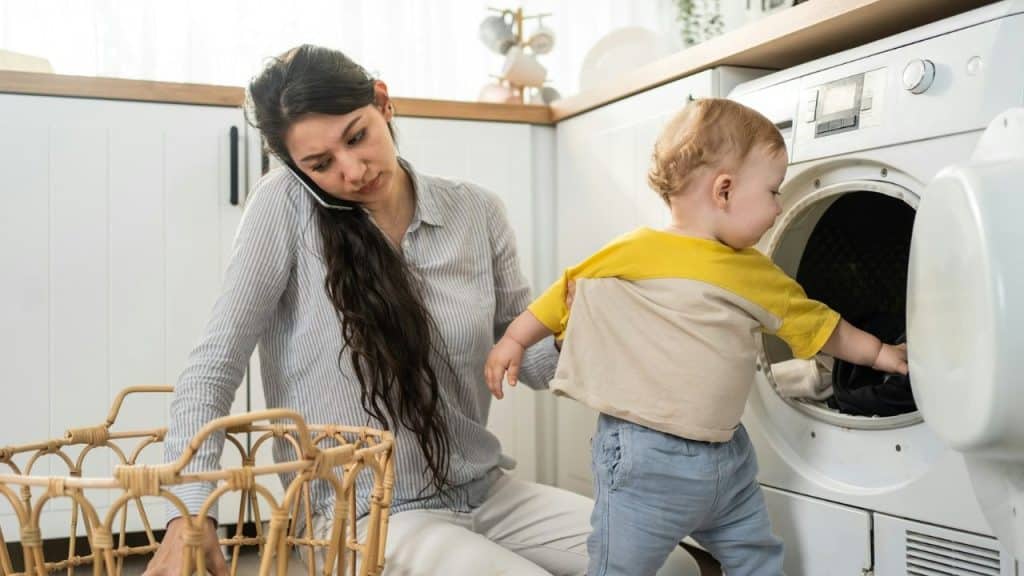
If the majority of chores, errands, and parenting fall on her, it can quickly feel like she’s running a solo operation. Even if she doesn’t complain, the weight of responsibility takes a toll on her emotional energy. Loneliness creeps in when the burden feels unequal and unnoticed. Consistently pitching in helps her feel supported and recognized.
Feeling Unsupported in Career or Personal Goals

When she pursues ambitions or faces challenges, and her spouse isn’t actively supportive, isolation grows. Lack of encouragement can feel like a silent judgment that her goals don’t matter. Showing interest and celebrating wins communicates that you are a teammate, not just a bystander. Women notice when emotional support is missing more than anything else.
Poor Communication Patterns

Arguments without resolution or avoiding tough conversations create walls between partners. When she feels you shut down or dismiss her feelings, she begins to stop sharing. Communication isn’t about winning; it’s about understanding and being understood. Over time, a lack of meaningful dialogue leaves her feeling isolated even in shared spaces.
Unmet Emotional Needs

Women notice when their mood, stress, or achievements go unseen. She may feel invisible if you don’t ask how she’s doing or recognize her efforts. Emotional needs aren’t about constant reassurance, but about attention and acknowledgment. Ignoring these cues can make her quietly withdraw over time.
Lack of Shared Activities

Couples who stop doing things together slowly become two separate lives under one roof. Shared hobbies, date nights, or even weekend errands are opportunities to bond. Without them, companionship fades, and loneliness takes root. Carving out time to do things together strengthens connection and prevents isolation.
Emotional Withdrawal During Conflict

Avoiding difficult conversations or shutting down during arguments pushes her away. She may try to engage, but repeated withdrawal signals that she is alone in managing tension. Staying present during conflicts shows commitment to working through issues. Emotional availability in tough moments strengthens bonds rather than weakening them.
Disconnection From Decision-Making

Being left out of financial, parenting, or household choices chips away at her sense of partnership. Decisions are a way of sharing life and responsibility. When she feels excluded, she may retreat emotionally. Involving her actively communicates that her perspective is respected and valued.
Social Isolation

Women rely on social connections for emotional balance. When friendships or family ties weaken, and her spouse doesn’t help fill the gap, loneliness intensifies. Encouraging her to spend time with friends or family, and to join in occasionally, can reduce her sense of isolation. Social support helps prevent emotional distance from taking over the marriage.
Comparisons to Past Relationships or Expectations

Unspoken expectations or subtle comparisons make her question closeness and fulfillment. If she feels she doesn’t measure up to imagined standards, she withdraws. Talking openly about hopes and disappointments prevents her from quietly withdrawing. Clear communication keeps assumptions from creating invisible barriers.
Feeling Unheard or Dismissed

Interruptions, jokes, or dismissive comments send the message that her thoughts and feelings don’t matter. Over time, she learns not to speak up. Listening actively and validating her perspective shows respect and helps prevent emotional distance from forming. Being heard is one of the simplest ways to make her feel connected.
Neglect of Personal Growth

When personal development is ignored, she may feel stuck in the relationship. Growth isn’t only about career or hobbies, it’s about evolving together. Supporting her pursuits shows that her personal identity matters alongside the marriage. Ignoring this need can slowly push her into emotional solitude.








Ask Me Anything