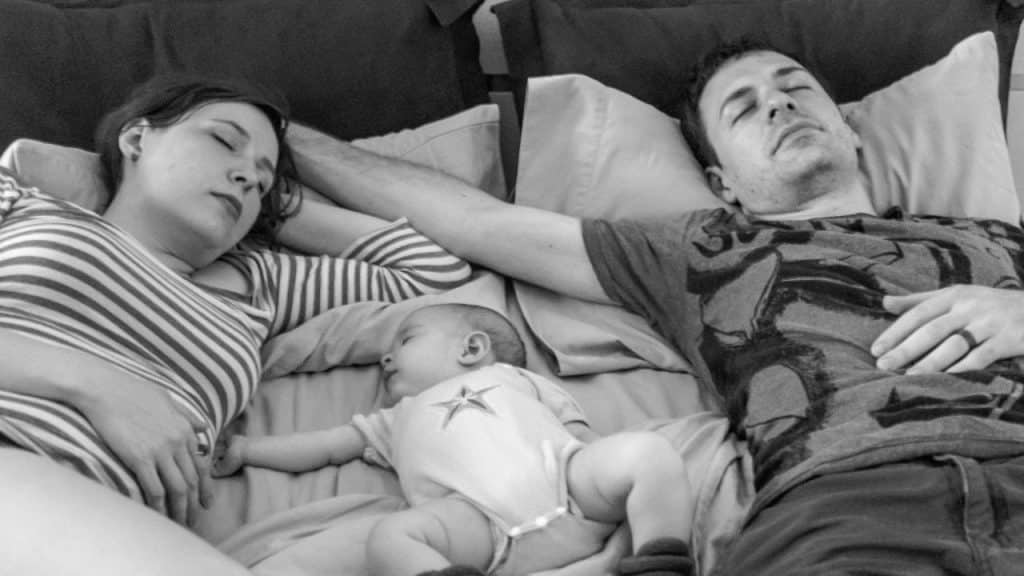
After kids, many marriages don’t feel broken. They feel sidelined. The relationship stops getting direct attention while everything else becomes urgent. You talk less about how you’re doing and more about what needs to be done. Intimacy gets postponed, not rejected. Frustrations don’t explode — they get swallowed because there’s always a reason not to deal with them.
What causes real damage isn’t chaos or constant fighting. It’s the quiet accumulation of trade-offs no one names. Roles shift without agreement. Resentment forms without arguments. Distance grows without obvious warning signs. By the time it feels undeniable, the drift has already been happening through specific, predictable changes most couples underestimate until they’re living with them.
Intimacy Slowly Drops Off

After kids, intimacy is often the first thing to take a hit. Fatigue, stress, and lack of privacy make sex feel optional instead of essential. What used to happen naturally now requires planning, which makes it easier to postpone. Weeks turn into months without much notice. The issue usually isn’t desire—it’s energy and timing quietly disappearing.
Conversations Become Transactional

Talk shifts from connection to coordination. Most conversations revolve around schedules, bills, school, and logistics. There’s nothing wrong with that, but it crowds out personal check-ins. Over time, partners stop sharing thoughts that aren’t “necessary.” The relationship starts to sound like a project meeting instead of a partnership.
Chronic Exhaustion Changes Everyone’s Personality
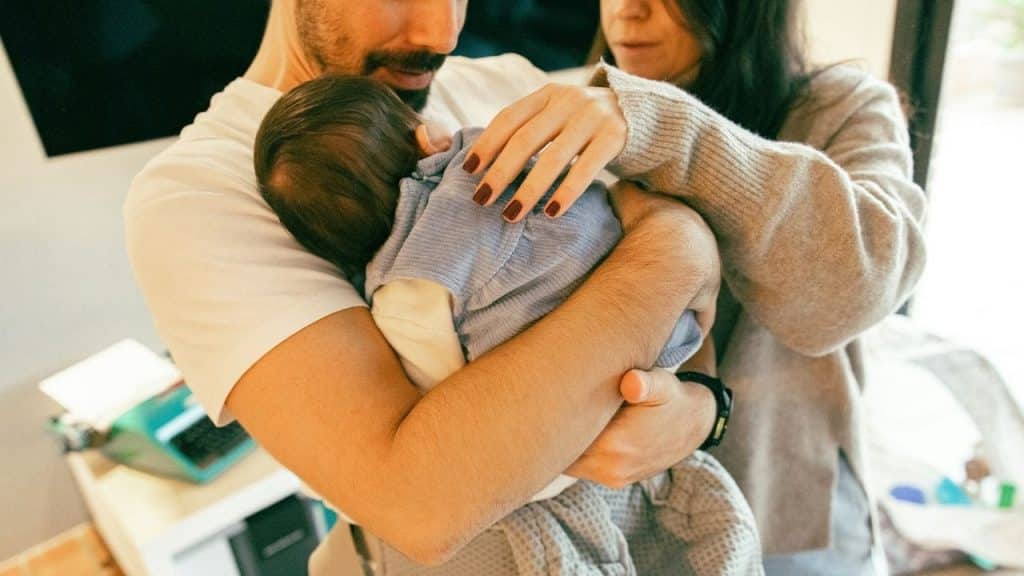
Sleep deprivation isn’t just about feeling tired. It lowers patience, increases irritability, and makes small problems feel big. People become shorter with each other without meaning to. Arguments start faster and last longer. When everyone’s exhausted, empathy is usually the first thing to go.
Household Work Stops Feeling Fair

After kids, the workload increases fast. When one person feels they’re carrying more of it, resentment builds quietly. It’s rarely about the chores themselves. It’s about feeling unseen and unsupported. Over time, that resentment shows up as tension, sarcasm, or emotional withdrawal.
Financial Pressure Adds a New Layer of Stress

Kids bring new expenses and long-term responsibility. Even stable households feel the pressure. Money conversations become more frequent and more emotional. Small purchases spark frustration. Financial stress doesn’t just affect budgets—it affects how safe and supported people feel in the relationship.
Partners Shift From Lovers to Co-Managers
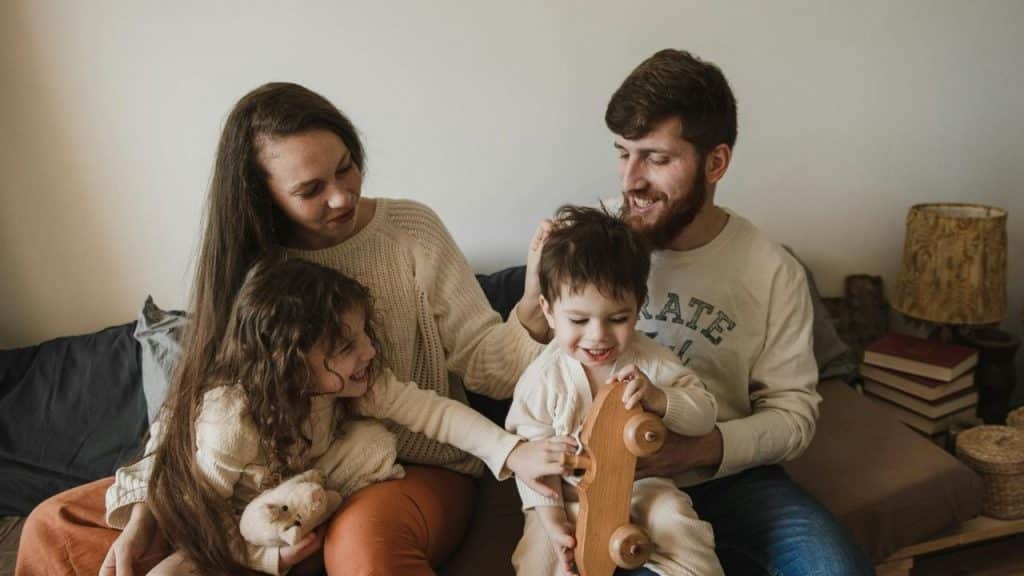
The relationship identity changes. Couples stop seeing each other primarily as partners and start operating as parents first. Romance becomes secondary to responsibility. This shift happens gradually and feels practical at the time. But when it goes unaddressed, emotional closeness often fades with it.
Romance Feels Less Natural

Affection becomes less spontaneous and more situational. Touch gets functional rather than emotional. Compliments and flirting drop off without anyone deciding to stop. Many couples assume this is just “how it is now.” The problem is that romance rarely comes back on its own.
Traditional Roles Quietly Reappear

Even in modern households, old patterns tend to resurface. One partner often becomes the default planner or caretaker. The other may focus more on work or external responsibilities. Neither role is wrong, but imbalance creates distance. Over time, both people can feel misunderstood in different ways.
Mental Health Strain Goes Unspoken

Postpartum mood changes, anxiety, and emotional overwhelm are common after kids. When these struggles aren’t openly discussed, they affect the relationship. One partner may withdraw. The other may feel shut out or blamed. Without language for what’s happening, frustration fills the gap.
Quality Time Shrinks to Almost Nothing

Being in the same house doesn’t mean spending time together. Shared activities disappear. Evenings turn into recovery time instead of connection time. Couples assume they’ll “get back to it later.” Later often keeps moving.
Conflict Becomes More Predictable

Arguments start following the same script. The same triggers, the same reactions, the same unresolved endings. Over time, couples stop trying to fix issues and focus on avoiding them. That avoidance feels peaceful at first. Eventually, it creates emotional distance.
Career Sacrifices Create Quiet Resentment

One person may slow down professionally to support the family. The other may feel pressure to carry more financial weight. If these trade-offs aren’t acknowledged, resentment builds. Both people may feel stuck in roles they didn’t fully choose. That frustration often leaks into the relationship.
Social Circles Shrink
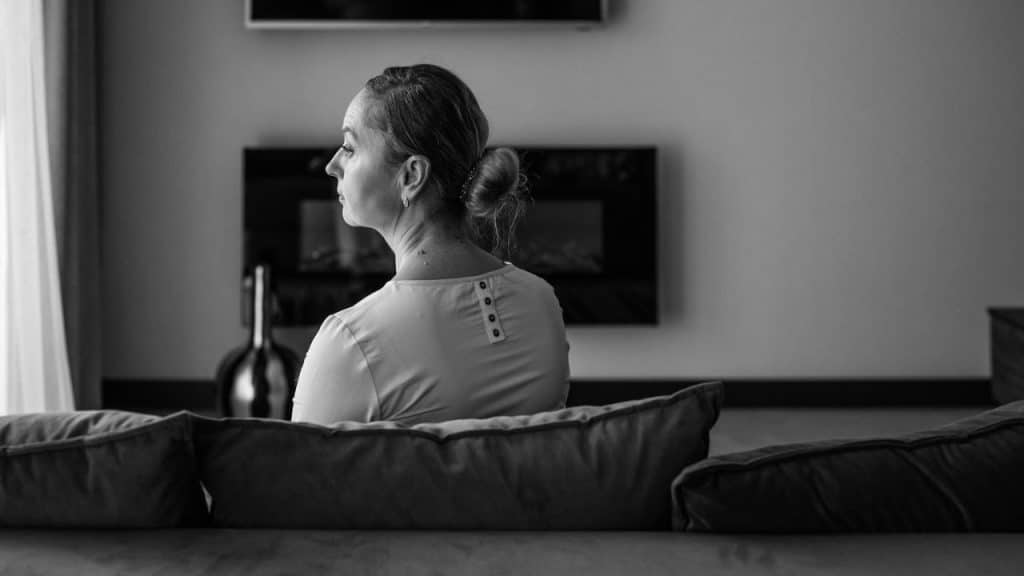
Friendships become harder to maintain. Free time disappears. Support systems thin out. Without outside perspective or relief, couples rely entirely on each other for emotional support. That’s a heavy load for any relationship.
Appreciation Drops Off

Gratitude often gets replaced by expectation. Tasks that once earned appreciation become assumed. Over time, both partners feel taken for granted. A lack of acknowledgment doesn’t cause fights, but it slowly erodes goodwill.
Expectations Go Unchecked

Many couples expect kids to bring them closer. When reality doesn’t match that expectation, disappointment sets in. They assume something is wrong with the relationship rather than the transition itself. Without adjusting expectations, frustration grows quietly. That frustration often turns into emotional disengagement.








Ask Me Anything