
Disagreements don’t ruin relationships—how couples handle them does. Healthy couples aren’t conflict-free; they’re repair-skilled. They know that tension is inevitable when two adults with different histories, needs, and stressors share a life. What sets them apart is that arguments don’t turn into character assassinations, power struggles, or emotional withdrawals that linger for weeks. Instead, conflict becomes information, not a threat.
These habits aren’t about being “nice” or conflict-avoidant—they’re about protecting the relationship while still being honest. Here’s how emotionally healthy couples disagree without slowly damaging trust, attraction, or emotional safety.
They Argue About One Thing at a Time

Healthy couples resist the urge to open old files mid-argument. They know that stacking grievances turns a solvable issue into emotional chaos. When you stay focused on the current problem, both partners can feel heard instead of overwhelmed. If past issues keep resurfacing, they schedule a separate conversation rather than weaponizing history. This keeps disagreements contained instead of explosive. The practical move: say, “Let’s stay on this issue first,” and actually mean it.
They Lower Their Volume Before Raising Their Point

Raising your voice doesn’t make your argument stronger—it makes the other person defensive. Healthy couples pay attention to tone as much as content. They understand that volume signals threat to the nervous system, even if the words are reasonable. By consciously slowing down and softening delivery, they keep the conversation collaborative. This isn’t about suppressing emotion; it’s about regulating it. Calm delivery increases the odds of being understood.
They Separate Intent From Impact

Healthy couples acknowledge that good intentions don’t cancel out hurtful impact. Instead of arguing, “That’s not what I meant,” they say, “I can see how that landed badly.” This simple shift de-escalates tension fast. It allows accountability without self-shaming. Over time, this builds trust because both partners feel emotionally validated. Impact matters, even when harm was unintentional.
They Don’t Argue to Win

Winning an argument often means losing emotional safety. Healthy couples aren’t keeping score—they’re trying to understand. They don’t treat disagreements like debates with a trophy at the end. The goal is resolution, not domination. When both partners stop posturing, solutions emerge faster. If you notice yourself trying to “win,” pause and ask what outcome you actually want.
They Use “I Feel” Statements Without Weaponizing Them

“I feel” statements work when they express emotion—not when they disguise blame. Healthy couples avoid phrases like “I feel like you always…” which immediately put the other person on defense. Instead, they link feelings to specific behaviors and needs. This keeps communication clean and actionable. The rule is simple: feelings explain, they don’t accuse. That distinction keeps conversations productive.
They Take Breaks Before Things Get Ugly

Healthy couples know when they’re approaching emotional overload. Instead of pushing through until someone says something regrettable, they pause. A break isn’t abandonment—it’s nervous system maintenance. They agree on when they’ll return to the conversation, which preserves trust. This prevents temporary emotions from causing permanent damage. Cooling off is a skill, not avoidance.
They Assume Stress Is a Factor
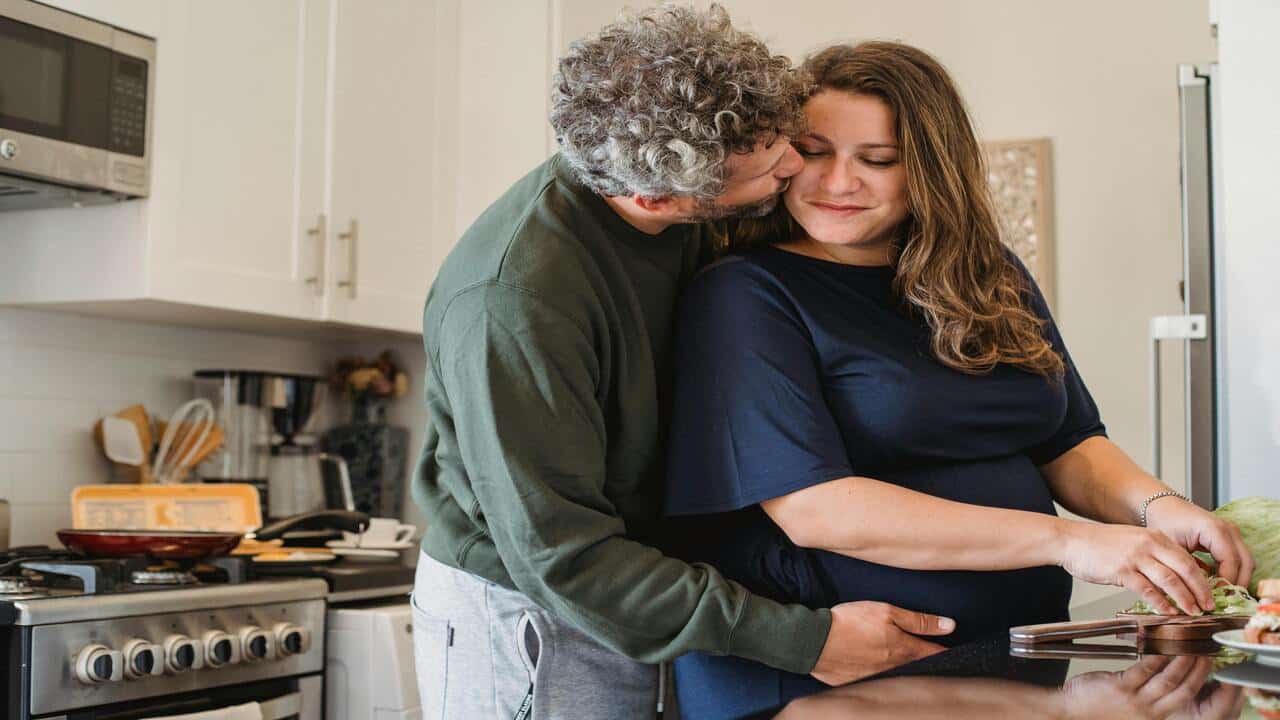
Before personalizing behavior, healthy couples ask what external stress might be influencing it. Work pressure, lack of sleep, health issues, or family stress all leak into relationships. This doesn’t excuse bad behavior, but it adds context. When stress is acknowledged, partners feel supported instead of attacked. A simple “You’ve had a rough week” can soften an entire conflict. Context changes tone.
They Don’t Use Absolutes

Words like “always” and “never” escalate arguments instantly. Healthy couples avoid them because they know they’re rarely accurate and usually inflammatory. Absolutes erase nuance and invalidate effort. Instead, they talk about patterns without exaggeration. Precision keeps conversations grounded in reality. If you want to be heard, speak accurately—not dramatically.
They Watch for Contempt Signals

Eye-rolling, sarcasm, and mockery are relationship corrosives. Healthy couples take these signals seriously because contempt predicts long-term damage. When it slips in, they name it or pause the conversation. They understand that respect is non-negotiable, even in anger. You can be frustrated without being dismissive. Protecting respect protects the relationship.
They Ask Clarifying Questions Instead of Assuming

Healthy couples don’t jump straight to conclusions. They ask, “What did you mean by that?” instead of reacting to their worst interpretation. This slows emotional escalation and reduces misunderstandings. Clarification often reveals that the issue is smaller than it first appeared. Curiosity replaces defensiveness. Most fights shrink when assumptions are removed.
They Validate Before They Defend

Validation doesn’t mean agreement—it means understanding. Healthy couples acknowledge each other’s feelings before offering their own perspective. This helps the other person feel heard, which lowers resistance. Only after validation do they explain their side. Skipping this step makes defenses louder. Feeling understood is often more important than being right.
They Stay Out of Character Attacks

Healthy couples argue about behaviors, not identities. They don’t label each other as “selfish,” “lazy,” or “dramatic” in moments of conflict. Character attacks linger long after the argument ends. Instead, they focus on what happened and what needs to change. This keeps disagreements fixable. Protecting identity preserves emotional safety.
They Repair After the Argument

Healthy couples don’t pretend conflicts never happened. They circle back to repair emotional bruises with reassurance, affection, or humor. Repair restores connection and prevents resentment buildup. It can be as simple as a hug, an apology, or a check-in later that day. What matters is closing the emotional loop. Repair turns conflict into growth.
They Know When to Let Things Go

Not every issue deserves a full debate. Healthy couples choose their battles wisely. They ask themselves whether this will matter next week—or next year. Letting small things go preserves energy for what truly matters. This isn’t suppression; it’s discernment. Emotional maturity includes knowing when silence is strength.
They Keep Private Conflicts Private

Healthy couples don’t outsource their arguments to friends, family, or social media. They understand that publicizing conflict invites bias and long-term resentment. If they need support, they choose neutral, trustworthy outlets. Privacy protects the bond from external contamination. The relationship stays the primary container for resolution.
They Learn From Repeated Arguments

Recurring conflicts aren’t failures—they’re data. Healthy couples look for the unmet need underneath repeated fights. Instead of re-litigating the same argument, they ask what pattern is asking to be addressed. This leads to deeper change, not surface solutions. Growth happens when patterns are examined honestly. Repetition becomes a roadmap, not a curse.
They Remember They’re on the Same Team

Even in disagreement, healthy couples hold a shared identity. They don’t treat each other as opponents. This mindset shifts tone, language, and intent instantly. When both partners remember the relationship is the priority, conversations soften. Conflict becomes collaborative problem-solving instead of emotional warfare. Team mentality keeps love intact—even under pressure.








Ask Me Anything