
You notice he scrolls through his phone while you talk, nods without really listening, and suddenly has “important errands” at odd hours. The little sparks that used to make your home feel alive are dimming, and it hits harder because it happens quietly. Men often don’t announce when their feelings change. Instead, they leave a trail of small behaviors that say more than words ever could. Recognizing these signs early can save you from endless guessing and help you face reality with clarity.
Avoiding Physical Affection
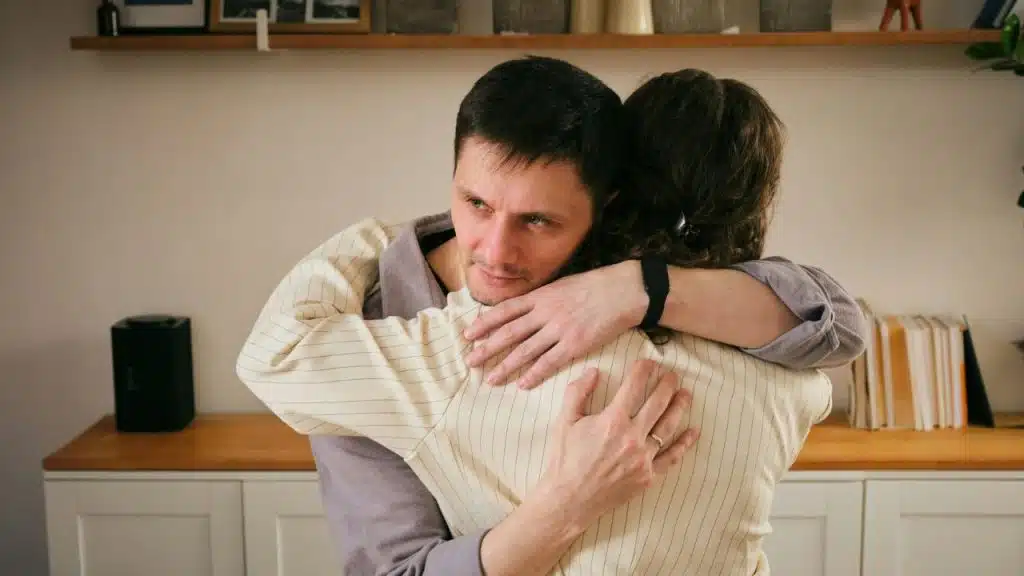
Hugs, kisses, and intimacy become rare. He might pull away when you reach for closeness or make excuses to skip shared moments. Physical touch was once a daily reassurance; now it feels like an afterthought. This behavior signals a disconnect that goes beyond just the bedroom. Over time, the absence of affection deepens the sense of isolation.
Less Communication

He no longer shares details about his day or thoughts. Conversations feel one-sided, and questions about work or personal life get short, distracted answers. You may notice a growing silence in the spaces that once connected you. This lack of sharing creates emotional distance and leaves you guessing about his feelings. When communication stops, connection fades.
Lack of Interest in Her Life

He stops asking about your day, your friends, or your hobbies. Questions that once showed care are replaced by indifference. You may find yourself talking more about your life to friends instead of him. Emotional withdrawal can make you feel unseen and unimportant. The disengagement becomes clear when he stops participating in the moments that matter to you.
Disinterest in Resolving Conflicts

Arguments or disagreements are ignored or avoided. He shuts down instead of discussing solutions. Problems linger, and resentment builds. Avoiding conflict shows a lack of commitment to work through challenges together. Emotional investment fades when solutions are no longer a priority.
More Time Away from Home

He suddenly spends more time at work, with hobbies, or with friends without clear reasons. Weekend plans change, dinners get skipped, and spontaneous outings vanish. This behavior often masks a desire to avoid home life or responsibilities. You start noticing his presence less and less in the shared parts of your life. The distance grows quietly but noticeably.
Minimal Effort in Conversations

Responses are short, dismissive, or distracted. Discussions that once flowed naturally feel heavy or pointless. You might feel like you’re talking to a roommate rather than a partner. This shift shows emotional withdrawal and a loss of engagement. Real connection depends on effort, and the lack of it is telling.
Secretive Behavior

He guards his phone, conversations, and activities. Transparency decreases and privacy increases. You may sense a hidden life forming, even if it’s harmless. This protective behavior often reflects distance rather than deceit.
Less Participation in Family Life

He stops helping with children, chores, or routines. Weekend responsibilities that used to be shared now fall entirely on you. His absence affects the family dynamic and leaves you carrying more of the burden. This withdrawal signals that he is disengaging from shared responsibilities.
Avoiding Future Planning

He shows no interest in vacations, family events, or long-term goals. Talks about the future feel like a chore or get brushed aside. Without shared plans, the sense of togetherness diminishes. Avoiding discussions about what’s ahead signals a disengagement from shared life. It’s a silent way of saying he no longer invests emotionally.
Increased Criticism or Irritability

Small mistakes trigger frustration or nagging. He points out faults more frequently and becomes impatient over minor things. What was once playful teasing now feels sharp and hostile. Heightened criticism often hides dissatisfaction with the marriage itself. Over time, tension replaces warmth and support.
Hiding Emotions

He appears emotionally numb or closed off. Sharing feelings or responding empathetically becomes rare. You may feel like you’re talking to a wall instead of a partner. Emotional closure is a clear indicator of distance in the marriage.
Prioritizing Self Over Marriage

He spends most of his energy on personal interests, hobbies, or friends. The marriage takes a back seat to his personal life. When the focus is consistently on himself, connection and shared goals weaken. This imbalance reflects a shift in priorities.
Avoiding Intimacy Topics

Discussions about feelings, marriage, or connection are brushed aside. Attempts to talk about your relationship may be met with silence or irritation. This avoidance prevents emotional closeness from developing. Without addressing intimacy, the bond slowly frays.
Disappearing During Important Moments
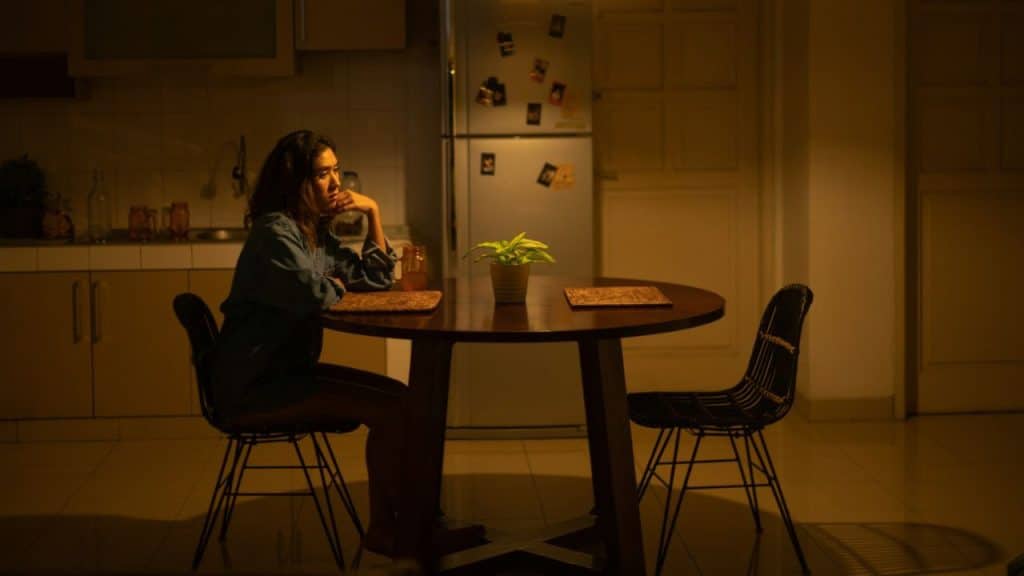
He skips celebrations, milestones, or events that matter to you. Birthdays, anniversaries, or family achievements no longer involve him. These absences leave you feeling unsupported and alone. Missing meaningful moments is a sign of emotional disengagement.
Shows Frustration Over Small Things

Minor inconveniences trigger outbursts or irritation. Simple mistakes become larger issues in his eyes. The household feels tense and unpredictable. Reacting strongly to small matters is a way of expressing unspoken dissatisfaction.
Passive Acceptance Rather Than Engagement

He goes through the motions of daily life without effort to connect. Intimacy, conversation, and participation exist only at a basic level. Living in coexistence rather than engagement signals emotional withdrawal. The relationship persists in form but loses the substance that once made it meaningful.








Ask Me Anything