
Some days it feels like you’re carrying everything and nobody even notices. Work, money, kids, life—everything lands on your shoulders. You try to say something, and all you get is “man up.” No advice, no help, no one just sitting there listening. It’s exhausting, and it’s lonely, and it keeps building until it’s too much to ignore.
Feeling Pressured to Hide Emotions

Men are often taught to keep their feelings under wraps. Showing emotion can feel risky because judgment is quick and sympathy is rare. Bottling up frustration, sadness, or fear becomes automatic. Over time, this makes it harder to speak up when support is actually needed. Ignoring feelings rarely makes problems disappear.
Being Told You’re Overreacting

When men express concern or frustration, they are often dismissed. Hearing “you’re overreacting” invalidates their experience. This makes it harder to open up in the future. Men learn to second-guess their feelings, which increases isolation. Real support starts with acknowledgment, not dismissal.
Lack of Emotional Check-ins

Most men rarely get asked how they’re doing. Friends, partners, or colleagues may assume everything is fine unless problems surface. This absence of check-ins leaves struggles invisible. Men often cope alone because nobody is actively listening. Regular, simple questions can make a big difference.
Career Stress Ignored

Professional pressure can be intense, yet men often hear “just deal with it.” This discourages honest discussion about workload, burnout, or frustration. Feeling unsupported at work amplifies stress at home. Men need practical guidance and recognition, not empty reassurances.
Parenting Challenges Undervalued

Men can feel like secondary parents when it comes to emotional labor. Society assumes mothers handle nurturing and organization. Expressing frustration or asking for help may be met with dismissal. Men need validation that their role is just as important. Feeling competent in parenting requires support, not judgment.
Feeling Alone in Health Issues

Men are less likely to seek help for mental or physical health. Pressure to appear tough can delay medical or therapeutic attention. Illness or stress often becomes a private struggle. Early support and open conversation can prevent problems from escalating.
Relationship Communication Struggles

Attempting to talk about feelings in a relationship can backfire. Impatience, ridicule, or silence often meets openness. This discourages vulnerability and creates distance. Men learn to protect themselves by shutting down rather than sharing.
Financial Pressure Without Guidance

Men face societal expectations to provide financially. When money is tight, support is scarce, and judgment is high. Advice often comes in the form of criticism rather than practical help. Men carry the burden silently, feeling unsupported and stressed.
Grief and Loss Ignored

Men are expected to be stoic in the face of loss. Society rarely allows space for open grieving. Suppressed emotions can manifest as anger, fatigue, or withdrawal. Acknowledgement and support are essential to process grief effectively.
Mental Health Stigma

Anxiety and depression are often hidden by men. Therapy or counseling can feel like admitting weakness. Silence compounds suffering and prevents recovery. Encouraging professional help is crucial to breaking this stigma.
Lack of Recognition at Home

Domestic contributions are often overlooked. Cooking, cleaning, or planning are taken for granted. This lack of recognition erodes confidence and creates resentment. A simple acknowledgment can reinforce value and effort.
Overlooked Vulnerability
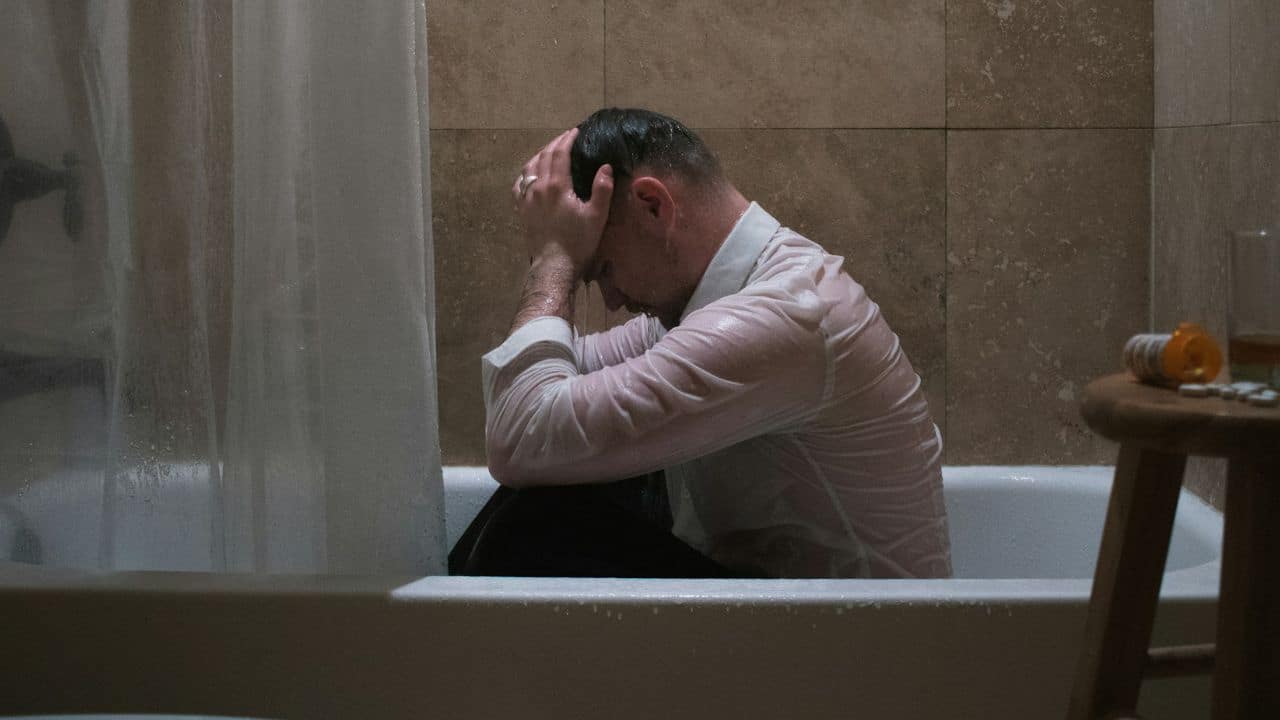
Men who show vulnerability risk judgment. Crying, admitting fear, or asking for help is often labeled as weak. This discourages honesty and deep connection. Being supported emotionally should be seen as a strength, not a flaw.
Being Expected to Solve Problems Alone

Men are frequently pushed to fix everything without guidance. Struggling silently becomes normalized. This fosters stress and isolation. Support starts with asking how they’re coping, not just expecting solutions.
Physical Exhaustion Dismissed

Long hours and caregiving stress are brushed off. Comments like “man up and keep going” minimize real fatigue. Men need acknowledgment and practical relief options. Ignoring exhaustion can lead to burnout and health issues.
Friendships Encouraging Toughness Over Openness

Peer pressure often reinforces the “man up” mindset. Conversations about struggles can be mocked or avoided. This discourages honest dialogue and deep friendship. Supportive peers normalize sharing without judgment.
Limited Mentorship or Guidance

Life transitions can leave men searching for advice. Generic “tough it out” responses replace meaningful guidance. Mentorship that listens and offers concrete advice helps men navigate challenges. Access to practical counsel can significantly reduce stress.
Criticism Without Encouragement

Feedback often focuses on flaws, ignoring effort. Men hear what they did wrong but rarely what they did well. Without balance, criticism damages confidence. Constructive support helps men grow without feeling attacked.








Ask Me Anything