
At some point, dating apps stop feeling like a shortcut and start feeling like another unpaid side job. You check them during breaks, before bed, sometimes out of boredom, sometimes out of habit. The promise is simple enough: more options, better matches, easier dating. But for a growing number of men, especially in their late 30s to 50s, the experience rarely delivers on that promise. What it delivers instead is fatigue, frustration, and a quiet sense that this isn’t worth the effort anymore.
What’s changed isn’t just the apps. It’s priorities, patience, and tolerance for wasted time. Many men aren’t angry or bitter about it. They’re just done. And once they step away, they don’t feel the urge to go back.
The endless swiping feels pointless

Swiping starts out harmless, even kind of fun. Over time, it turns into a repetitive motion with very little payoff. You can swipe for weeks and still feel like nothing is moving forward. That loop wears people down faster than they expect. Eventually, it stops feeling like dating and starts feeling like busywork.
The apps don’t feel designed for your success

Most men figure out sooner or later that the system isn’t neutral. Visibility, matches, and responses often feel uneven, no matter how much effort goes into a profile. It can feel like you’re always one update or upgrade away from better results. That’s exhausting when you’re already doing everything “right.” At some point, it feels smarter to stop playing.
The numbers are stacked against you

Dating apps quietly operate on an imbalance most users sense but rarely talk about. There are more men than women on many platforms, which changes the entire dynamic. More competition means less attention and fewer chances to stand out. Knowing this doesn’t make the experience easier. It just makes the effort feel less justified.
Ghosting becomes routine, not surprising

Early on, ghosting feels confusing. Later, it just feels normal. Conversations disappear without warning, sometimes after days of steady back-and-forth. That constant drop-off makes it hard to take any connection seriously. Over time, many men stop investing emotionally because the pattern feels predictable.
Conversations rarely go past surface level

Profiles are built to be skimmed, not studied. Most conversations stay light, generic, and interchangeable. You end up repeating the same questions and answers with different people. That repetition drains interest quickly. Meaningful connection feels rare in a space designed for speed.
Paying more doesn’t guarantee better results

Subscriptions promise more visibility, more matches, more control. What they often deliver is more of the same. Spending money without seeing real improvement creates resentment fast. It starts to feel like paying to stay frustrated longer. Many men decide that’s a bad deal.
The confidence hit is real

Repeated rejection, silence, or low response rates can wear on anyone. Even confident men notice the effect over time. You start second-guessing things you never worried about before. When something meant to expand your dating options starts shrinking your confidence, quitting feels like self-preservation.
Messaging feels like work with no payoff

Crafting thoughtful messages takes time and energy. Doing it over and over without consistent results gets old. Long exchanges that never turn into dates are especially draining. Eventually, it feels like effort without progress. That’s usually the breaking point.
Too many options make things worse

Endless choice sounds great in theory. In practice, it leads to hesitation and half-commitment. People are slower to decide, quicker to move on, and less invested overall. That environment makes real momentum harder, not easier. Many men find it refreshing to step out of it.
Mixed signals are everywhere

Profiles often say one thing while behavior suggests another. Some people want commitment, others want attention, and many aren’t clear themselves. That uncertainty creates friction early on. Sorting through it takes patience most men no longer want to spend.
Misrepresentation erodes trust
Small exaggerations add up. Photos don’t match reality, details are vague, intentions shift. Even when it’s not malicious, it creates doubt. Trust is hard to build when first impressions feel unreliable. Walking away becomes simpler than staying skeptical.
Dating turns into a numbers game

Success starts feeling less about compatibility and more about volume. Send enough messages, swipe enough profiles, hope something sticks. That mindset strips dating of enjoyment. When connection feels accidental instead of intentional, motivation drops fast.
Real-world chemistry is missing

Screens filter out tone, presence, and energy. Things that matter in real life don’t translate well online. A good conversation on an app doesn’t always feel good in person, and vice versa. Many men miss the clarity of face-to-face interaction. It feels more honest.
Juggling multiple apps gets old
Trying to keep up with several platforms at once spreads attention thin. Notifications blur together. Conversations stall. Instead of increasing chances, it creates clutter. Dropping all of it can feel like clearing mental space.
Loneliness doesn’t improve

Dating apps promise connection, but many users feel lonelier using them. Seeing constant activity without meaningful progress makes that worse. The gap between expectation and reality grows. Stepping away often brings relief rather than loss.
Conversations rarely lead to actual dates

Plenty of talk, little action. Scheduling drags, plans fall through, interest fades. That pattern makes the whole process feel inefficient. When dating doesn’t involve dating anymore, people check out.
The apps benefit from keeping you single
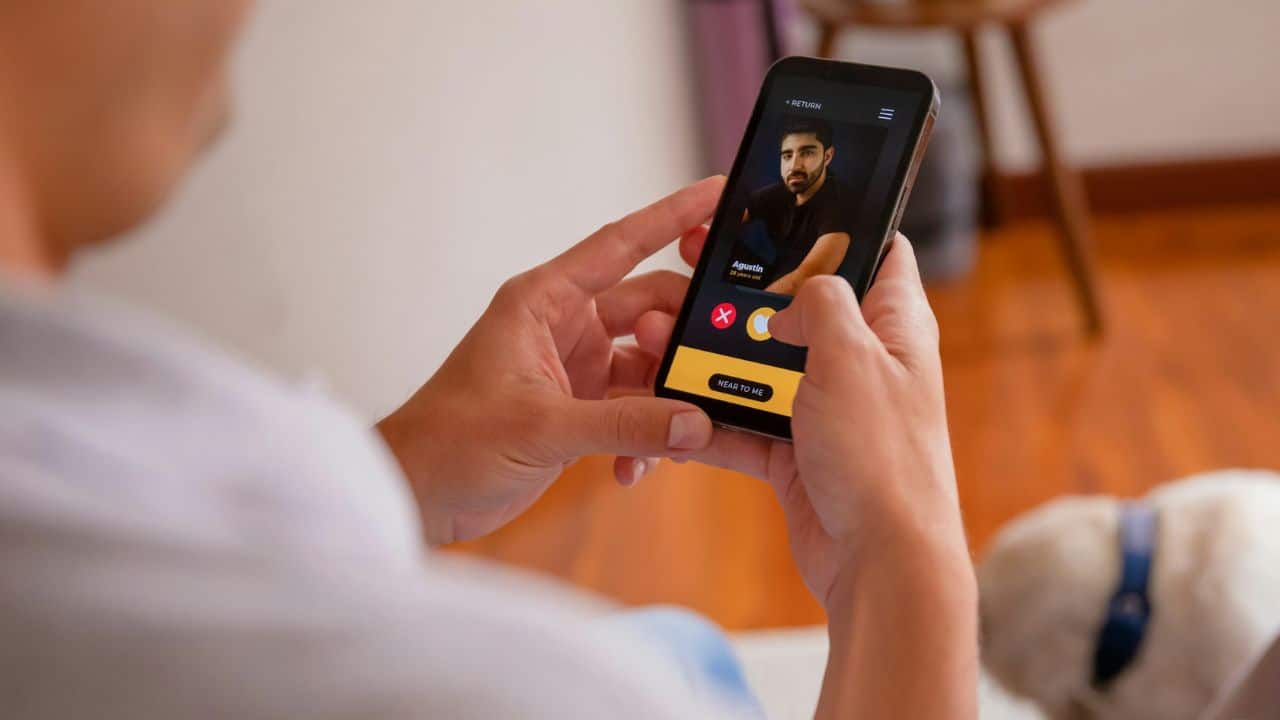
At a certain point, the business model becomes obvious. Engagement matters more than outcomes. Success would mean fewer users, not more. Once that clicks, motivation drops sharply. Opting out feels logical, not dramatic.
The reward system loses its appeal
Matches and notifications give small hits of excitement at first. Over time, they stop feeling rewarding. The novelty wears off, but the habit remains. Breaking that cycle feels freeing, not scary.
Time matters more now

Men in this age range value time differently. Long workdays, family responsibilities, and personal goals leave less room for wasted effort. Spending hours on apps with little return doesn’t make sense anymore. Efficiency becomes a priority.
Better options exist outside apps

Many men eventually find better results through social circles, activities, or more intentional setups. Those paths may be slower, but they feel more grounded. The effort matches the outcome more closely. Once that happens, the apps lose their appeal entirely.








Ask Me Anything