
Many men over 40 appear stable from the outside: job, responsibilities, routine, and a life that looks respectable. But feeling stuck is often internal and quiet, showing up as low energy, irritability, numbness, or the sense that time is running out. It is not always a crisis; sometimes it is the slow realization that choices were made on autopilot. Midlife can also bring heavier obligations, kids, aging parents, finances, and career pressure, while personal freedom shrinks. Feeling stuck does not mean life is ruined; it often means the current setup no longer fits who someone has become. These reasons explain how that feeling builds, often without a clear moment when it started.
He Followed the “Responsible Path” Without Checking if It Was His

He Outgrew His Goals but Kept the Same Routine

People change, but routines often do not. A goal that made sense at 25 might feel irrelevant at 42. When routines stay the same, life can feel like repetition without progress. This creates a quiet frustration that has nowhere to go. The man may look successful but feel unfulfilled. The lack of new goals can create a sense of drifting. Stuck often means growth has slowed, not that effort has stopped.
He Stopped Doing the Things That Made Him Feel Like Himself

Hobbies, friendships, and personal interests often shrink under adult responsibility. Over time, life becomes work, errands, and recovery. When identity is reduced to roles, provider, employee, parent, joy becomes rare. This makes life feel narrower than it used to. Many men do not notice the loss until it has been gone for years. The stuck feeling can be grief for a version of life that used to exist. A person cannot feel alive without personal outlets.
He Confuses Stability With Happiness

Stability is valuable, but it is not the same as fulfillment. Many men can point to what is “fine” while feeling emotionally flat. This creates guilt, because life looks good on paper. That guilt often prevents honest reflection. The result is a quiet trap: suffering without permission to admit it. When gratitude becomes a muzzle, the stuck feeling deepens. Fulfillment often requires more than stability.
He Became the Default Problem-Solver for Everyone

Some men become the person everyone relies on. Work expects extra, family expects reliability, and friends expect competence. Over time, this creates a life where there is little room to be weak or uncertain. The man may feel like a tool rather than a person. When help is always given and rarely received, resentment grows. Stuck can be the feeling of being owned by other people’s needs. Carrying everyone’s weight can make freedom feel impossible.
He Lives in Constant “Maintenance Mode”

Maintenance mode is paying bills, keeping the house running, managing schedules, and handling emergencies. It is necessary, but it can swallow life. When every week is about maintaining, nothing feels like building. This creates a sense that time is passing without personal progress. Many men cope by numbing out rather than planning. The result is a life that feels functional but not meaningful. Stuck often means there is no space left for vision.
Financial Commitments Create a Fear of Changing Anything

Mortgages, tuition, debt, and family obligations can make risk feel impossible. Even if a man dislikes his job or lifestyle, the cost of change feels too high. This fear can lock him into a life he no longer wants. It is not laziness; it is financial pressure. Over time, fear becomes a mental cage. He may fantasize about escape but never act. Stuck often grows when options feel too expensive.
He Feels Trapped Between Career Demand and Family Expectations

Many men feel pulled in two directions: be present at home and perform at work. When both sides feel demanding, guilt becomes constant. The man may never feel like he is winning anywhere. This creates burnout and emotional withdrawal. Over time, he stops expecting satisfaction and focuses on survival. The stuck feeling can be chronic guilt without resolution. When life becomes a constant compromise, joy often disappears.
He Has No Real Outlet to Talk Honestly

Many men over 40 have fewer friendships that allow vulnerability. Conversations can become surface-level: sports, work, and jokes. Without an outlet, stress stays trapped inside the body. This can show up as anger, numbness, or impulsive decisions. The man may feel alone even when surrounded by people. Stuck can be emotional isolation that looks like independence. A person cannot adjust to a life they cannot speak honestly about.
He Uses Distraction Instead of Repair

When a man feels stuck, distraction can become a coping strategy. Screens, work, gaming, alcohol, or constant busyness can quiet uncomfortable thoughts temporarily. The problem is that distraction delays decisions and keeps problems alive. Over time, life feels even more out of control. Distraction also reduces energy, which makes change harder. Stuck becomes a cycle: discomfort leads to numbing, numbing reduces action, and action never happens. The trap is not the distraction itself; it is the dependency on it.
He Carries Regret but Calls It “Being Realistic”

Regret often hides behind practicality. A man may say he is just being realistic about time, money, or age. Underneath, there may be grief about missed choices or delayed dreams. Calling it realism can protect pride, but it also blocks growth. Over time, regret turns into bitterness or apathy. The stuck feeling can be a quiet mourning for what could have been. Realistic planning is helpful; resignation is not.
He Feels Like a Role, Not a Person

In some families, a man is mainly valued for what he provides. He becomes “dad,” “husband,” “worker,” or “fixer,” with little room for his inner life. Even in loving families, roles can take over. When he feels reduced to function, joy fades. This can create distance in relationships because emotional presence feels unsafe. Stuck can be the feeling of being known only for usefulness. People need to feel seen, not just needed.
He Avoids Conflict, So Nothing Changes

Some men avoid conflict because it feels exhausting or pointless. They choose peace in the moment and pay for it later. Over time, avoided conversations become permanent patterns. The man may stop asking for what he wants because he expects pushback. This creates quiet resentment and emotional withdrawal. Stuck often means that life is shaped by what is avoided. Change requires some discomfort, and avoidance blocks it.
Burnout Makes Everything Feel Pointless

Chronic exhaustion reduces motivation and hope. When sleep is poor and stress is constant, goals feel like extra burdens. Burnout can make even good opportunities feel overwhelming. This can create a false belief that nothing will help. The man may settle into a low-energy routine that keeps life stable but dull. Stuck can be a nervous system problem, not just a mindset. Energy often needs repair before big change is possible.
He Ignores Health Until It Limits His Options
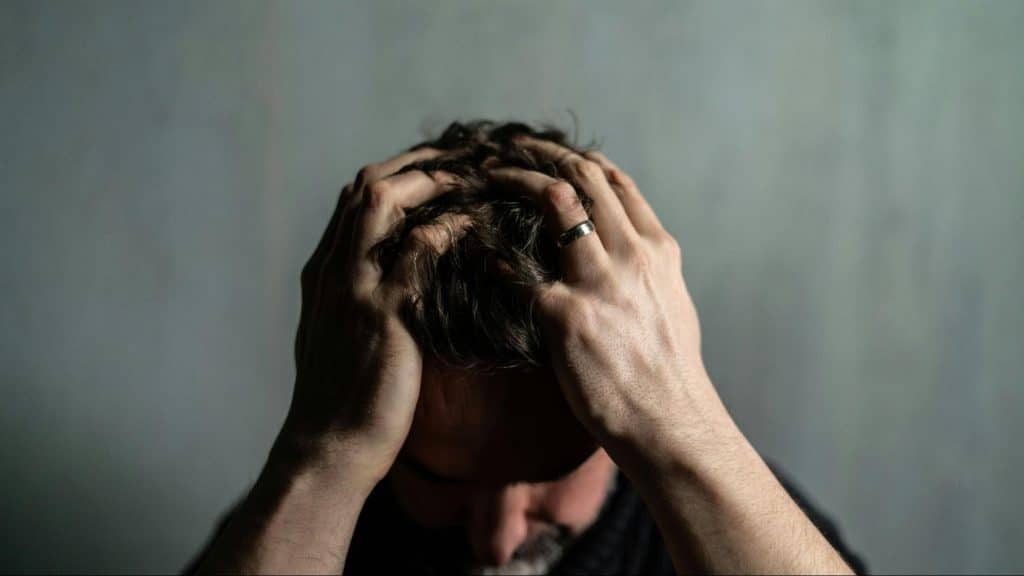
After 40, health habits matter more. When health is neglected, confidence and energy often drop. This can reduce willingness to try new things or take risks. The man may feel older than he is, which fuels resignation. Health issues can also create a sense of being trapped in the body. Stuck can be partly physical: low energy, pain, or poor sleep. Small health improvements often unlock mental momentum.
He Realizes Time Is Shorter, But Has No Plan

Midlife often brings sharper awareness of time. This can create urgency, but also panic. Without a plan, urgency becomes anxiety rather than motivation. The man may feel like it is too late to start over, even when it is not. That belief can keep him in the same loop. Stuck often comes from unclear next steps. A plan does not need to be perfect; it needs to exist.
He Has No “North Star” Outside Being Useful

Many men over 40 can describe what they do, but not what they are building toward anymore. When life becomes mostly about providing and handling responsibilities, personal direction can fade quietly. Without a clear “why,” even a stable life can start feeling like a loop. This is especially common when early goals were based on expectations rather than personal values. Over time, usefulness becomes identity, and identity becomes a cage. Feeling stuck often improves when values are clarified and a small, personal target is chosen. Direction does not have to be dramatic to be real.
Social Comparison Quietly Rewrites What “Success” Is

Comparison is not limited to social media; it can happen at work, reunions, and family gatherings. A man can feel stuck simply because someone else’s life looks more exciting, wealthier, or more respected. This creates a constant background pressure to catch up, even when the current life is objectively stable. The frustration grows when the comparison target is unrealistic or cherry-picked. It can also create shame, which makes honest conversations and change harder. Feeling stuck can intensify when success is defined by outside scorecards. A healthier reset often starts by redefining success in personal terms, not public ones.
Feeling Stuck Is Often a Signal, Not a Sentence

Men over 40 often feel stuck because life became a series of responsibilities without regular realignment. Identity drift, pressure, isolation, and burnout can quietly build a life that looks stable but feels wrong. The feeling is not always a crisis; it is often a warning light that needs attention. The most important shift is moving from numb endurance to honest evaluation. Small changes, new routines, clearer goals, better support, and health repair, often unlock momentum. A different life does not require destroying everything; it often requires rebuilding pieces intentionally. Feeling stuck can be the start of a better plan, not the end of possibility.








Ask Me Anything