
Money isn’t supposed to be the main character on a date, but somehow it always sneaks in. It shows up when the check hits the table, when plans get made, and when expectations quietly form. Nobody announces their opinions out loud, but trust this part: people are paying attention.
By your mid-30s and beyond, money habits start carrying extra weight. Not because anyone is chasing luxury, but because finances hint at stability, judgment, and how life with you might actually feel. These aren’t official rules, and nobody hands you a playbook. Still, they exist, and they shape how dates read the situation. Here are the money rules people silently judge, even when they swear they don’t.
Whoever Invites Usually Pays
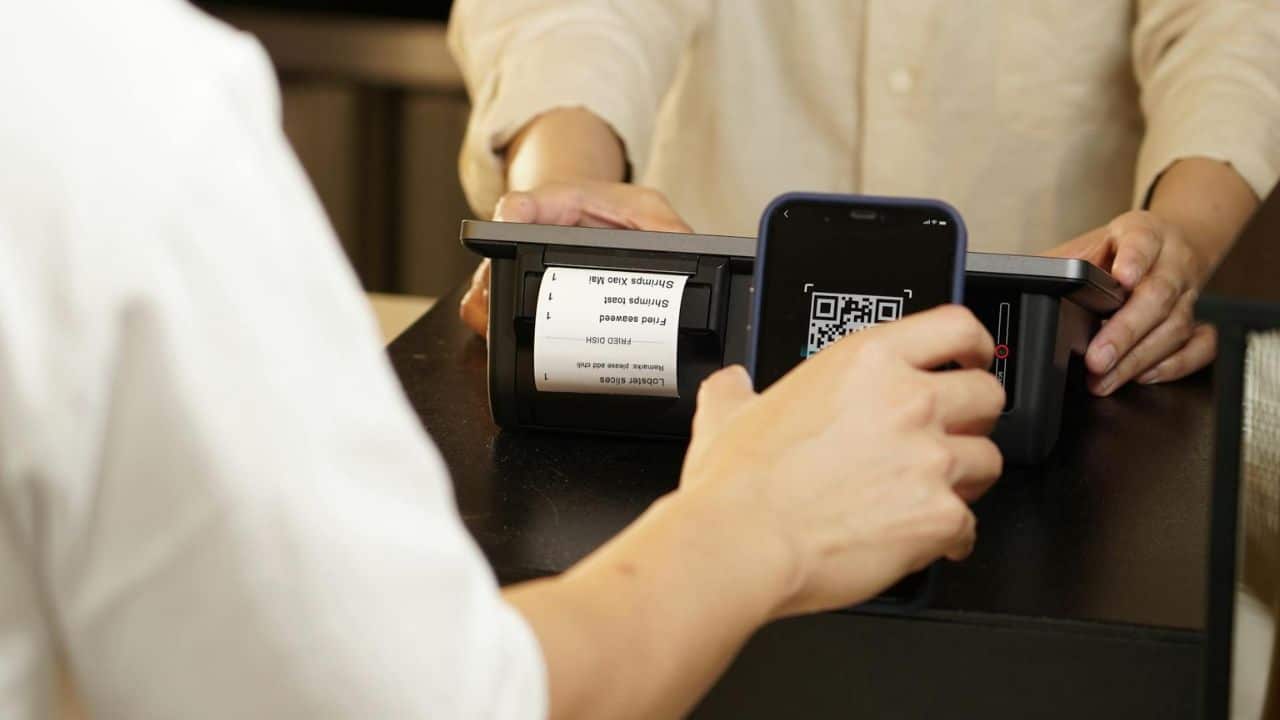
When you ask someone out, there’s an unspoken assumption you’re ready to cover the plan. That doesn’t mean you’re signing up to bankroll the relationship. It just signals confidence and basic social awareness.
Awkward pauses when the check arrives tend to linger longer than the date itself. People rarely say anything in the moment, but they remember how smoothly or clumsily it was handled. Offering to pay is often read as interest, not obligation. It’s less about tradition and more about avoiding unnecessary friction on date one.
By the Third Date, Effort Should Balance Out

Early dating usually comes with some uneven spending, and most people expect that. What starts to stand out is when the imbalance never shifts. By the third date or so, people notice whether effort is being returned in any form.
That return doesn’t always mean money. It can be planning, initiative, or picking up a smaller tab. The judgment isn’t about dollars. It’s about whether the dynamic feels mutual. When one person keeps giving, and the other keeps accepting, it quietly raises questions.
Paying Is Not a Transaction

Covering a meal does not create a debt. Most people are deeply allergic to anything that feels like “I paid, therefore you owe me.” Even hinting at that mindset can shut things down fast.
Some people insist on splitting checks early for exactly this reason. They want clarity, not leverage. Others appreciate generosity but still expect it to come without strings attached. When money feels clean and uncomplicated, the date usually does too.
Bragging About Money Is a Turn-Off

Talking about success is fine. Performing your income usually isn’t. Name-dropping prices, flexing purchases, or framing money as your most impressive trait tends to land poorly.
It often reads as insecurity, even when that wasn’t the intent. Most people would rather learn how you think than what you spend. Quiet confidence travels further than loud numbers. If money matters long-term, it’ll reveal itself without the sales pitch.
Asking About Her Finances Too Early Feels Off

Curiosity is normal, interrogation is not. Asking about income, rent, or savings on early dates tends to feel invasive. Even when framed casually, it can make the conversation tense.
People want to be seen as individuals, not financial profiles. There’s time for practical discussions later if things progress. Early on, heavy money questions suggest anxiety or misplaced priorities. Most dates notice when the focus shifts from connection to calculation.
Being Cheap Is Different From Being Practical

Budget awareness is attractive. Nickel-and-diming rarely is. People notice when someone obsesses over small costs in ways that drain the mood.
This shows up in things like rigid bill-splitting, complaining about prices after choosing the venue, or cutting corners that feel unnecessary. It’s not about spending more. It’s about how you handle spending at all. Generosity, even in small moments, tends to stand out more than thriftiness explained out loud.
Overspending Can Be Just as Awkward

Trying too hard to impress with expensive plans can create pressure instead of excitement. Not everyone wants a high-stakes evening with a matching price tag.
Big spending early can raise quite a few questions about motives or expectations. It may also make the other person wonder if this is normal or temporary behavior. Simple plans often feel more relaxed and easier to enjoy, which is kind of the point.
Tipping and Staff Treatment Are Noticed

How you treat service staff is one of the fastest ways people form opinions. Tipping poorly or acting dismissively tends to linger in memory long after the meal.
It signals how you handle power, inconvenience, and basic respect. Even generous dates lose points when this part goes sideways. Nobody wants to date someone who turns into a different person when the bill arrives.
Financial Stability Shows in Small Ways

You don’t need to announce that you’re responsible. It usually shows through planning, consistency, and how calmly you handle minor expenses. People notice when money doesn’t seem to stress you out unnecessarily.
That doesn’t require wealth. It requires control. Being able to handle costs without drama signals maturity. By midlife, many people quietly prioritize stability over flash.
Forgetting Your Wallet Is a Bad Look

Genuine accidents happen, but they’re rarely forgotten. Showing up unable to pay your share tends to create an awkward imbalance.
If it happens once and gets handled smoothly, it’s recoverable. If it feels avoidable or habitual, it raises eyebrows. People remember feeling put on the spot. Reliability matters more than the amount involved.
Complaining About Divorce Money Gets Judged

Post-divorce dating often comes with financial realities. What gets judged is how you talk about them. Constant resentment, blame, or victim framing tends to make people uneasy.
Handling obligations calmly signals growth. Turning every money conversation into a war story does the opposite. Most dates are listening for emotional stability as much as financial stability how you carry the past matters as much as what it cost.
Hiding Financial Realities Backfires Later

Major financial factors eventually surface. Debt, dependents, or obligations don’t disappear because they weren’t mentioned. Waiting too long to share them can feel misleading.
Timing matters. Early honesty isn’t about oversharing, but about respecting the other person’s reality. Surprises tend to erode trust. People judge secrecy more harshly than imperfect circumstances.
Ignoring Budget Differences Creates Friction

Income gaps happen. What gets judged is whether they’re acknowledged. Suggesting plans far outside someone’s comfort zone can feel tone-deaf.
Likewise, silently struggling to keep up breeds resentment. Adjusting plans shows awareness and flexibility. People notice when you make space for their reality instead of assuming yours is universal.
Money-Driven Interest Is Hard to Ignore

When interest seems tied to spending, people start connecting dots. It’s rarely said directly, but patterns get noticed quickly.
That doesn’t mean testing someone or withholding generosity. It means paying attention to how effort flows both ways. Genuine interest shows up outside of expensive settings. Most people want to feel chosen, not funded.
Long-Term Money Habits Eventually Matter

As dating becomes more serious, money values come into focus. Spending styles, saving habits, and future goals start intersecting.
People may not talk about it early, but they’re assessing compatibility quietly. Repeated tension around money usually doesn’t resolve itself. When money habits align, everything else tends to feel easier.








Ask Me Anything