
Emotional checkout rarely happens overnight. It’s usually a slow, quiet process where disappointment piles up, needs go unmet, and hope fades little by little. Many women don’t announce they’re done—they adjust internally first. By the time it becomes obvious, the emotional distance has often been there for months or even years.
These behaviors aren’t about blame; they’re signals. If you notice several of these patterns, it’s a cue to pause, reflect, and decide whether repair is possible—or whether the relationship is already running on empty.
1. She Stops Bringing Up Issues Altogether

When a woman emotionally checks out, she often stops complaining—not because things improved, but because she no longer believes change will happen. The silence isn’t peace; it’s resignation. She’s already processed the disappointment internally and decided it’s not worth the emotional labor to explain herself again. If conversations that once sparked emotion now get shrugs or “it’s fine,” that’s a warning sign. The fix isn’t demanding honesty—it’s showing, consistently, that her concerns will actually lead to change.
2. Her Reactions Become Flat or Muted

Big news, arguments, or even apologies barely move her anymore. Emotional checkout often looks like emotional neutrality. She’s not angry, excited, or deeply hurt—just distant. This usually means she’s already grieved the relationship privately. Pushing her to “feel more” backfires; emotional range returns only when safety and trust are rebuilt through steady behavior.
3. She Invests More Energy Outside the Relationship

Work, hobbies, friendships, or solo routines suddenly get her best energy. This isn’t about independence—it’s emotional reallocation. When the relationship stops feeling nourishing, she invests where she feels competent, valued, or emotionally full. Instead of reacting with jealousy, assess whether the relationship still offers emotional payoff or mostly drains her.
4. Physical Affection Feels Obligatory or Disappears

Hugs feel stiff, intimacy becomes rare, or touch feels transactional. Emotional distance often shows up physically long before a breakup. Many women need emotional closeness to feel physical desire, so when that bond erodes, affection can feel exhausting instead of connecting. Repair starts with emotional presence, not pressure for sex or reassurance.
5. She No Longer Asks for Support

When a woman stops leaning on you during stress, it’s often because past attempts left her feeling dismissed, rushed, or alone. Emotional checkout includes learning to self-soothe instead of reaching out. If she does open up, how you respond matters more than what you say—listening without fixing or defending is key.
6. Her Future Talk Excludes “Us”

She talks about plans using “I” instead of “we.” This subtle language shift reflects an internal decision to emotionally separate her future from the relationship. She’s no longer building with you in mind. Reversing this requires rebuilding shared vision through action, not forcing commitment conversations.
7. She Becomes Excessively Polite

Conflict disappears and gets replaced by politeness and distance. This isn’t emotional maturity—it’s disengagement. She’s stopped arguing because arguing stopped feeling productive. Politeness is safer than vulnerability. If you want closeness back, you’ll need to invite honest conversations and tolerate discomfort.
8. She Stops Celebrating Wins With You

Good news goes to friends or family first. Sharing joy is a form of bonding, and when that stops, it signals emotional distance. If she doesn’t feel emotionally met, she won’t instinctively share her highs. Rebuild this by showing genuine interest and celebration without redirecting attention back to yourself.
9. Arguments End Too Quickly

She agrees too fast or disengages mid-discussion. This isn’t compromise—it’s emotional fatigue. She’s learned that pushing her point won’t change anything. The goal isn’t to keep arguments alive, but to show you’re listening for understanding, not just waiting for your turn to respond.
10. She Lowers Her Expectations Dramatically

She stops asking for dates, effort, or emotional presence. This isn’t because she needs less—it’s because she’s stopped hoping. Lowered expectations are a coping strategy. If you want this to change, raise your own standards for how you show up without waiting to be prompted.
11. She Stops Trying to Be Understood

She no longer explains her feelings in detail or corrects misunderstandings. Emotional checkout often includes deciding that being misunderstood hurts less than trying again. To counter this, reflect back what you hear and ask if you’re understanding her correctly—without defensiveness.
12. Emotional Warmth Doesn’t Return After Conflict

Even after apologies or solutions, the closeness doesn’t come back. This suggests the issue isn’t the argument—it’s the emotional backlog. One good conversation won’t fix months of disappointment. Trust is rebuilt through consistency, not emotional intensity.
13. She Seems Relieved When You’re Apart

Time alone feels restorative instead of lonely for her. This doesn’t mean she dislikes you—it means the relationship has become emotionally draining. The solution isn’t more togetherness, but making time together feel emotionally lighter and safer.
14. She Stops Checking In on Your Inner World

She no longer asks how you’re really doing or follows up on things you shared. Emotional checkout narrows her emotional focus to self-preservation. If you want her curiosity back, model emotional curiosity yourself without expecting immediate return.
15. She Handles Relationship Issues Logically, Not Emotionally
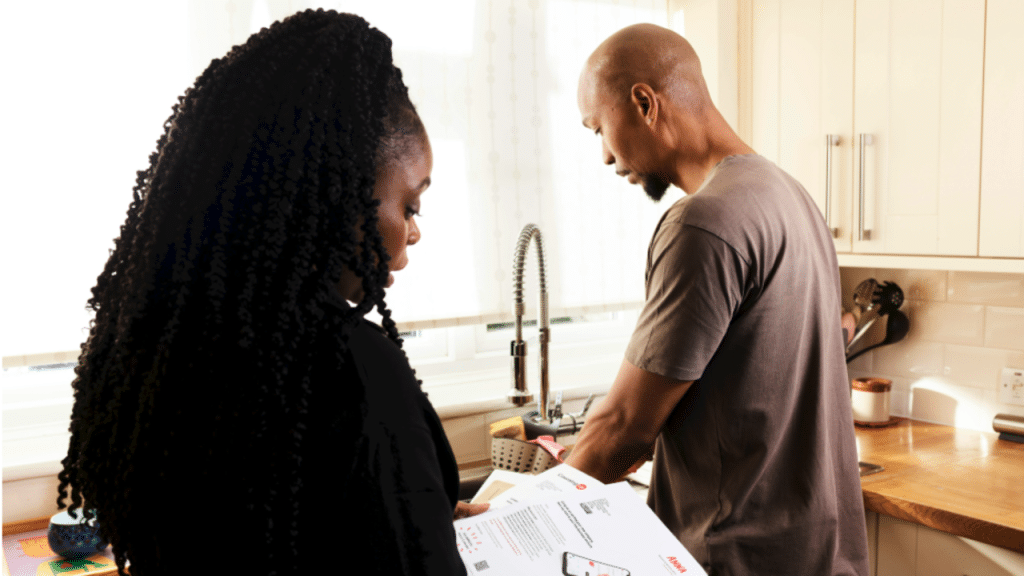
Conversations feel clinical or detached, almost managerial. Emotional distancing helps her avoid disappointment. Reintroducing emotional depth requires patience, vulnerability, and emotional accountability—not grand gestures.
16. She Quietly Builds Self-Sufficiency

She becomes more independent financially, emotionally, or socially. This often isn’t intentional—it’s protective. Emotional checkout includes preparing for a future where she doesn’t rely on the relationship. At this stage, actions matter far more than promises.
17. She Feels Indifferent Instead of Sad

The clearest sign: she’s no longer grieving the distance. She’s accepted it. Emotional checkout is complete when sadness turns into neutrality. At this point, the only real question is whether both people are willing to rebuild from the ground up—or respectfully let go.








Ask Me Anything