
Many marriages fail because of small problems that stay small… until they don’t. And one of the easiest ways to speed up that decline is telling yourself, “It’s just a phase.” It sounds calm, logical, even mature. But a lot of the time, it’s just denial with better branding.
If you’re a husband who thinks things will naturally go back to normal, this article isn’t here to shame you. It’s here to show you the common ways men accidentally make things worse by waiting too long, staying passive, or treating serious issues like temporary mood swings. Because in real life, “just a phase” often turns into “how did we get here?”
You dismiss her feelings instead of taking them seriously.
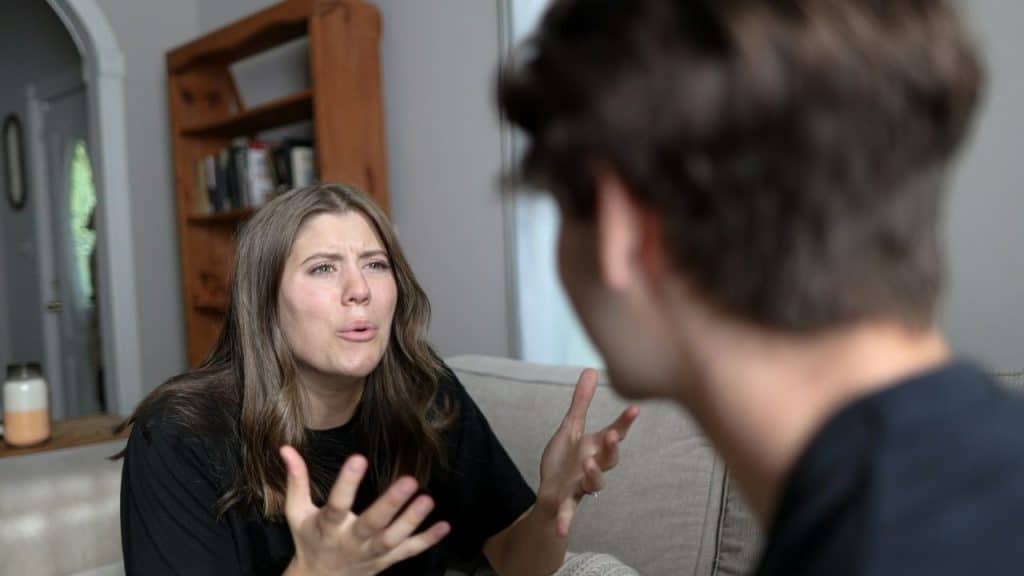
When she says she’s tired, lonely, overwhelmed, or unhappy, it’s easy to hear it as a complaint. So you brush it off, tell her she’s stressed, or assume she’ll feel better tomorrow. The problem is, emotions don’t work like a weather forecast. If she’s been saying the same thing for weeks, it’s not a mood. It’s a message.
And once she feels like her emotions don’t matter to you, she stops bringing them to you. Not because she’s fine, but because she’s done trying.
You treat “less talking” like a win.

Some men think a quiet house means peace. No fights, no tension, no drama. It feels like the storm passed. But sometimes it didn’t pass. Sometimes it just went underground.
If your wife used to bring things up and now she doesn’t, that’s not always progress. It can be the moment she starts emotionally detaching. And emotional detachment is usually quieter than anger, which is why it catches men off guard.
You avoid hard conversations because you don’t want conflict.

A lot of husbands aren’t scared of talking. They’re scared of talking and it turning into a fight. So they keep it light, stay busy, change the subject, or tell themselves it’s not the right time. That feels like control in the moment. It feels like being “the stable one.”
But it also means the real issues never get touched. And the longer you avoid them, the more emotional weight they carry. Eventually, the conversation you avoided becomes the conversation you can’t escape.
You assume love should survive on autopilot.

This one is common for men who are loyal and committed. You’re still there. You’re still working. You’re still providing. So in your mind, the relationship should be fine. But marriages don’t run on presence alone.
When effort drops to zero, connection starts starving. And no, you don’t need grand romantic gestures every week. But you do need consistent signs that your wife still matters to you beyond being part of your routine.
You ignore emotional distance because “we’re just busy.”

Busy seasons happen. Kids, work, stress, family issues, health stuff. It’s normal for couples to have weeks where they feel off. The mistake is treating emotional distance like a harmless side effect of life instead of something you actively address.
If you feel like roommates more than partners, that’s not something to wait out. It’s something to rebuild. Because distance doesn’t magically shrink on its own. It usually grows.
You downplay red flags because you don’t want to panic.

Red flags don’t always look dramatic. Sometimes they look like your wife being less affectionate. Or less curious about your day. Or more irritated than usual. Or not laughing at things she used to laugh at.
Men often ignore these because they don’t want to overreact. They want to be calm and steady. But calm isn’t the same as passive. You can stay grounded and still take things seriously. That’s what strong husbands actually do.
You think “fixing it” is the same as understanding it.

A lot of men go straight into solution mode. Your wife says she’s stressed, and you tell her what to do. She says she feels disconnected, and you suggest a date night like it’s a broken part you can replace. The intention is good. The impact often isn’t.
Sometimes she doesn’t want a fix. She wants to feel understood. If she feels like you’re trying to shut the problem down instead of listening, she’ll stop opening up. And then you’re left “fixing” a marriage you no longer have access to.
You keep acting like your marriage will “reset” later.

This is where “just a phase” becomes dangerous. You tell yourself things will improve after this work project ends. After the kids get older. After the finances stabilize. After life calms down.
But life doesn’t calm down. It just changes flavors. And if your marriage only gets attention when life is easy, it’s going to struggle for most of the relationship. Waiting for the perfect time is basically choosing no time.
You stop showing appreciation because it feels unnecessary.
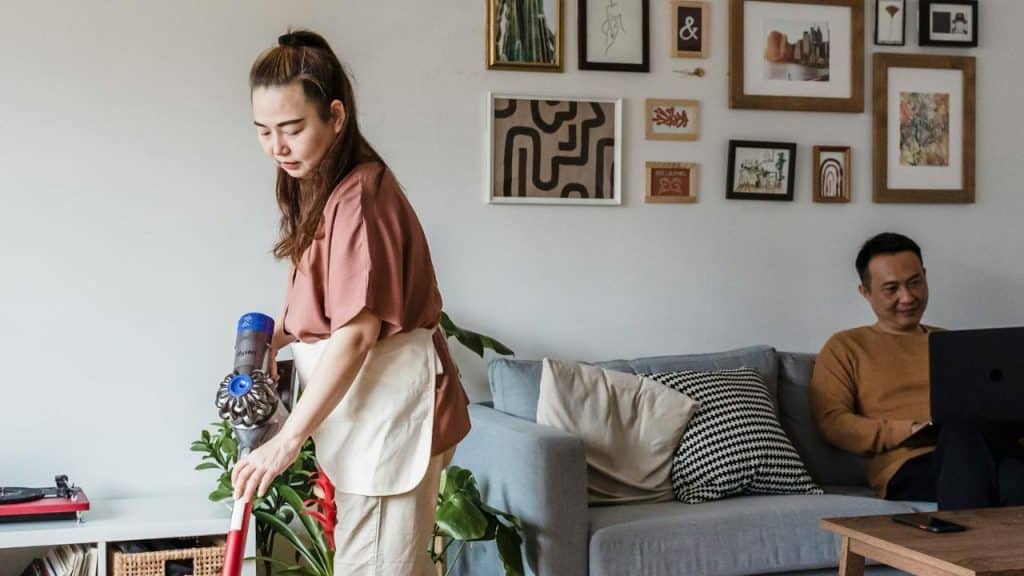
You don’t stop loving your wife. You just stop expressing it. You assume she knows. You assume it’s obvious. You assume the commitment speaks for itself.
But appreciation isn’t about proving love exists. It’s about making love feel real in daily life. A wife can live in the same house as you and still feel invisible. And once that feeling settles in, it’s hard to undo.
You treat intimacy problems like a normal “married couple thing.”

Intimacy changes over time, sure. But there’s a difference between a normal dip and a long-term freeze. If affection disappears, if sex becomes rare, if physical touch feels awkward, those aren’t random glitches. They’re signals.
And ignoring them doesn’t protect your pride. It just makes the gap wider. If you wait too long, even bringing it up starts feeling uncomfortable. Then both of you stay quiet, and the distance becomes the new normal.
You stay “too busy” and don’t notice you’re emotionally absent.
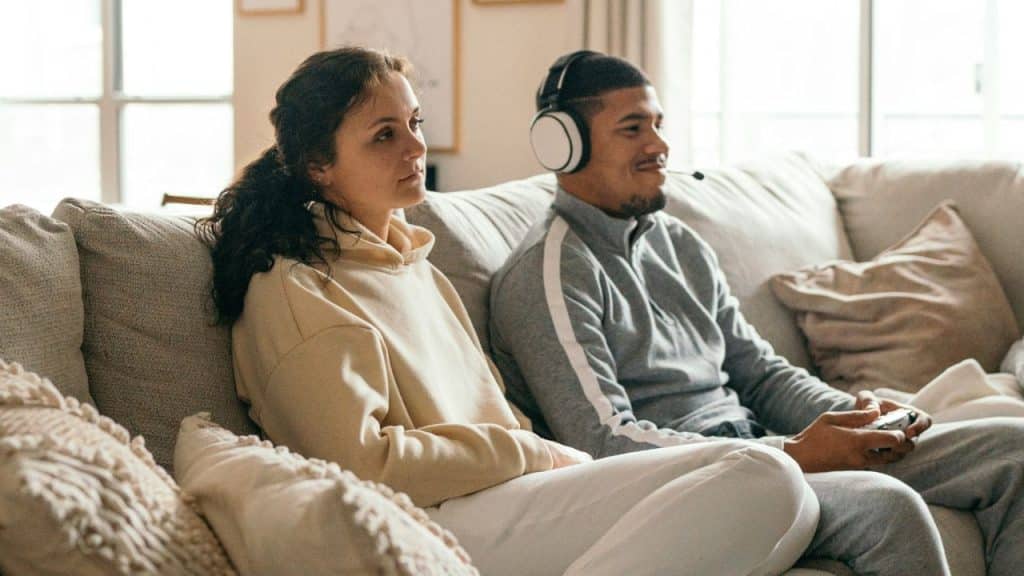
A lot of men aren’t trying to neglect their marriage. They’re trying to keep life running. They’re trying to handle responsibilities. They’re trying to provide. But being responsible isn’t the same as being emotionally present.
If your wife feels like she has to compete with your phone, your work stress, your hobbies, or your exhaustion, she’s going to lose patience. Not because she’s needy, but because she wants a partner, not a schedule.
You assume your stress excuses your behavior.
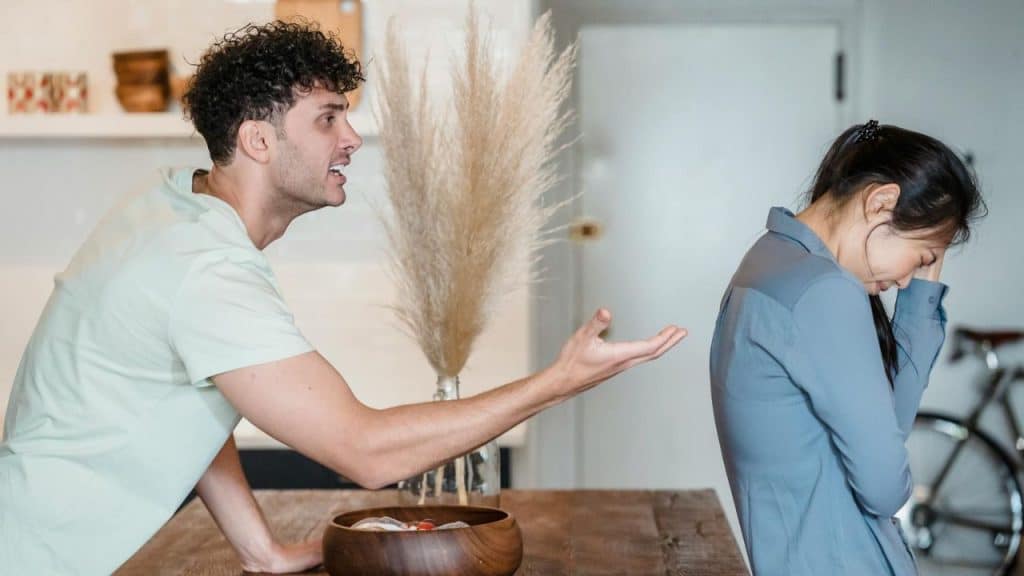
Stress makes people shorter, colder, more irritable, less patient. That’s normal. The mistake is using stress as a free pass instead of a warning sign. If you’re snapping, withdrawing, or acting like a stranger at home, “work has been tough” doesn’t fix it.
It explains it, sure. But it doesn’t undo the damage. If stress turns you into someone your wife can’t reach, she’s going to stop trying to reach you. And that’s when the real trouble starts.
You avoid apologizing because you think it makes you look weak.

Some men struggle with apologies because they associate them with blame. Or defeat. Or being “the bad guy.” So instead, they go quiet, act normal, or wait for things to cool off.
But refusing to apologize doesn’t make you strong. It makes you emotionally unavailable. A clean apology isn’t humiliation. It’s a reset button. And the longer you avoid it, the more your wife feels like her pain isn’t important enough for you to own your part.
You refuse outside help because you think it’s “not that serious.”
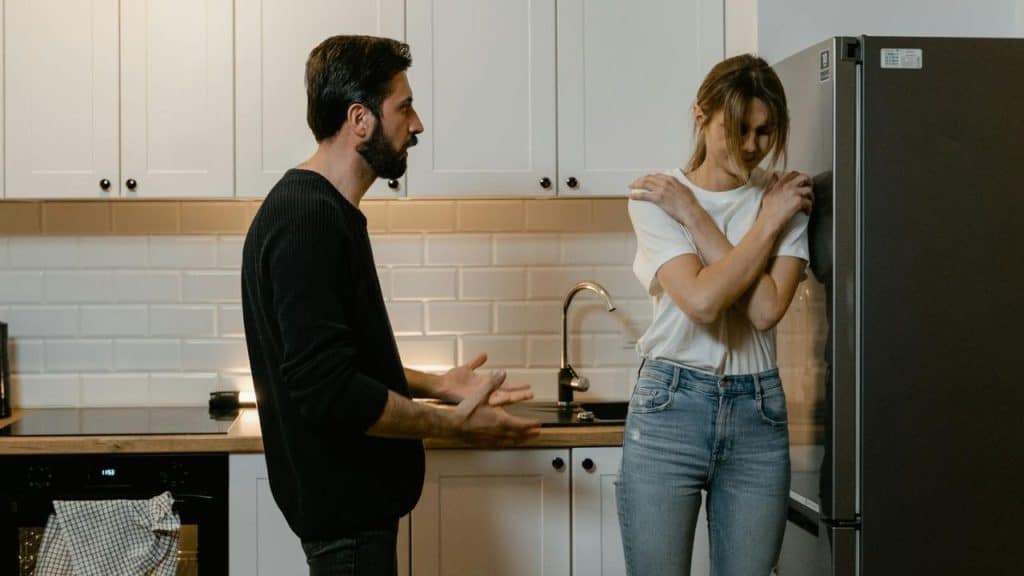
A lot of men hear the word counseling and immediately picture a therapist taking sides. Or digging into childhood trauma. Or forcing feelings out of you like a dentist with no anesthesia. So you say no.
But the truth is, most couples don’t need therapy because they’re broken. They need it because they’re stuck. And if you wait until things are on fire, help becomes harder. Not impossible, just harder than it needed to be.
You stay passive until she stops caring.

This is the fatal one. Not cheating. Not yelling. Not one big betrayal. Just passivity. Waiting. Hoping. Assuming. Letting the marriage run on fumes while telling yourself it’ll bounce back.
By the time many men finally take it seriously, their wife isn’t angry anymore. She’s calm. She’s polite. She’s emotionally gone. And that’s the part that stings, because you realize the marriage didn’t end suddenly. It ended slowly, while you were waiting for a “phase” to pass.








Ask Me Anything