
Emotional growth in men rarely looks dramatic. It doesn’t announce itself through buzzwords, constant self-disclosure, or perfect behavior. Instead, it shows up quietly—in how a man handles discomfort, conflict, responsibility, and intimacy when it would be easier to avoid them.
A man who has done the inner emotional work isn’t trying to prove he’s healed; he’s focused on living better and doing less damage along the way. He’s steadier, clearer, and more accountable because he’s faced parts of himself most people ignore. These signs aren’t about being “soft”—they’re about being emotionally functional, grounded, and trustworthy.
1. He Takes Responsibility Without Being Pressured

He doesn’t need to be cornered, threatened, or emotionally exhausted before admitting fault. When he messes up, he owns it plainly instead of deflecting, minimizing, or blaming circumstances. This comes from learning how to tolerate discomfort without protecting his ego. He understands that accountability isn’t self-punishment—it’s how trust gets rebuilt. Instead of focusing on how bad he looks, he focuses on what needs to be repaired. That shift only comes from real inner work.
2. He Stays Present During Uncomfortable Conversations

Difficult talks don’t cause him to shut down, disappear, or emotionally check out. He remains engaged even when the topic makes him uneasy or defensive. That doesn’t mean he’s perfectly calm—it means he’s learned how to regulate himself under pressure. He knows discomfort isn’t danger; it’s part of growth. This creates emotional safety over time. Presence during tension is a learned skill.
3. He Listens to Understand, Not to Win

He isn’t mentally preparing a rebuttal while the other person is speaking. He listens carefully, asks clarifying questions, and reflects back what he heard. This shows he’s separated his self-worth from being right. He values understanding more than control or dominance. People feel respected around him because they’re not being debated or dismissed. Deep listening is one of the clearest signs of emotional maturity.
4. He Regulates His Emotions Instead of Outsourcing Them

He doesn’t expect others to manage his feelings or calm him down. When he’s upset, he pauses, breathes, and chooses his response rather than reacting impulsively. He’s developed coping tools that don’t involve emotional dumping, avoidance, or numbing. This doesn’t mean he never asks for support—it means he can function without it. Emotional regulation is practiced, not inherited.
5. He Apologizes Without Excuses or Conditions

His apologies don’t come with explanations, justifications, or blame-shifting. He doesn’t say “I’m sorry, but…” or “That wasn’t my intention.” He acknowledges what he did and how it affected the other person. This shows he understands that impact matters more than intent. Clean apologies rebuild trust quickly. They also require humility most people avoid.
6. He Knows His Triggers and Manages Them

He’s aware of what sets him off emotionally and doesn’t pretend otherwise. More importantly, he doesn’t use his triggers as permission to behave badly. He notices patterns and actively works to interrupt them. This level of awareness comes from honest self-reflection, not surface insight. When a man manages his triggers, his past stops running his present.
7. He Sets Boundaries Without Guilt or Aggression

He can say no clearly and calmly without over-explaining or apologizing excessively. At the same time, he doesn’t enforce boundaries through anger, withdrawal, or ultimatums. His limits are consistent and respectful. This shows he understands where he ends and others begin. Healthy boundaries protect relationships instead of damaging them.
8. He Allows Himself to Feel Difficult Emotions

He doesn’t avoid sadness, fear, or disappointment by staying busy or joking them away. He acknowledges uncomfortable emotions instead of suppressing them. This doesn’t mean he wallows—it means he processes. He’s learned that emotions pass faster when they’re allowed instead of resisted. Over time, this makes him more resilient, not fragile. Emotional honesty starts internally.
9. He Handles Feedback Without Becoming Defensive

Criticism doesn’t immediately feel like a personal attack. He pauses before reacting and considers whether there’s truth in what’s being said. Even when feedback stings, he stays open rather than counter-attacking. This shows he separates behavior from identity. Growth requires feedback, and he understands that. Defensiveness fades when self-worth is stable.
10. He Is Comfortable Being Alone With Himself

He doesn’t need constant distraction, validation, or noise to feel okay. Time alone doesn’t scare him—it grounds him. This usually comes from learning how to sit with his own thoughts and emotions. He’s built internal stability instead of relying on external approval. Men who avoid themselves rarely do inner work.
11. He Approaches Emotional Intimacy at a Healthy Pace

He doesn’t rush closeness to fast-track connection, and he doesn’t avoid it out of fear. He allows trust and vulnerability to build naturally. This shows he understands his attachment patterns. He can tolerate emotional closeness without panic or control. Balanced intimacy is a sign of deep emotional awareness.
12. He Communicates His Needs Directly

He doesn’t hint, sulk, or expect others to read his mind. He expresses what he needs clearly and respectfully. This takes courage, especially for men taught to suppress their needs. He understands that unspoken expectations create resentment. Clear communication is a learned skill, not a personality trait.
13. He Breaks Old Emotional Patterns

He notices when he’s about to repeat unhealthy cycles in relationships or conflict. Instead of defaulting to habit, he pauses and chooses differently. This is one of the clearest signs of inner work. Growth isn’t about perfection—it’s about interruption and adjustment. Over time, his behavior actually changes.
14. He Accepts That Growth Is Ongoing

He doesn’t act like he’s “finished” working on himself. He understands that self-awareness evolves with experience. This keeps him curious rather than defensive. He’s open to learning and correction. Men who’ve done real inner work know it never fully ends.
15. He Responds Instead of Reacting

He creates a pause between emotion and action. Instead of reacting impulsively, he chooses how to respond. This doesn’t mean he suppresses feelings—it means he channels them wisely. That pause is trained through self-awareness and practice. Emotional control is mastery, not repression.
16. He Takes Responsibility for His Emotional Labor

He doesn’t expect partners or friends to manage his emotional world. He reflects, self-soothes, and processes on his own when needed. When he asks for support, it’s collaborative—not dependent. This shows emotional independence without emotional distance. Healthy relationships require shared responsibility.
17. People Feel Safe Being Honest Around Him
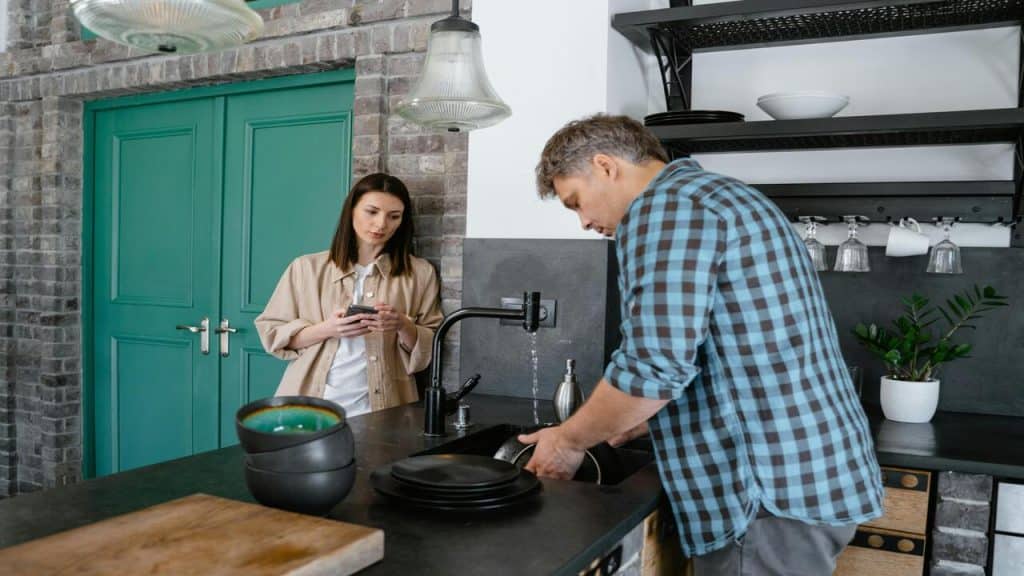
Others don’t walk on eggshells or over-filter themselves around him. They trust that honesty won’t be met with anger, withdrawal, or manipulation. Emotional safety is built through consistent behavior, not promises. When people open up naturally, it’s because he’s earned that trust. That’s the strongest proof the work is real.








Ask Me Anything