
Most marriages don’t fall apart because of one big betrayal or explosive fight. They wear down quietly. Day by day, routine replaces attention, assumptions replace communication, and small frustrations stop feeling worth mentioning. From the outside, everything still looks fine.
When divorced women talk about what actually broke their marriages, they rarely point to a single moment. Instead, they describe patterns that seemed harmless at first. Habits that didn’t raise alarms because they were common, familiar, and easy to dismiss. Over time, those habits reshaped how the relationship felt.
This article isn’t about blame or guilt. It’s about understanding how small behaviors change the emotional climate of a marriage long before divorce is ever discussed.
He stopped being physically present in small ways

This wasn’t about sex disappearing overnight. It was about the gradual loss of everyday touch. Hugs became quick. Sitting close stopped happening. Physical affection started to feel optional instead of natural.
Many women said this shift made them feel unwanted long before they could explain why. Physical closeness often signals safety and connection, even when nothing sexual is happening. When that signal fades, distance grows quietly. Most husbands didn’t notice because nothing dramatic changed. The affection didn’t end—it just thinned out until it mattered more than anyone realized.
Shared time became negotiable instead of protected

Time together didn’t disappear. It just stopped being prioritized. Evenings were filled with phones, TV, or separate activities. Weekends became packed with errands or individual plans.
Women described feeling like they had to compete with distractions for attention. It wasn’t about constant dates or elaborate plans. It was about whether time together still felt intentional. When shared time becomes optional, the relationship slowly moves from connection to convenience.
Conversations stayed practical and shallow

At some point, conversations shifted from personal to logistical. Schedules, bills, kids, and chores dominated most interactions. Emotional check-ins became rare.
Women said they stopped sharing thoughts because it felt unnecessary or unwelcome. When curiosity fades, people stop opening up. The relationship still functions, but intimacy quietly weakens. It’s hard to notice this happening because nothing is technically “wrong.” The depth just slowly disappears.
Small criticisms piled up over time

No single comment caused damage. It was the accumulation. Corrections about how things were done. Comments about tone, timing, or effort. Little remarks that felt constant.
Over time, those comments changed how women felt in their own homes. Instead of feeling supported, they felt evaluated. Even neutral feedback started to feel exhausting. Criticism doesn’t need to be cruel to be corrosive. Frequency matters more than intensity.
Emotional support became inconsistent
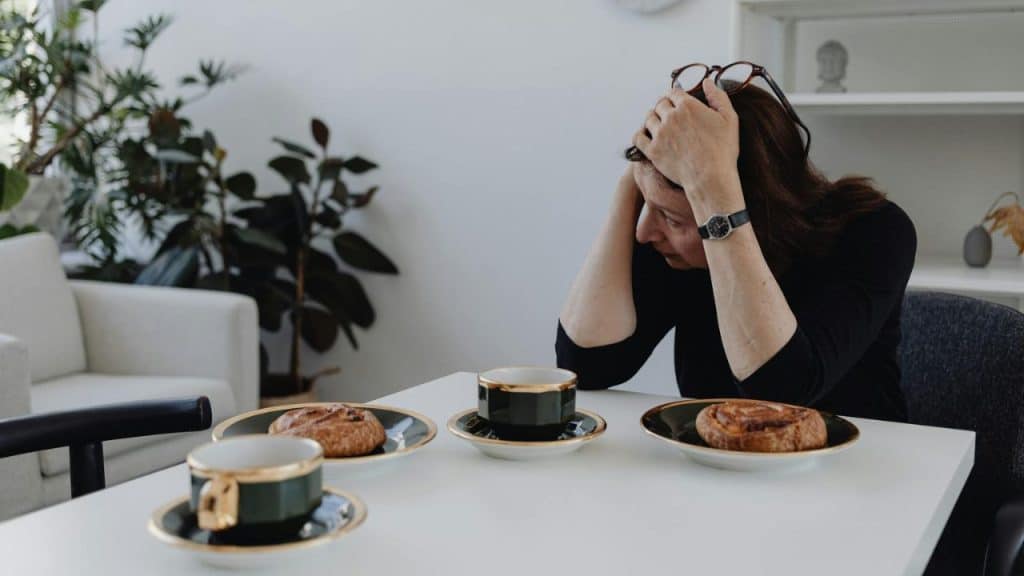
Many women said they stopped feeling emotionally supported during stress. Conversations felt rushed. Responses felt distracted. Problems were minimized instead of acknowledged.
When emotional availability fades, people adapt by handling things alone. That independence looks fine on the surface, but it slowly disconnects partners from each other. Feeling emotionally alone inside a marriage is one of the hardest experiences to articulate—and one of the easiest to overlook.
She started checking out mentally before anything ended

Before divorce was ever discussed, many women had already detached internally. Daydreaming became common. Imagining life without constant disappointment felt easier than addressing it.
This mental distance didn’t happen suddenly. It developed as a way to cope. By the time separation was mentioned, emotional separation had already occurred. From the outside, this looks like indifference. Internally, it’s usually exhaustion.
Appreciation became rare

Effort went unnoticed. Changes weren’t acknowledged. Accomplishments passed without comment. Women said this made them feel invisible. Not unappreciated in a dramatic sense, but quietly taken for granted. Over time, that absence reshaped how valued they felt. Appreciation doesn’t require constant praise. It requires noticing.
Initiating closeness started to feel risky

Some women stopped initiating affection because rejection felt predictable. Others felt awkward expressing needs that used to feel natural.
When closeness becomes uncomfortable to ask for, people stop asking. Silence replaces vulnerability. Distance grows without conflict. Avoidance often looks like peace, but it usually signals discomfort.
The same arguments never actually resolved

Certain disagreements kept returning without progress. Conversations ended without clarity. Compromises felt temporary.
Over time, repeated arguments drained energy and patience. Women described feeling like nothing ever truly changed, no matter how many times it was discussed. Unresolved conflict doesn’t stay contained. It slowly reshapes how safe it feels to speak up.
The emotional tone at home changed

Home started feeling tense instead of calm. Conversations felt cautious. Silence lingered longer.
This wasn’t constant fighting. It was a low-level unease that never fully lifted. Over time, that tension became normal. When emotional safety fades, people protect themselves instead of connecting.
Personal vulnerabilities were used during conflict

Some women shared that things said in confidence later came up during arguments. That shift broke trust quickly. Once vulnerability feels unsafe, openness disappears. People stop sharing not because they don’t care, but because they’re protecting themselves.
Trust is hard to rebuild once it’s been compromised this way.
Major decisions happened without real collaboration

Career moves, financial choices, and family plans were sometimes made with minimal discussion. Being informed wasn’t the same as being involved.
Women said this made them feel sidelined rather than partnered. Even good decisions can cause resentment when someone feels excluded. Partnership requires shared direction, not just shared outcomes.
Encouragement faded while expectations stayed high

Supportive feedback became rare. Pressure remained.
When encouragement disappears, effort feels heavier. Women described feeling like they were constantly falling short without knowing why. People thrive when effort is acknowledged. Without that, motivation fades.
The relationship became divided instead of shared

Responsibilities, goals, and priorities slowly separated. Life became organized around “mine” and “yours.” Independence wasn’t the problem. Disconnection was. When shared identity fades, teamwork disappears.
Marriage functions best when both people feel like they’re moving in the same direction.
Old resentments were never fully addressed

Apologies happened, but resentment lingered. Certain issues never truly healed.
Unresolved resentment quietly influences tone, patience, and willingness to reconnect. Even when unspoken, it shapes behavior. Forgiveness that doesn’t fully land tends to resurface later.
Self-focus slowly replaced partnership

Work, stress, hobbies, and personal goals took center stage. The relationship stayed on autopilot.
Most husbands didn’t see this as neglect. They assumed stability meant safety. Over time, that assumption created distance. Relationships don’t collapse from neglect overnight. They erode when attention is repeatedly postponed.








Ask Me Anything