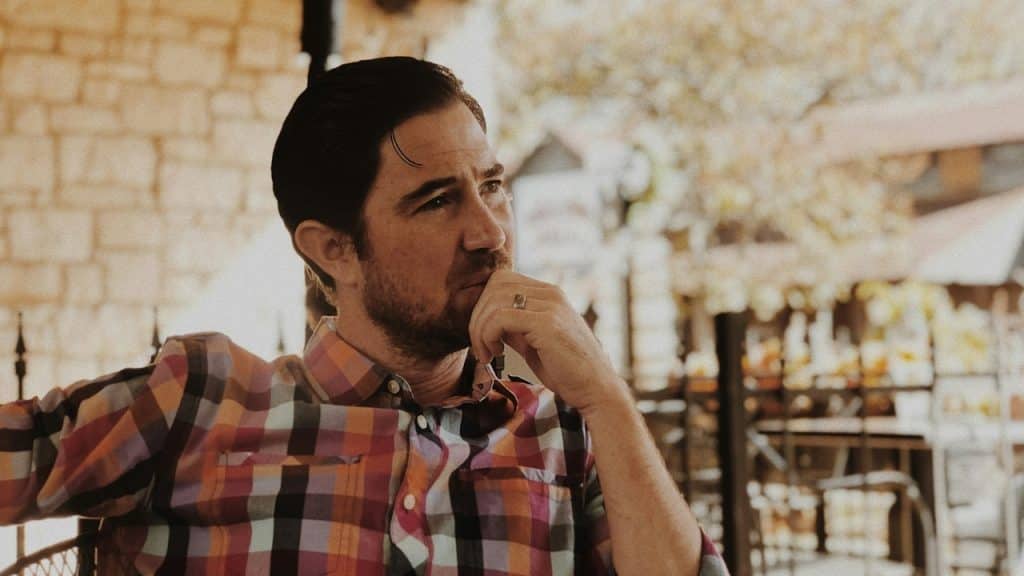
Research often shows that a large share of divorced people question the decision later, not because the marriage was perfect, but because so much went unsaid. Many men spend years swallowing uncomfortable truths to avoid conflict, protect their image, or live up to what they think a husband is supposed to be. Pride, fear, and habit keep those thoughts locked away. Over time, that silence does more damage than any argument ever could.
He Felt Relieved When She Was Away

There were moments when the house felt lighter without her around, and that feeling came with guilt. He didn’t hate his wife, but he loved the quiet and lack of tension. Admitting that relief felt cruel, like proof he was failing as a husband. So he kept it to himself and pushed through. After divorce, many men admit that feeling was a warning sign they ignored.
He Missed Having Control Over His Own Life

Small decisions stopped feeling small over time. What he did with his weekends, money, or free hours always required discussion or approval. He didn’t want total freedom, just less negotiation over everything. Saying that out loud sounded selfish, so he stayed quiet. After divorce, that independence often feels like oxygen again.
He Felt Lonely Even Though He Was Married
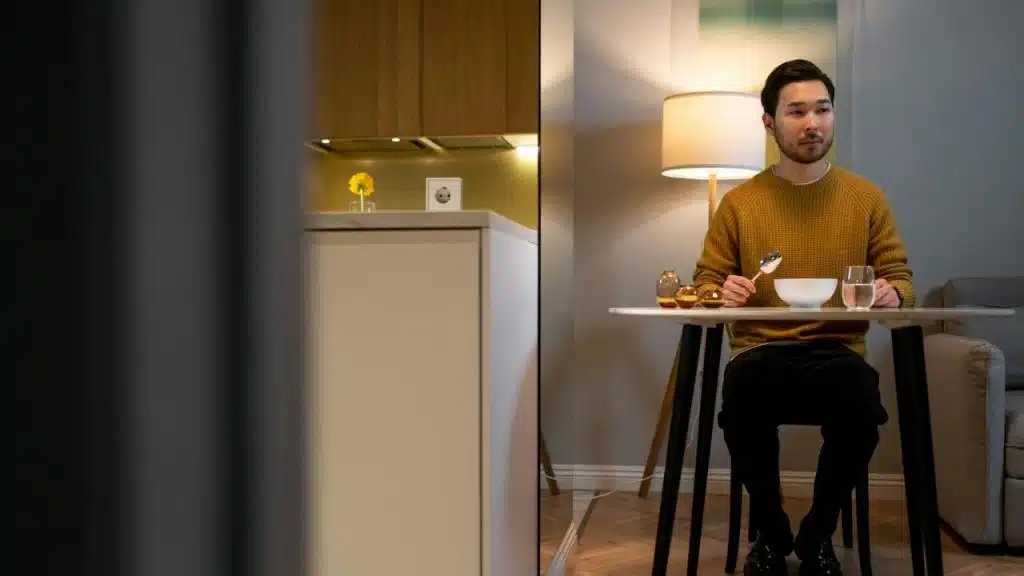
Being married didn’t protect him from feeling emotionally alone. Conversations stayed practical and surface-level, while deeper stuff stayed bottled up. He didn’t want to complain because technically nothing was “wrong.” Over time, that loneliness hardened into distance. It’s one of the hardest truths men admit after the fact.
He Was Tired of Always Being the Stable One

He was expected to stay calm, rational, and steady no matter what. There wasn’t much room for his stress or bad days. If he cracked, it felt like he was letting everyone down. Admitting that the pressure felt weak, he absorbed it silently. After divorce, many men realize how heavy that role really was.
He Wasn’t Happy With Their Intimacy

Physical and emotional intimacy faded, but talking about it felt awkward and dangerous. He worried it would turn into blame or rejection. So he lowered expectations instead of addressing the problem. Over time, resentment replaced desire. Saying nothing felt safer than starting a conversation he couldn’t control.
He Felt Taken for Granted
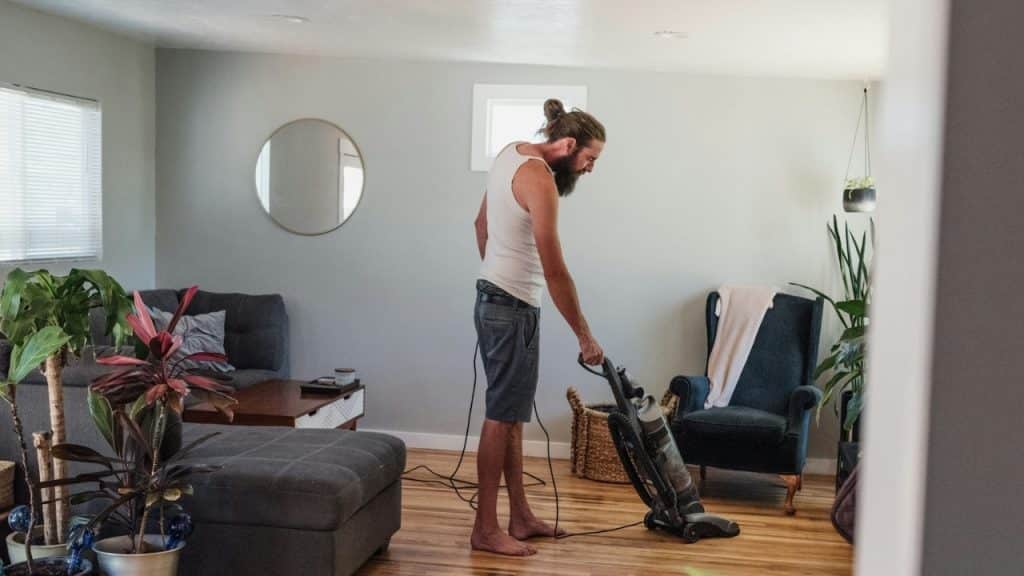
His contributions became invisible because they were consistent. Providing, fixing, showing up, and handling problems turned into expectations. He didn’t want applause, just acknowledgment. Asking for it felt needy, so he stayed quiet. After divorce, that lack of appreciation is often clearer in hindsight.
He Missed Who He Was Before Marriage
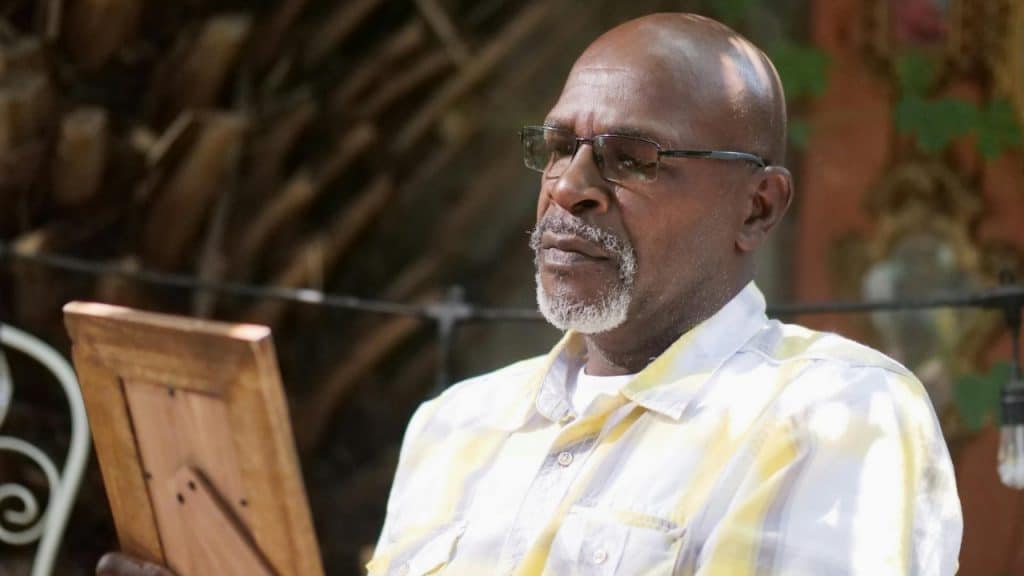
Somewhere along the way, hobbies disappeared, and friendships faded. His identity was narrowed down to work and responsibility. He didn’t blame his wife, but he missed parts of himself. Saying that felt like criticism, so he buried it. Divorce often forces men to rediscover what they gave up.
He Walked on Eggshells More Than He Admitted

Certain topics, moods, or opinions felt off-limits. He learned what to avoid to keep the peace. That constant self-editing was exhausting, even if it prevented arguments. Admitting that tension felt like an attack on the relationship. After divorce, many men realize how much energy it took.
He Avoided Disagreeing to Keep Things Calm

Disagreement felt like escalation, not discussion. So he nodded along even when he didn’t agree. Over time, that created quiet resentment instead of compromise. He didn’t want to be labeled difficult or unsupportive. Silence felt easier than conflict.
He Didn’t Ask for Help Soon Enough

Therapy, counseling, or outside support always felt like a last resort. Admitting he needed help felt like admitting failure. He believed he should be able to fix things himself. By the time help was on the table, it often felt too late. That delay is something many divorced men openly regret.
He Stayed Longer Than He Should Have

He knew the marriage wasn’t working, but leaving felt cruel. He worried about hurting her, the kids, or how he’d be judged. Staying felt like the “right” thing, even when it wasn’t healthy. That hesitation cost both people time. After divorce, many men wish they’d been honest sooner.
He Was Afraid to Talk About Money

Money conversations came with tension and judgment. Spending, saving, and priorities never felt aligned. He avoided the topic to keep things smooth. That silence often led to bigger problems later. Financial stress has a way of growing when ignored.
He Resented Losing Personal Space

Time alone became rare and sometimes questioned. Wanting space felt like rejection rather than a normal need. He didn’t want to explain or justify it. So he learned to live without it. After divorce, personal space often feels like peace, not distance.
He Felt Peaceful After the Separation

Once the dust settled, life felt calmer. Fewer arguments, fewer expectations, and less tension filled his days. Admitting that peace felt wrong, almost disloyal. But it was real. Divorce didn’t fix everything, but it removed constant pressure.
He Fell Out of Love Before the Marriage Ended

Love didn’t disappear overnight. It faded slowly while routine took over. He stayed out of commitment, not connection. Admitting that truth felt brutal, so he kept pretending. Divorce often forces honesty that marriage couldn’t.
He Held Back His Real Thoughts

He filtered opinions, feelings, and reactions to avoid upsetting her. That self-censorship slowly became the norm. Being fully honest felt risky, even unsafe. Over time, he stopped feeling known. Divorce often brings relief simply because honesty becomes possible again.
He Stopped Sharing Wins and Good News

Success sometimes felt minimized or met with indifference. Promotions, goals, and achievements lost their excitement. He stopped sharing because it felt pointless. That quiet disconnect added up over time. After divorce, many men realize how much they missed being supported.








Ask Me Anything