
By the time you’re over 40, marriage stops being theoretical. You’ve lived enough life together to know what works, what doesn’t, and what you’ve been avoiding. Careers are heavier, bodies complain more, and patience isn’t as automatic as it used to be. This is usually the stage where couples either tighten their bond or slowly drift into parallel lives. The difference rarely comes from one dramatic moment. It’s almost always shaped by a handful of habits you repeat without thinking about them.
You talk about problems before they pile up

Most marriages don’t fall apart because of one big fight. They wear down because small issues stay unresolved and quietly stack up. Couples who last tend to address friction early, while it’s still manageable. That doesn’t mean long emotional talks every night, just regular, honest check-ins. Waiting too long turns simple problems into personal ones, and that’s when defensiveness kicks in.
Respect doesn’t get replaced by familiarity

Familiarity is comfortable, but it can slowly erode respect if you’re not careful. Long-term couples who stay solid keep basic courtesy intact, even during disagreements. They don’t talk down to each other or dismiss each other’s opinions. It sounds obvious, but it’s one of the first things to slip when stress rises. Once respect fades, even small conflicts feel heavier than they should.
You stay married because you want to, not because you have to

At this stage, obligation alone isn’t enough to carry a marriage. Couples who thrive still see value in being together beyond convenience or routine. They choose the relationship, even when it’s inconvenient. That mindset changes how problems are handled because the goal stays clear. You’re not stuck together, you’re opting in.
Friendship still exists under the responsibilities

Marriage over 40 often turns into logistics management if you’re not careful. Kids, work, schedules, and bills can crowd out basic enjoyment. Couples who do well still laugh together and share small moments. They treat each other like teammates, not just co-managers of a household. Friendship keeps the relationship human when life gets busy.
Time together is planned, not assumed

Quality time doesn’t just happen anymore. It has to be scheduled, protected, and taken seriously. That might be date nights, shared walks, or quiet time after the house settles. Couples who survive long-term don’t rely on “someday when things slow down.” They make time now, even when it’s inconvenient.
You take care of yourself without guilt
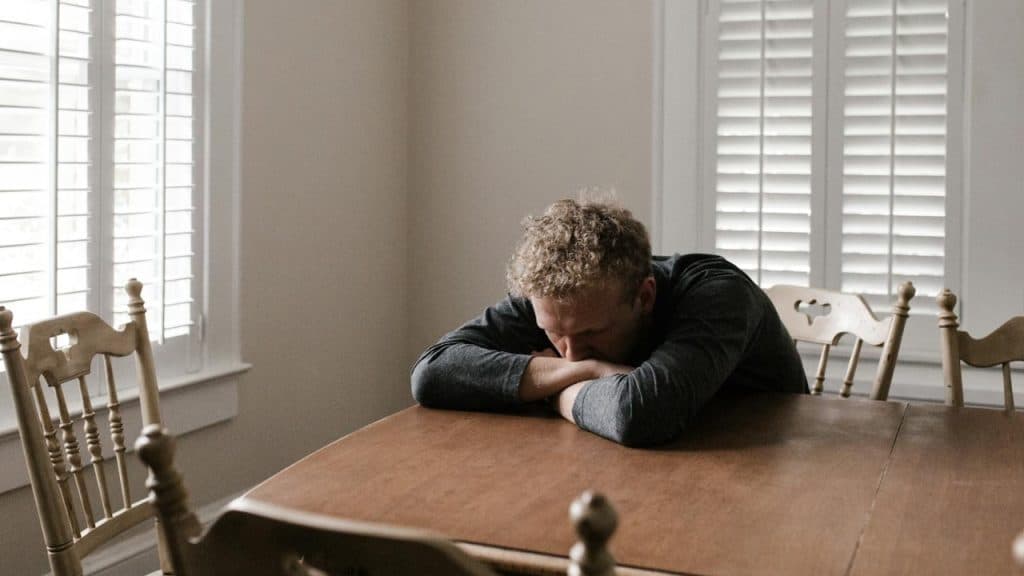
Neglecting your own health and well-being eventually becomes a relationship issue. Physical exhaustion, unmanaged stress, and burnout spill into how you show up at home. Strong marriages often involve two people who take responsibility for their own energy. That doesn’t mean perfection, just awareness. You’re easier to live with when you’re not constantly running on empty.
Arguments stay focused instead of personal

Disagreements are unavoidable, especially after years together. What matters is how they’re handled. Couples who last argue about issues, not character flaws. They avoid dragging up old grievances or attacking each other’s identity. Keeping fights contained prevents damage that’s hard to undo later.
Gratitude doesn’t quietly disappear

Appreciation often fades as routines take over. Couples who thrive still notice effort, even when it’s expected. Acknowledging what your partner contributes keeps resentment from building. It doesn’t need to be dramatic, just consistent. Feeling seen goes a long way in long marriages.
Money conversations don’t get avoided

Financial stress is one of the most common pressure points in midlife marriages. Avoiding money talks doesn’t reduce tension, it increases it. Couples who do well face finances directly and revisit plans regularly. They don’t have to agree on everything, but they stay aligned. Clarity beats silence every time.
You adapt to life stages instead of fighting them

Marriage looks different with teenagers, aging parents, or career shifts in the mix. Couples who struggle often cling to how things used to be. Those who thrive adjust expectations as life changes. Flexibility becomes more valuable than rigid roles. The relationship evolves, or it gets stuck.
Intimacy goes beyond physical connection

Physical intimacy matters, but emotional closeness carries more weight over time. Couples who stay connected talk openly about fears, frustrations, and hopes. They don’t assume their partner already knows how they feel. Emotional distance tends to show up long before physical distance does.
Boundaries protect the relationship

Strong marriages don’t leave everything open-ended. Couples set limits around work, social commitments, and outside influences. This isn’t about control, it’s about priority. When the relationship is clearly protected, both people feel more secure. That security reduces unnecessary tension.
Change is expected, not feared

People change over decades, and pretending otherwise causes friction. Couples who last allow each other to grow without taking it personally. They stay curious instead of resistant. Change becomes something to navigate together, not a threat to the relationship. That mindset keeps resentment from taking root.
Responsibilities are divided intentionally
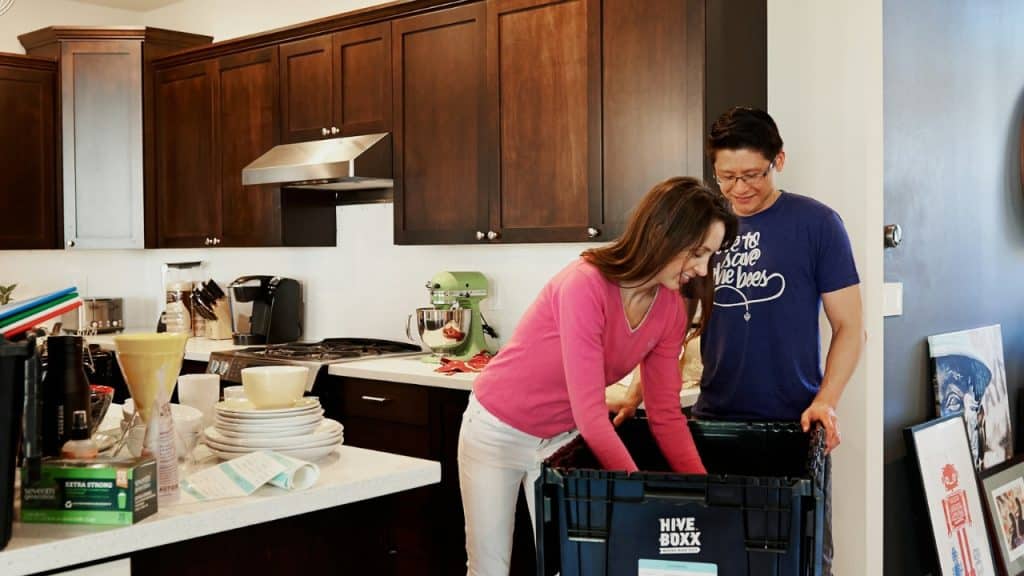
Resentment often grows from uneven workloads, not from laziness. Couples who thrive talk openly about who handles what and why. They adjust roles as circumstances shift. Fair doesn’t always mean equal, but it does mean discussed. Silence here usually leads to frustration later.
Getting help isn’t seen as failure

Long marriages aren’t problem-free, they’re problem-aware. Couples who survive tough seasons are willing to seek support when needed. That might mean counseling, coaching, or structured conversations. Asking for help early prevents small cracks from becoming structural damage. It’s maintenance, not surrender.








Ask Me Anything