
Purpose isn’t something you “find” in a single moment of clarity. It’s something that slowly takes shape through repeated actions, quiet choices, and the way you respond to everyday life. Most people who feel lost aren’t broken—they’re just living without habits that reinforce meaning. The good news is that purpose doesn’t require a dramatic life overhaul. It emerges when your daily behaviors start aligning with what genuinely matters to you. These 18 habits aren’t about productivity hacks or hustle culture. They’re about building a life that feels internally anchored, resilient, and worth waking up for.
Start Your Day With One Intentional Question

Instead of grabbing your phone first thing in the morning, ask yourself one grounding question: “What would make today feel meaningful?” This shifts your focus from reacting to life to participating in it. The answer doesn’t have to be big—it might be listening better, finishing one task, or showing patience. Over time, this habit trains your brain to look for purpose instead of pressure. You stop measuring days by output alone and start measuring them by alignment. That subtle shift compounds more than most people realize.
Do One Small Thing Daily That Benefits Someone Else

Purpose grows when your life intersects with other people’s lives in meaningful ways. This doesn’t require grand gestures—checking in on a friend, offering help, or simply listening without fixing counts. Small acts of service remind you that you matter beyond your own head. They also reduce the feeling of isolation that often fuels purposelessness. When done consistently, these actions quietly reframe your identity from “someone drifting” to “someone contributing.” That identity shift is powerful.
Build Consistency Before You Chase Passion

Many people wait to feel inspired before committing, but purpose usually works in reverse. It’s consistency that reveals meaning, not the other way around. Showing up regularly to something—writing, exercising, learning, volunteering—creates familiarity, skill, and eventually pride. Passion often arrives after progress, not before it. This habit protects you from abandoning things too early because they don’t immediately feel exciting. Purpose favors those who stay long enough to see depth.
Track What Energizes You, Not Just What You Accomplish

At the end of the day, note what gave you energy and what drained it. Over time, patterns emerge that no personality test can replicate. Purpose tends to live where energy and usefulness overlap. Many people feel lost because they’re succeeding in areas that quietly exhaust them. This habit helps you make informed adjustments instead of emotional ones. When your days contain more energizing moments, meaning follows naturally.
Reduce Noise Before You Add Direction

Endless input—news, opinions, social media—drowns out your inner signal. Purpose struggles to surface in a noisy environment. Building intentional quiet into your routine gives your mind space to reflect instead of react. This might look like device-free walks, journaling, or simply sitting without stimulation. The goal isn’t productivity; it’s clarity. When you hear yourself think again, direction becomes less mysterious.
Commit to Learning Something That Has No Immediate Payoff

Purpose often grows in spaces untouched by external validation. Learning for its own sake—history, philosophy, a craft—reconnects you to curiosity. It reminds you that you’re more than your job title or income stream. These pursuits expand how you see the world and your place in it. Over time, they often circle back in unexpected, useful ways. Meaning loves curiosity without pressure.
Keep Promises to Yourself, Especially the Small Ones

Self-trust is a quiet foundation of purpose. When you consistently break promises to yourself, you stop believing your own intentions. Start small—five minutes of movement, one page of reading, one difficult conversation avoided no longer. Each kept promise strengthens your internal credibility. Purpose grows when you believe you can rely on yourself. That belief changes how you show up everywhere else.
Accept Responsibility Without Self-Blame

Taking responsibility doesn’t mean harsh self-criticism; it means acknowledging your role with honesty. Purpose emerges when you see yourself as an active participant rather than a passive victim. This habit helps you focus on what you can influence instead of what you can’t. It also prevents learned helplessness, which quietly erodes meaning. Responsibility paired with compassion is grounding, not heavy.
Build a Routine That Reflects Your Values
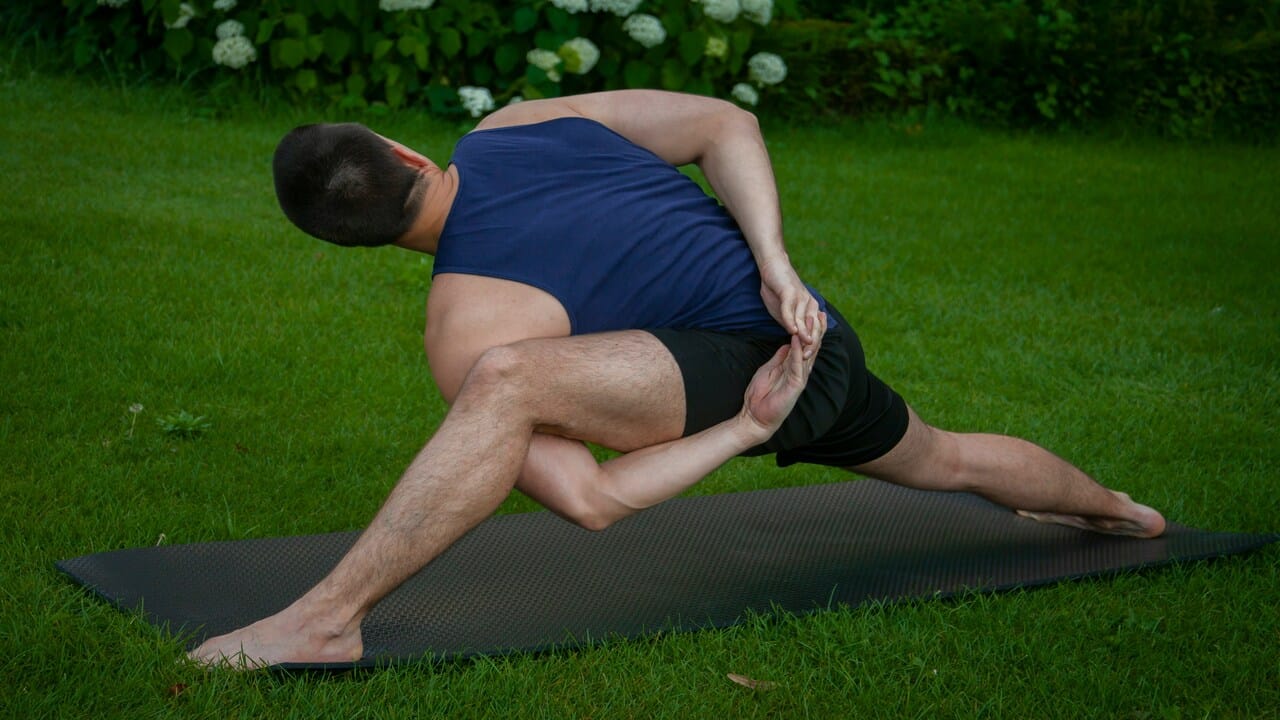
Your calendar reveals what you truly prioritize, not what you claim to value. Purpose strengthens when your daily routine reflects your beliefs in visible ways. If health matters, it shows up in movement. If relationships matter, they show up in time blocked. This alignment reduces internal friction and guilt. Living your values daily is one of the fastest ways to feel purposeful.
Learn to Sit With Discomfort Instead of Escaping It

Purpose often hides behind discomfort—hard conversations, delayed gratification, emotional honesty. Escaping discomfort may feel good short-term, but it keeps you shallow. This habit teaches you that unease isn’t danger; it’s information. When you stop running from it, you gain resilience and clarity. Many people find purpose precisely where they once avoided looking.
Revisit Past Moments That Felt Meaningful

Instead of obsessing over future goals, reflect on moments when you felt alive, useful, or proud. These memories contain clues about your values and strengths. Purpose often repeats themes before it announces itself clearly. Writing these moments down helps you notice patterns you’ve overlooked. Your past already knows more than you think.
Set Fewer Goals, But Commit to Them Fully

Scattered goals create scattered energy. Purpose thrives under focused commitment. Choose fewer priorities and give them real attention instead of half-effort. This reduces decision fatigue and internal conflict. Depth beats breadth when it comes to meaning. When you commit fully, progress becomes emotionally rewarding, not just strategic.
Speak Honestly About What Isn’t Working

Silence keeps you stuck longer than failure does. Purpose grows through truth, even when it’s uncomfortable to admit dissatisfaction. Saying “this isn’t working” opens the door to adjustment. It also prevents years of quiet resentment toward your own life. Honesty creates movement; avoidance creates stagnation.
Invest Time in Relationships That Challenge You to Grow

Not all comfort is healthy. Purpose-supporting relationships challenge your thinking while respecting your humanity. These people ask better questions, not just offer validation. Spending time with them expands your sense of possibility. Growth-oriented relationships act as mirrors, reflecting who you’re becoming. Purpose sharpens in good company.
Create Something That Exists Because You Did

Purpose strengthens when you leave evidence of your effort behind. This doesn’t have to be public or perfect—writing, building, organizing, mentoring all count. Creating reinforces agency and impact. It reminds you that you can shape reality, not just consume it. Meaning deepens when your actions leave a trace.
Practice Gratitude Without Forcing Positivity

Gratitude isn’t about pretending everything is fine. It’s about acknowledging what’s steady, supportive, or improving—even amid difficulty. This habit grounds you in reality instead of comparison. Purpose grows when appreciation balances ambition. You stop chasing meaning as something missing and start recognizing what’s already present.
Let Your Definition of Success Evolve

Clinging to outdated definitions of success can quietly drain purpose. Who you were five years ago may not match who you are now. This habit involves regularly reassessing what “enough” and “fulfilling” actually mean to you. Flexibility here prevents burnout disguised as achievement. Purpose needs room to grow as you do.
Measure Progress by Alignment, Not Applause

External validation is loud but unreliable. Purpose becomes stable when you measure progress by how aligned you feel, not how praised you are. This habit builds internal authority and reduces comparison. When your choices make sense to you, motivation becomes sustainable. Alignment is quieter than applause—but far more durable.








Ask Me Anything