
You do not wake up one day emotionally checked out of your marriage. It happens quietly, one small decision at a time. You tell yourself you are busy, tired, or just going through a phase. But deep down, you feel the distance growing, and you cannot ignore it anymore. If you are in your 30s, 40s, or 50s, this hits differently because you know time matters now. You may already be thinking about dating again or imagining a life that feels lighter.
You Stop Bringing Up Problems Because It Feels Pointless

You notice that when something bothers you, you keep it to yourself. You already assume the conversation will go nowhere. You feel tired just thinking about having to explain your side again. Over time, silence feels easier than trying. You may even tell yourself that peace is better than honesty. But deep down, you know this is not peace. It is emotional withdrawal.
You Feel More Like a Roommate Than a Husband
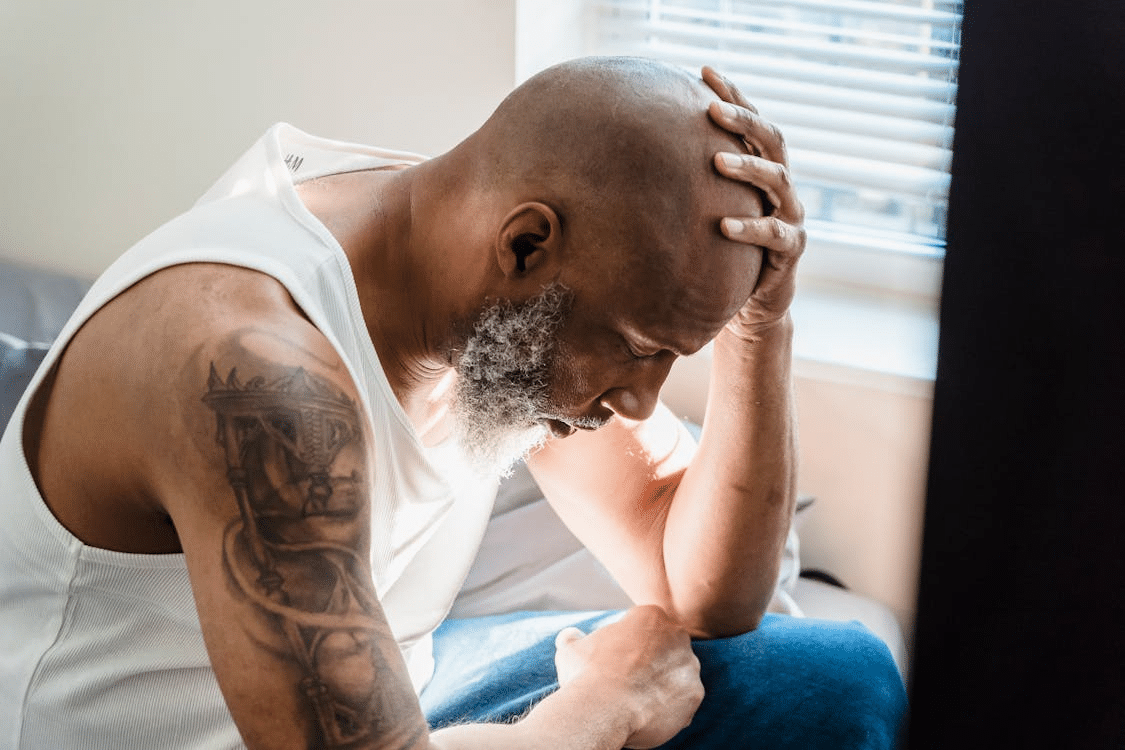
Your days revolve around logistics instead of connection. You talk about schedules, bills, and chores, not dreams or feelings. Physical closeness feels awkward or forced. You may sleep in the same bed but feel emotionally alone. When you picture a partnership, this is not what you imagined. That quiet disappointment keeps growing.
You Fantasize About Life Without Your Marriage

You catch yourself imagining a different version of your life. You think about dating again or having your own space. These thoughts feel relieving instead of scary. You may tell yourself it is just curiosity. But the frequency of these thoughts keeps increasing. That is usually a sign that your emotional bond is fading.
You Avoid Deep Conversations on Purpose
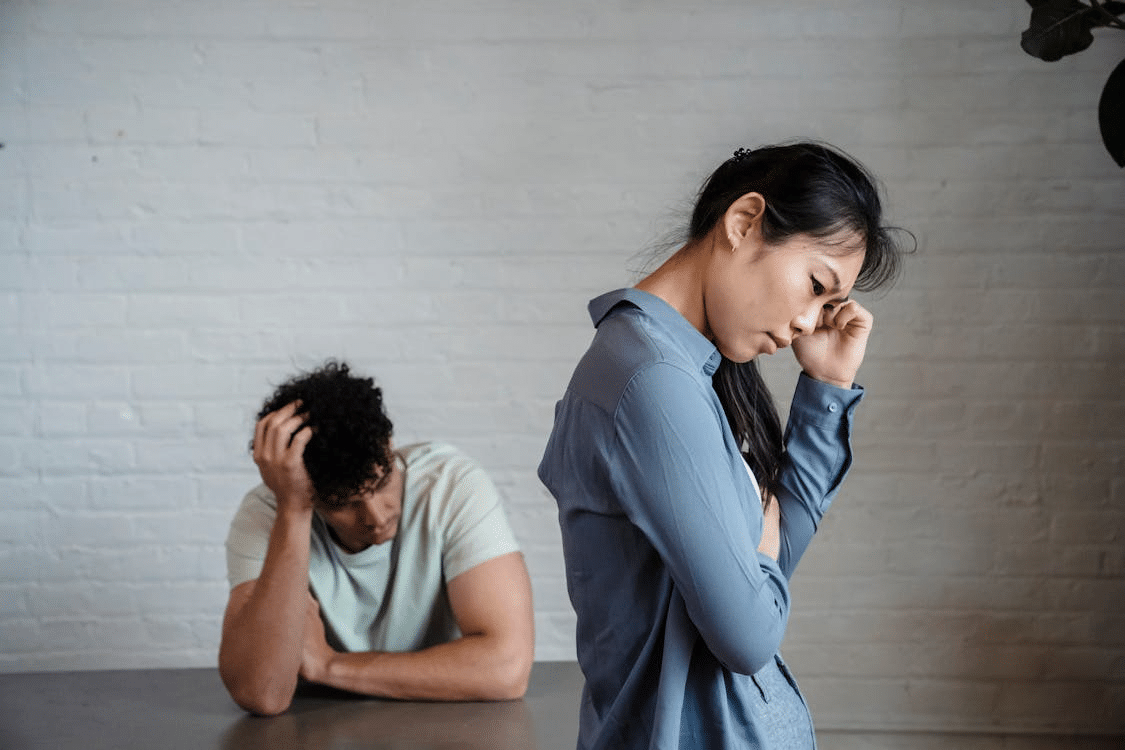
You steer conversations away from anything serious. When emotions come up, you change the subject or shut down. You tell yourself you do not want drama. In reality, you do not want to feel exposed. Emotional depth feels exhausting instead of meaningful. Avoidance becomes your default.
You Feel More Alive Outside the Marriage

You notice your energy shifts when you are not at home. Work, friends, or hobbies feel more exciting than your relationship. You laugh more easily and feel lighter elsewhere. Coming home feels like stepping back into obligation. That contrast is hard to ignore. It often means your emotional investment has moved.
You Stop Sharing Your Inner World
You no longer talk about your fears or goals. You keep your stress and wins to yourself. It feels safer not to open up. You may even forget how to explain what you feel. Emotional distance grows when vulnerability disappears. Silence becomes your shield.
You Feel Relieved When Time Apart Is Extended

When plans change, and you get unexpected alone time, you feel calm. You do not miss your partner the way you used to. Space feels like relief, not loss. You may even look forward to solo routines. That reaction says a lot about where your emotions are. Distance feels like freedom.
You No Longer Argue Because You No Longer Care

Arguments require emotional energy. You stop fighting because it no longer feels worth it. You choose indifference over frustration. You may say yes just to keep things moving. This looks like maturity on the surface. But it often means you have checked out emotionally.
You Feel Unseen and Stop Expecting Change

You feel like your needs are invisible. After years of hoping things would improve, you give up. You stop asking for effort or understanding. Acceptance replaces hope, but it feels heavy. You adjust your expectations downward. That emotional resignation is a warning sign.
You Invest More Emotion in Screens Than in Your Partner

You scroll longer than you talk. Your phone feels more engaging than a real conversation. Online content or chats feel easier than an emotional connection at home. You justify it as stress relief. But the habit keeps growing. Attention follows where emotion already left.
You Feel Emotionally Flat During Important Moments

Big moments no longer move you the same way. Anniversaries, milestones, or shared memories feel muted. You go through the motions without feeling present. You wonder why the spark is gone. Emotional numbness often comes before emotional exit. It is your nervous system protecting itself.
You Stop Making Future Plans Together

You think about your future in solo terms. Goals feel personal instead of shared. Planning together feels unnecessary or uncomfortable. You avoid talking long-term because it feels dishonest. Your vision no longer includes marriage clearly. That shift is rarely accidental.
You Feel More Curious About Dating Than Fixing Things

You notice interest in the dating world creeping in. Not just attraction, but curiosity about connection. You imagine being chosen again. The idea feels exciting instead of wrong. That curiosity usually shows unmet emotional needs. It signals where your attention is drifting.
You Feel Emotionally Safer With Other People

You open up more easily to friends or strangers. Conversations feel lighter and more validating elsewhere. You feel understood without effort. Going home feels emotionally restrictive. Safety is a core emotional need. When it exists outside the marriage, detachment follows.
You Know Deep Down You’re Already Halfway Gone

This is the quiet truth you avoid saying out loud. You feel like you are staying out of habit or responsibility. Your heart is no longer fully present. You may still care, but differently now. That internal knowing keeps surfacing. When you admit it, clarity finally begins.








Ask Me Anything