
You do not wake up one day and suddenly feel distant from the person you are dating. Intimacy fades quietly, usually through small habits you barely notice. In your 30s to 50s, dating feels different because you bring history, scars, and expectations into every connection. You know what you want, but sometimes your habits work against you. This is about spotting the subtle mistakes that slowly create emotional distance. Once you see them clearly, you can fix them. And intimacy can grow again instead of quietly disappearing.
Avoiding Emotional Conversations

You tell yourself you are being chill by not going deep. In reality, avoiding emotional conversations makes you seem closed off. Intimacy grows when you talk about feelings, fears, and expectations. When you dodge these topics, your partner feels like they are dating a wall. You might think actions matter more than words, but words create safety. Emotional avoidance often comes from fear of vulnerability. That fear slowly blocks real connection. Talking openly builds trust faster than you think.
Assuming Physical Intimacy Should Come Naturally

You expect chemistry to carry the relationship. Chemistry fades when effort disappears. Physical intimacy in your 50s requires intention and communication. You cannot rely on past experiences to do the work for you. Your partner wants to feel desired, not assumed. When you stop being curious about what they enjoy, intimacy cools off. Effort is attractive at any age. Showing interest keeps the spark alive.
Letting Routine Replace Curiosity About Your Partner

You think consistency equals stability. Too much routine kills curiosity. When you stop asking questions, you stop learning who they are now. People evolve, especially after major life experiences. Intimacy thrives on being seen and understood. Curiosity signals that you still care. When routine takes over, emotional distance grows quietly. Staying curious keeps the connection fresh.
Carrying Emotional Baggage Without Talking About It

You believe keeping the past buried is mature. Unspoken baggage leaks into your behavior anyway. Old wounds show up as defensiveness, withdrawal, or control. Your partner feels the weight even if they do not know the story. Talking about your past helps them understand your reactions. Vulnerability creates empathy instead of confusion. You are not weak for acknowledging what shaped you. You are stronger for explaining it.
Treating Independence as Emotional Distance

You pride yourself on not needing anyone. Independence is healthy, but emotional distance is not. When you keep everything to yourself, your partner feels unnecessary. Intimacy requires interdependence, not isolation. Letting someone support you deepens trust. You do not lose strength by leaning in. You build a connection by allowing closeness. Emotional openness strengthens bonds.
Failing to Express Appreciation Out Loud

You assume your actions speak for themselves. Words still matter. Appreciation reassures your partner that they are valued. Silence creates doubt, even in stable relationships. Saying thank you and expressing appreciation builds emotional safety. Compliments do not lose power with age. They gain meaning. Consistent appreciation keeps intimacy alive.
Avoiding Conflict Instead of Addressing It Early

You think avoiding arguments keeps the peace. Unresolved issues pile up quietly. Avoidance creates resentment over time. Intimacy suffers when tension stays unspoken. Addressing issues early prevents emotional shutdown. Healthy conflict builds understanding. Silence does more damage than disagreement. Clear communication protects connection.
Expecting Your Partner to Read Your Mind

You believe your needs should be obvious. They are not. Expecting mind-reading leads to disappointment. Clear communication strengthens intimacy. Saying what you want avoids confusion. Your partner cannot meet needs they do not know. Speaking up builds mutual understanding. Clarity creates closeness.
Letting Work and Stress Take Over Your Emotional Availability

You tell yourself you are just busy. Emotional availability requires intention. Stress pulls your attention away from connection. When you are always distracted, intimacy fades. Presence matters more than time spent together. Being mentally available builds emotional closeness. Your partner wants your attention, not excuses. Small moments of presence matter.
Holding Back Affection to Avoid Rejection

You fear being rejected, so you play it safe. Withholding affection creates distance. Intimacy grows through consistent warmth. Affection reassures your partner emotionally. Avoidance sends mixed signals. Taking emotional risks strengthens bonds. Vulnerability invites closeness. Fear shrinks connection when left unchecked.
Comparing Your Relationship to Past Ones

You measure your current partner against old experiences. Comparison blocks appreciation. Every relationship is different. Holding onto the past limits present intimacy. Your partner feels judged by ghosts. Letting go allows a deeper connection. Focus on what exists now. Presence beats comparison every time.
Neglecting Non Sexual Physical Touch
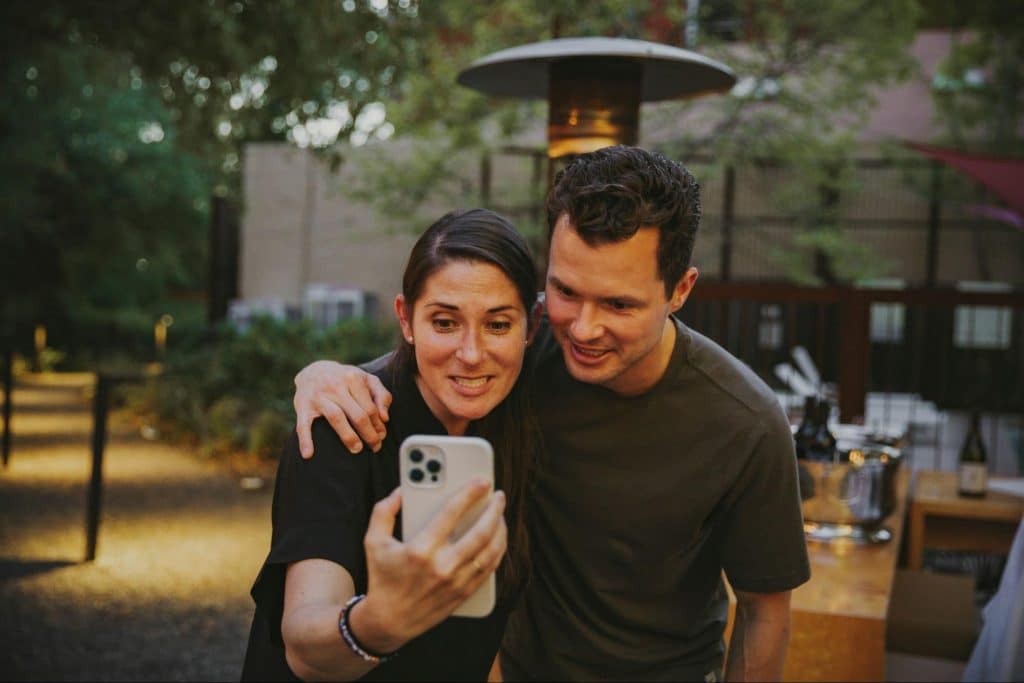
You associate touch only with sex. Non sexual touch builds emotional safety. Simple gestures create closeness. Holding hands and hugs matter. Touch reassures your partner subconsciously. Physical warmth strengthens emotional bonds. Without it, intimacy feels distant. Small touches make a big difference.
Overvaluing Logic and Undervaluing Feelings

You rely on logic to solve everything. Feelings are not problems to fix. They need validation, not solutions. Dismissing emotions shuts intimacy down. Listening builds trust faster than advice. Emotional intelligence deepens connection. Understanding matters more than being right. Empathy keeps intimacy strong.
Avoiding Conversations About Future Expectations

You think talking about the future adds pressure. Avoidance creates uncertainty instead. Intimacy grows with clarity. Shared expectations build emotional safety. Silence leaves room for doubt. Discussing the future shows commitment. You do not need all the answers. You just need honesty.
Assuming Intimacy Declines With Age So You Stop Trying
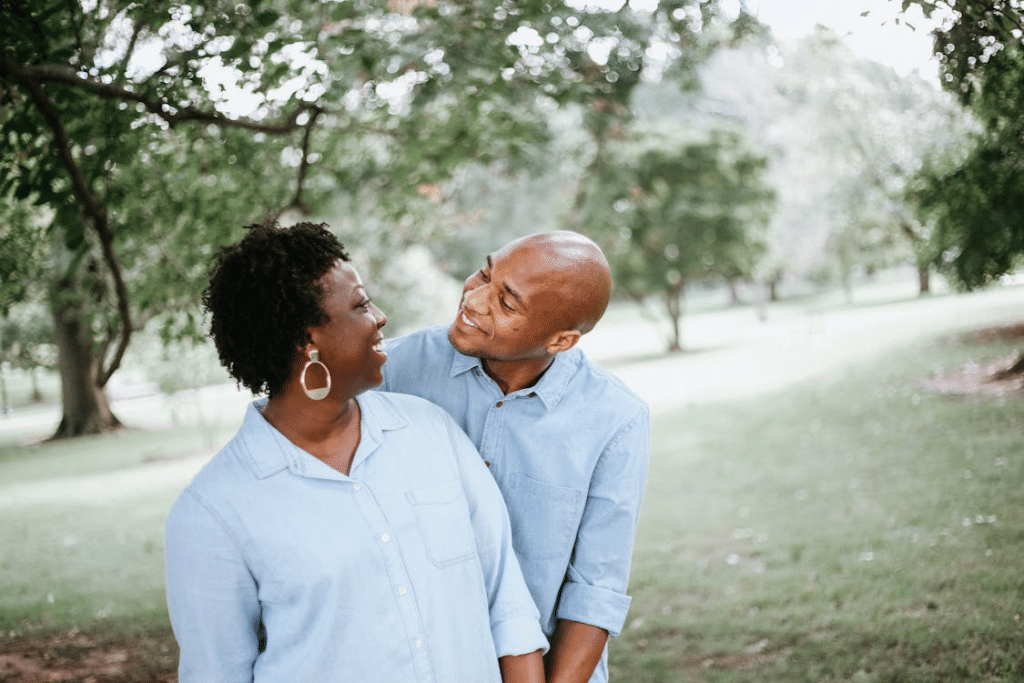
You accept emotional distance as a normal part of aging. That belief becomes a self-fulfilling prophecy. Intimacy evolves, not disappears. Effort keeps the connection alive. Desire thrives when you stay engaged. Growth is possible at any stage. Showing up matters more than age. Intimacy responds to intention.








Ask Me Anything